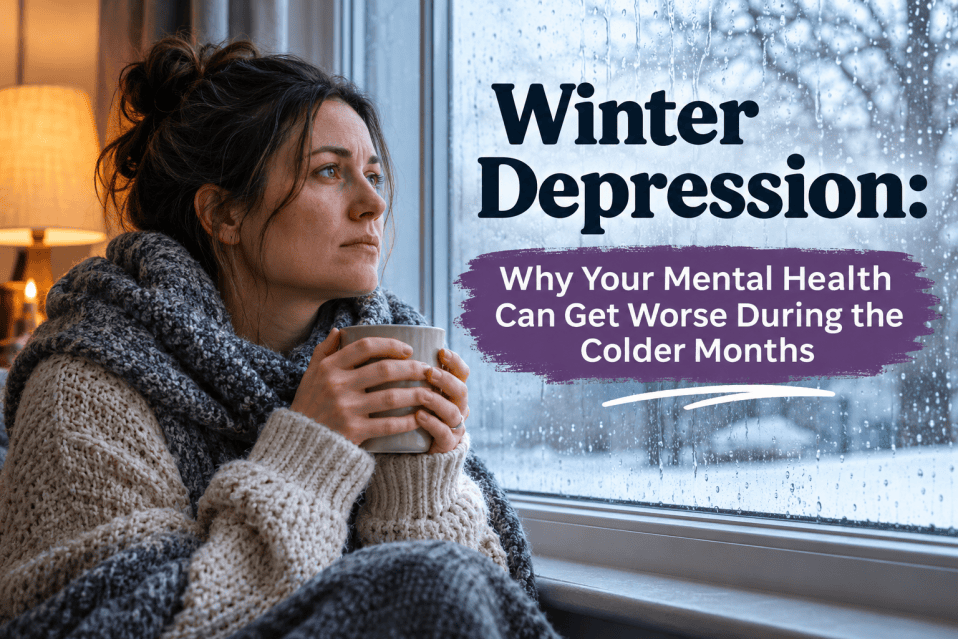
Understanding winter depression, Seasonal Affective Disorder (SAD), and how to protect your mental health during the darker, colder months.
As autumn turns into winter, the temperature drops, daylight hours become shorter, and many people across the UK begin to notice changes in their mental health. Getting out of bed can become harder, motivation can disappear, and feelings of sadness, anxiety and loneliness may become increasingly difficult to manage.
For some people, winter brings excitement, Christmas celebrations and opportunities to spend time with family. For others, it can be one of the most emotionally challenging periods of the year.
Winter depression is a genuine mental health concern that can affect people of all ages and backgrounds. Those already experiencing anxiety, depression, trauma or loneliness may find that their symptoms become more difficult to manage during the colder months.
At Anxious Minds, we understand the challenges people face when their mental health deteriorates. Across the North East of England, many individuals experience additional pressures during winter, including financial difficulties, social isolation, rising household bills and limited opportunities to connect with others.
Understanding why mental health can worsen during winter is an important first step towards recognising the warning signs, finding support and protecting your emotional wellbeing.
What Is Winter Depression?
Winter depression is a term commonly used to describe feelings of low mood, sadness, tiredness and reduced motivation during the autumn and winter months.
For some individuals, these symptoms may be associated with a recognised mental health condition called Seasonal Affective Disorder (SAD).
Seasonal Affective Disorder is a type of depression that follows a seasonal pattern. Symptoms most commonly begin during autumn or winter and improve during spring or summer.
However, not everyone experiencing winter depression has SAD. Some people experience worsening mental health because of other factors, including financial stress, loneliness, reduced physical activity or difficulties in their personal lives.
According to the NHS, symptoms of Seasonal Affective Disorder can include persistent low mood, loss of interest in everyday activities, increased tiredness, sleep difficulties and changes in appetite.
It is important to recognise that winter depression is not simply feeling unhappy because of bad weather. For some people, the symptoms can significantly affect their relationships, employment, physical health and overall quality of life.
Why Does Winter Affect Your Mental Health?
Several factors can contribute to worsening mental health during the winter months. While everyone’s experience is different, changes in daylight, lifestyle, social contact and financial circumstances can all influence emotional wellbeing.
1. Reduced Sunlight Can Affect Your Mood
One of the main reasons mental health can deteriorate during winter is the reduction in natural daylight.
Sunlight plays an important role in regulating the body’s internal clock, known as the circadian rhythm. This helps control sleeping patterns, energy levels and other biological processes.
During winter, shorter days and darker mornings can disrupt these natural rhythms.
Researchers believe that changes involving serotonin, a chemical associated with mood regulation, and melatonin, a hormone involved in sleep, may contribute to Seasonal Affective Disorder. However, the exact causes are not fully understood.
For individuals who leave home before sunrise and return after sunset, opportunities to experience natural daylight can become extremely limited.
This may contribute to tiredness, reduced motivation, difficulty concentrating and changes in mood.
Spending time outdoors during daylight hours, even for a short walk, can be a useful part of maintaining a healthy routine.
2. Winter Can Increase Loneliness and Social Isolation
Loneliness is a major concern during the colder months.
Dark evenings, freezing temperatures, heavy rain and icy conditions can discourage people from leaving their homes.
This can be particularly difficult for older adults, individuals living alone, people with disabilities and those already experiencing mental health problems.
When someone is struggling with depression, even simple activities such as visiting a friend, attending a community group or going shopping can feel overwhelming.
Unfortunately, withdrawing from social contact can sometimes make feelings of depression and anxiety worse.
Across the North East, community mental health organisations play an important role in helping people maintain connections and reduce isolation.
Support groups, friendship groups, community cafés and wellbeing activities can provide opportunities for people to meet others, share experiences and feel part of their community.
Sometimes having somewhere welcoming to go and someone who will listen can make a meaningful difference to someone’s mental health.
3. Financial Pressures Can Increase Anxiety and Depression
Winter is often an expensive time of year.
Higher heating costs, increased electricity bills, Christmas expenses and everyday living costs can place additional pressure on already stretched household budgets.
For individuals and families experiencing financial hardship, winter may bring difficult decisions about heating their homes, purchasing food and paying essential bills.
These pressures can lead to increased anxiety, sleep disturbances, relationship difficulties and feelings of hopelessness.
Financial stress can also make existing mental health conditions more difficult to manage.
At Anxious Minds, we recognise that mental health is closely connected to people’s living circumstances.
Someone worrying about losing their home, feeding their family or paying their bills may find it difficult to focus on improving their emotional wellbeing.
This is why practical assistance, welfare advice, food support and community services are important alongside counselling and other mental health interventions.
Supporting mental health means understanding the wider challenges people face in their everyday lives.
4. Changes in Sleep Can Affect Emotional Wellbeing
Winter can disrupt normal sleeping patterns.
Reduced daylight may affect the body’s sleep-wake cycle, leaving some people feeling unusually tired during the day.
Others may struggle to sleep because of anxiety, financial worries or emotional distress.
Poor sleep can affect concentration, memory, patience and the ability to cope with stressful situations.
Some people experiencing seasonal depression may sleep longer than usual but continue feeling exhausted.
Maintaining a consistent sleep routine can help support emotional wellbeing.
Going to bed and waking up at similar times, reducing screen use before bedtime and spending time in daylight may help regulate sleeping patterns.
If sleep difficulties persist or significantly affect daily life, professional advice may be beneficial.
5. Winter Can Bring Difficult Memories and Emotional Triggers
For some individuals, winter can be associated with painful memories, grief, bereavement or traumatic experiences.
The Christmas period can be particularly challenging for people who have lost loved ones, experienced family breakdown or struggled with homelessness and isolation.
While advertisements and social media often portray Christmas as a time of happiness and togetherness, this is not everyone’s experience.
Some people feel additional pressure to appear happy, attend social events or spend money they cannot afford.
For people living with depression, PTSD or unresolved trauma, certain anniversaries and seasonal reminders can trigger difficult emotions.
It is important to remember that there is no correct way to feel during Christmas or winter.
People experiencing emotional distress deserve understanding, compassion and access to appropriate support.
What Are the Symptoms of Winter Depression?
Recognising the warning signs of winter depression is important because symptoms can develop gradually.
Common symptoms include:
- Persistent feelings of sadness, emptiness or hopelessness.
- Feeling tired or lacking energy throughout the day.
- Sleeping more than usual or struggling to wake up.
- Losing interest in hobbies and activities previously enjoyed.
- Becoming withdrawn from friends and family.
- Feeling increasingly anxious, irritable or overwhelmed.
- Experiencing changes in appetite or eating habits.
- Difficulty concentrating or making decisions.
- Reduced motivation to complete everyday responsibilities.
- Feelings of worthlessness, guilt or low self-esteem.
In more serious cases, depression can also involve thoughts of self-harm or suicide.
If these symptoms persist, become more severe or begin affecting your daily life, seeking professional mental health support is important.
You do not have to wait until your mental health reaches crisis point before asking for help.
How to Improve Your Mental Health During Winter
Although winter can present additional challenges, there are practical steps that may help improve emotional wellbeing and reduce the impact of seasonal depression.
Spend More Time Outdoors
Natural daylight and physical activity can support mental wellbeing.
Try taking a short walk during daylight hours, visiting a local park or spending time outdoors when possible.
Even small amounts of regular activity can help establish a healthier routine.
Stay Connected With Friends and Family
Maintaining social connections is particularly important during winter.
Arrange regular telephone calls, meet friends for coffee, visit family members or participate in community activities.
If you are experiencing loneliness, consider attending a local support group where you can meet others in a welcoming environment.
Maintain a Healthy Daily Routine
Depression can make everyday responsibilities feel overwhelming.
Creating a manageable daily routine can provide structure and help maintain a sense of purpose.
Try to wake up at a consistent time, eat regular meals, maintain personal hygiene and include activities that you enjoy.
Small achievements can be valuable steps towards improved wellbeing.
Keep Physically Active
Physical activity can help reduce symptoms of depression and anxiety.
Walking, swimming, cycling, stretching, yoga and other forms of exercise can all support mental health.
Choose activities appropriate for your physical health and ability.
You do not need to undertake intense exercise to benefit from movement.
Talk About Your Mental Health
One of the most important things you can do when experiencing winter depression is to speak to someone about how you are feeling.
Talking with a trusted friend, family member, counsellor or mental health professional can help you understand your emotions and explore ways to manage them.
Professional counselling can provide a confidential environment to discuss difficult experiences, identify coping strategies and work towards improved wellbeing.
Treatments for Seasonal Affective Disorder may include talking therapies, such as cognitive behavioural therapy, and other approaches recommended by a healthcare professional.
Some people also consider light therapy. However, the evidence for its effectiveness is uncertain, and it is advisable to discuss its suitability with a healthcare professional before starting.
The Importance of Early Mental Health Support During Winter
Many people experiencing depression delay seeking help because they believe their symptoms will eventually disappear.
However, untreated mental health difficulties can sometimes become more severe, affecting relationships, employment and physical wellbeing.
Early intervention can help individuals recognise warning signs, develop coping strategies and access appropriate support before problems escalate.
Across Newcastle, North Tyneside, Northumberland, Gateshead, Sunderland and County Durham, access to affordable mental health services remains important.
For people facing financial hardship, long waiting times or transport difficulties, accessing professional support can be particularly challenging.
Community mental health charities can help address some of these barriers by providing counselling, peer support, wellbeing activities and practical assistance.
Mental health support should be available when people first begin struggling, not only when they reach crisis point.
This approach can help individuals maintain their independence, strengthen relationships and improve their long-term quality of life.
How Anxious Minds Supports Mental Health Across the North East
At Anxious Minds, we believe that everyone deserves access to compassionate mental health support, regardless of their circumstances.
Our charity provides mental health and community services across the North East of England, helping people experiencing depression, anxiety, trauma, loneliness and other emotional difficulties.
Our services include counselling, mental health recovery groups, community wellbeing activities, outdoor therapy, advice and welfare support, and assistance for people experiencing food poverty and isolation.
Through our HOPE Drop-in and Recovery Centre, counselling services and community programmes, we aim to create welcoming environments where individuals can connect with others, access practical support and begin improving their mental wellbeing.
We understand that mental health challenges do not exist in isolation.
Financial problems, housing insecurity, unemployment, bereavement and social isolation can all contribute to emotional distress.
Our approach focuses on understanding the whole person and providing appropriate support that responds to their individual needs.
During winter, having access to a welcoming community service can be particularly valuable for someone struggling with loneliness, depression or anxiety.
Whether someone needs professional counselling, a friendly conversation, a support group or practical advice, we believe that nobody should be left to struggle alone.
When Should You Seek Help for Winter Depression?
Everyone experiences occasional periods of sadness or reduced motivation. However, persistent symptoms should not be ignored.
If you feel depressed most days, have lost interest in activities you once enjoyed or are finding everyday responsibilities increasingly difficult, consider contacting your GP.
Your GP can assess your symptoms and discuss appropriate treatment options.
You may also be able to refer yourself to an NHS Talking Therapies service in England.
If you need urgent mental health support, contact NHS 111 and select the mental health option. You can also contact Samaritans free on 116 123, 24 hours a day.
If you or someone else is in immediate danger, call 999 or attend your nearest A&E department.
Seeking help is a positive step towards protecting your mental health.
Final Thoughts: You Do Not Have to Face Winter Depression Alone
Winter depression can affect people in many different ways.
Shorter days, reduced sunlight, financial difficulties, loneliness and disrupted routines can all contribute to worsening emotional wellbeing.
For some individuals, these changes may lead to Seasonal Affective Disorder. For others, winter may intensify existing symptoms of depression, anxiety or trauma.
Whatever the cause, mental health difficulties deserve to be taken seriously.
Staying connected with others, maintaining healthy routines, spending time outdoors and accessing professional support can all contribute to improved wellbeing.
At Anxious Minds, we remain committed to providing accessible mental health and community support across the North East.
We believe that early intervention, compassion and strong community connections can make a meaningful difference to people’s lives.
If you are struggling with your mental health this winter, remember that support is available, recovery is possible, and you do not have to face these challenges alone.
Visit www.anxiousminds.co.uk to learn more about our mental health services and the support available across the North East of England.