

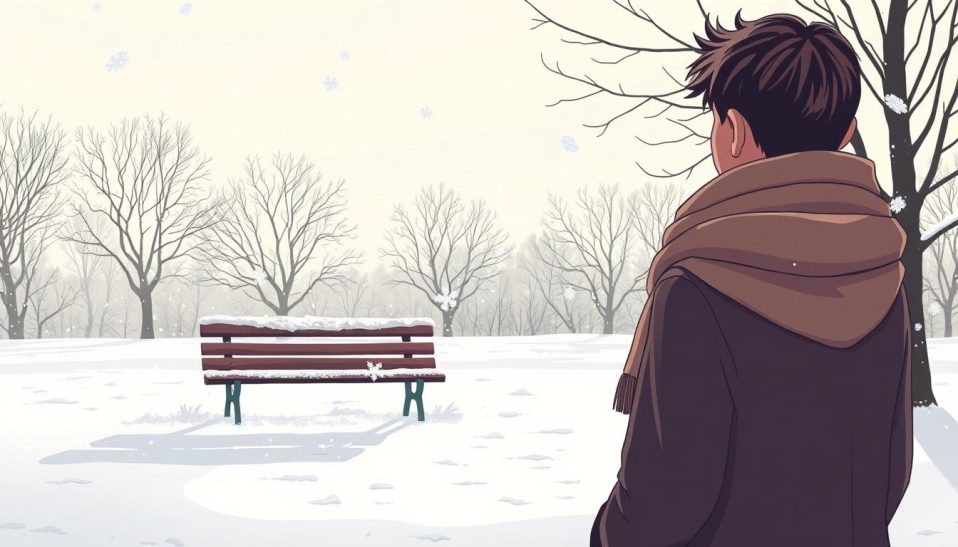
Coping with the loss of a loved one is never easy, but the festive season can make it particularly challenging. The first winter after a significant loss can be a painful reminder of what is missing.
Dealing with grief during this time requires patience, understanding, and support. As we navigate this difficult period, it’s essential to acknowledge the emotional nuances and find ways to honour the memory of our loved ones.
The forthcoming sections will explore practical ways to cope with the loss, manage emotions, and find solace during the winter months.
Key Takeaways
- Coping mechanisms for managing grief during the winter season
- Strategies for honouring the memory of loved ones
- Support systems for those dealing with loss
- Practical advice for navigating the festive season
- Emotional wellbeing tips for the bereaved
The First Winter Without Someone You Love: Understanding Your Grief Journey
The first winter without someone you love is a particularly poignant time, requiring a deeper understanding of one’s grief journey. As the seasons change and winter sets in, the absence of a loved one can become even more pronounced.

The Unique Challenges of Winter Grief
Winter, with its cold weather and shorter days, can exacerbate the pain of loss. The grieving process during this time can be particularly challenging due to the seasonal changes that affect our emotional state and daily routines.
The festive season, which often involves family gatherings and celebrations, can also serve as a poignant reminder of the loss of a loved one. This contrast between the joyous atmosphere and personal sorrow can be difficult to navigate.
How Seasonal Changes May Affect Your Emotions
Seasonal changes can significantly impact our emotions, especially during the grieving process. The lack of sunlight and colder temperatures can lead to feelings of isolation and sadness, compounding the emotional pain of loss.
Understanding these challenges can help individuals better cope with their grief. By acknowledging the unique difficulties of winter grief, one can begin to find ways to honour their loved one’s memory while navigating the complexities of their emotions.
It’s essential to be patient and compassionate with oneself during this time, allowing the expression of emotions and seeking support when needed.
Common Emotional Responses During the Holiday Season
Grieving during the holiday season can evoke a range of emotional responses. As individuals navigate this challenging period, they may experience a mix of feelings, from sadness and nostalgia to anxiety about upcoming celebrations.
Anticipatory Anxiety About Celebrations
The anticipation of holiday celebrations can trigger anxiety in those dealing with grief. This anxiety may stem from the fear of facing family gatherings or social events without their loved one. To manage this anxiety, individuals can prepare by:
- Setting realistic expectations for their participation in celebrations
- Creating new traditions that honour their loved one’s memory
- Planning ahead for potentially difficult conversations or situations
Navigating Unexpected Grief Triggers
The holiday season is filled with potential grief triggers, such as specific decorations, music, or meals that remind individuals of their loved one. To navigate these triggers, it’s essential to be prepared and have coping strategies in place, such as taking a moment to reflect or stepping away when needed.

By acknowledging and understanding these emotional responses, individuals can take steps towards healing after bereavement. It’s a process that requires patience, self-care, and support.
Honouring Your Loved One’s Memory During Winter Festivities
For individuals navigating the complexities of grief during winter, finding meaningful ways to remember their loved ones is crucial. The winter season, filled with various celebrations and traditions, can be a poignant reminder of happy times shared with those who are no longer there. Honouring their memory can be a therapeutic way to cope with the pain of loss while keeping their spirit alive in cherished memories.
Creating Meaningful Memorial Traditions
One way to honour a loved one’s memory is by creating new traditions or adapting existing ones to include them. This could involve lighting a candle in their memory, sharing stories about them during family gatherings, or preparing their favourite dish as part of your holiday meal. Such acts can provide comfort and serve as a meaningful way to keep their memory alive. It’s also an opportunity to involve other family members or friends in remembering the loved one, creating a collective sense of remembrance and support.
Finding Balance Between Remembrance and Moving Forward
While remembering a loved one is important, it’s equally crucial to find a balance between remembrance and moving forward. Grieving is a personal journey, and there’s no one-size-fits-all approach. Allowing yourself to feel the emotions that arise during the holiday season, while also finding ways to celebrate the life of your loved one, can be a powerful step in healing. It’s about creating a space where memories can be cherished without being overwhelmed by grief, enabling you to navigate the festive season with a sense of peace and continuity.
Seeking bereavement support can also be beneficial. Support groups, either online or in-person, can provide a safe space to share your feelings and learn from others who are going through similar experiences. Remember, you’re not alone in your grief, and there are resources available to help you navigate this challenging time.
Practical Self-Care Strategies for Grieving During Winter
Coping with loss during winter involves adopting practical self-care strategies to manage grief effectively. The combination of grieving and the challenges of the winter season can be particularly daunting, making it essential to prioritize one’s wellbeing.
Combating Seasonal Isolation
Winter can often feel isolating, especially when grieving. To combat this, consider:
- Staying connected with friends and family through regular phone calls or video chats
- Joining a support group for those who have experienced a similar loss
- Engaging in online communities or forums focused on grief support
These connections can provide a sense of belonging and help alleviate feelings of loneliness. Reaching out for support is a sign of strength, not weakness.
Physical Self-Care During the Darker Months
Physical self-care is vital during the winter months, especially when grieving. This includes:
- Maintaining a regular exercise routine, even if it’s just short walks outside
- Ensuring adequate sleep and establishing a comforting bedtime routine
- Practicing relaxation techniques such as meditation or deep breathing exercises
Winter Nutrition for Emotional Wellbeing
A balanced diet rich in nutrients can significantly impact emotional wellbeing. Focus on consuming:
- Foods high in omega-3 fatty acids, such as salmon and walnuts, to support mental health
- Complex carbohydrates like whole grains, which can help stabilize mood
- A variety of fruits and vegetables to provide essential vitamins and minerals
By incorporating these self-care strategies into daily life, individuals can better navigate the challenges of grieving during the winter months. It’s about taking small steps towards healing and finding ways to honour one’s loved one while moving forward.
Navigating Christmas, New Year and Other Winter Celebrations
Navigating the winter months, especially Christmas and New Year celebrations, requires special care and consideration for those healing after bereavement. The festive season, often associated with joy and togetherness, can be a particularly difficult time for those grieving the loss of a loved one.
Setting Boundaries with Family and Friends
It’s essential to establish clear boundaries with family and friends during this period. This might mean being honest about your emotional limits and what you feel comfortable participating in. Setting boundaries is not about being isolative, but about preserving your emotional well-being. Communicate your needs clearly, and don’t hesitate to ask for support when you need it.
Permission to Modify or Skip Traditions
Traditions can be a significant part of the holiday season, but they can also serve as painful reminders of what’s been lost. It’s perfectly acceptable to modify or skip certain traditions if they feel too overwhelming or distressing. Creating new, meaningful rituals can also be a therapeutic way to honour your loved one while moving forward.
Handling Well-Meaning but Difficult Comments
During the holiday season, you may encounter well-meaning comments or questions from others that, while intended to be supportive, can be hurtful or insensitive. It’s helpful to prepare for such situations by having a few responses ready, or by having a trusted friend or family member who can offer support.
By being mindful of your needs, setting appropriate boundaries, and being open to adjusting your approach as needed, you can navigate the winter celebrations with greater ease and care for your emotional health.
Supporting Children and Teens Through Winter Grief
Supporting young people through their grief during the winter months is crucial for their emotional well-being. The festive season, with its emphasis on family and togetherness, can be particularly challenging for children and teens who are coping with the loss of a loved one.
Age-Appropriate Conversations About Loss
It’s essential to have open and honest conversations with children about their loss. The way you communicate should be tailored to their age and understanding. For younger children, simple and clear explanations are best, while teenagers may be able to engage in more in-depth discussions about their feelings and memories.
Tips for age-appropriate conversations:
- Use language that the child can understand.
- Be honest and open about what has happened.
- Allow them to express their feelings and concerns.
- Be prepared to have ongoing conversations as they process their grief.
Including Young People in Memorial Activities
Involving children and teens in memorial activities can be a meaningful way to help them feel connected to their loved one and process their grief. This can include creating a memory box, lighting a candle, or participating in a special ritual or ceremony.
Ideas for memorial activities:
- Create a memory book or scrapbook together.
- Plant a tree or a flower in memory of the loved one.
- Make a donation to a charity in their name.
By supporting children and teens through winter grief, we can help them navigate this difficult time and find ways to honour their loved one’s memory.
UK Bereavement Support Services and Resources
The UK offers various resources for individuals dealing with bereavement, providing crucial support during the difficult winter months. Losing someone can be particularly challenging during this time, but knowing where to find help is invaluable.
Professional Grief Counselling Options
Professional grief counselling is a vital resource for those navigating bereavement. Organisations such as Cruse Bereavement Support and At a Loss offer counselling services tailored to individual needs. These services provide a safe space to explore emotions and develop coping strategies.
- One-to-one counselling sessions
- Specialised support for different types of loss
- Guidance for families and children
Community Support Groups for the Winter Season
Community support groups offer a sense of belonging and understanding during the winter season. Many local charities and community centres host support groups where individuals can share their experiences.
Online Resources for 24/7 Support
For those needing support outside traditional hours, online resources are available 24/7. Websites like Cruse Bereavement Support and SupportLine provide online forums, webinars, and chat services.
- Online forums for sharing experiences
- Webinars on coping with grief
- Chat services for immediate support
Conclusion: Finding Light in the Darkness
Navigating the first winter without someone you love can be an incredibly challenging experience. The combination of seasonal changes and the absence of a loved one can intensify feelings of grief. However, by understanding your grief journey, honouring your loved one’s memory, and practising self-care, you can find ways to heal after bereavement.
As you move through this difficult time, remember that it’s okay to feel a range of emotions and to seek support when needed. Reaching out to UK bereavement support services, such as professional grief counselling or community support groups, can provide valuable guidance and comfort.
While the pain of losing someone you love never fully disappears, it is possible to find light in the darkness. By creating meaningful memorial traditions and finding a balance between remembrance and moving forward, you can continue on your journey towards healing. The first winter without someone you love is just one step in your ongoing journey, and with time, support, and care, you can navigate the challenges it brings.
FAQ
How can I cope with the first winter without someone I love?
Coping with the first winter without someone you love can be particularly challenging. It’s essential to allow yourself to grieve and seek support from loved ones, support groups, or professional grief counselling services. Creating meaningful memorial traditions and practising self-care can also help you navigate this difficult time.
What are some common emotional responses during the holiday season when grieving?
During the holiday season, you may experience anticipatory anxiety about celebrations, feelings of sadness, and nostalgia. You may also encounter unexpected grief triggers. It’s crucial to be patient with yourself and acknowledge your emotions, allowing you to heal and find ways to manage your grief.
How can I support children and teens through winter grief?
Supporting children and teens involves having age-appropriate conversations about loss and including them in memorial activities. This can help them process their emotions and feel more connected to their loved one. Be sure to provide a supportive and loving environment, and consider seeking professional help if needed.
What self-care strategies can help me cope with grief during the winter months?
Combating seasonal isolation, prioritising physical self-care, and maintaining a balanced diet can help alleviate the challenges of grieving during winter. Engaging in activities that bring you comfort, such as reading or taking a warm bath, can also provide solace. Additionally, consider seeking support from online resources or local support groups.
How can I navigate Christmas, New Year, and other winter celebrations while grieving?
Setting boundaries with family and friends, being flexible with traditions, and giving yourself permission to modify or skip celebrations can help. It’s also essential to be prepared for well-meaning but difficult comments from others. Seeking support from loved ones or a grief counsellor can provide you with the guidance and comfort you need during this challenging time.
Where can I find bereavement support services in the UK?
The UK offers various bereavement support services, including professional grief counselling options, community support groups, and online resources that provide 24/7 support. Organisations such as Cruse Bereavement Care and the National Bereavement Service can offer guidance and support to help you navigate your grief journey.
How can I honour my loved one’s memory during winter festivities?
Creating meaningful memorial traditions, such as lighting a candle or sharing stories, can be a therapeutic way to honour your loved one’s memory. Finding a balance between remembrance and moving forward is crucial, allowing you to cherish the past while continuing your journey towards healing.


Post a comment