

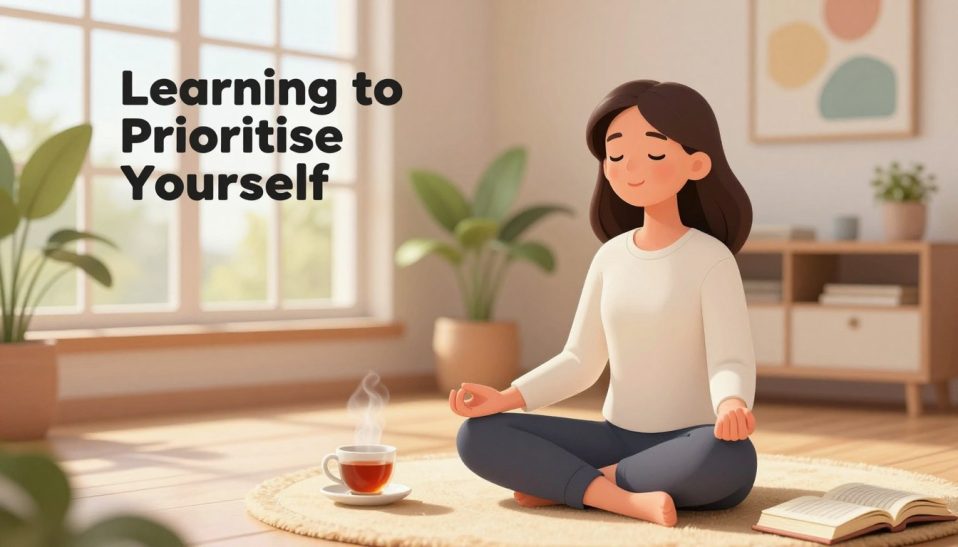
Modern life often feels like a constant race against the clock. In the middle of hectic daily commutes and endless digital notifications, many of us forget breathing. We spend much time helping others while our own needs fall below everything else.
However, learning to prioritise yourself is not a luxury; it is a vital step for a healthier life. Embracing self-care allows for recharging your batteries and facing the world with fresh energy. When you choose focusing on your own well-being, you notice a massive shift in your happiness.
It creates a foundation for personal development and helps you reach your true potential. You might feel a bit guilty at first, but putting your needs first is actually *essential* for those around you. Taking this moment for your own growth shows real strength and wisdom.
A balanced life starts when you realise that your time is just as valuable as everyone else’s. Let’s explore how making small changes today can lead towards a fulfilling and joyful future.
- Value your time: Realising your time is precious is the first step toward a balanced life.
- Self-care is vital: Putting your needs first provides the energy required to support others effectively.
Why Putting Yourself First Matters
Self-prioritisation is the foundation upon which a happy, healthy, and successful life is built. By putting yourself first, you’re not being selfish; you’re ensuring that you’re in the best possible position to tackle life’s challenges and make the most of its opportunities.
When you prioritise your own needs, you’re investing in your overall wellbeing. This isn’t just about pampering yourself; it’s about creating a solid foundation for your physical and mental health.
The Impact on Your Physical and Mental Wellbeing
Prioritising yourself has a direct and positive impact on both your physical and mental wellbeing. By making time for self-care routines, you’re more likely to maintain a healthy lifestyle, manage stress effectively, and avoid burnout.
Engaging in regular physical activity, eating a balanced diet, and getting enough sleep are all crucial aspects of maintaining your physical health. Similarly, practising mindfulness, meditation, or simply taking time to relax can significantly improve your mental wellbeing.
How Self-Prioritisation Improves Your Relationships
When you prioritise yourself, you’re not isolating yourself from others; you’re actually putting yourself in a better position to nurture healthier, more meaningful relationships. By taking care of your own needs, you’re more patient, understanding, and empathetic towards others.
This, in turn, can lead to more fulfilling interactions and deeper connections with family, friends, and colleagues. You’re better equipped to communicate effectively, set healthy boundaries, and maintain a positive, supportive network around you.
The Ripple Effect on Your Productivity and Success
Prioritising yourself can also have a significant impact on your productivity and success. When you’re well-rested, mentally clear, and physically healthy, you’re more focused, motivated, and capable of achieving your goals.
By incorporating self-improvement strategies into your daily life, you’re more likely to stay on track, overcome obstacles, and make progress towards your objectives. This, in turn, can lead to greater confidence, a sense of accomplishment, and a more fulfilling life.
Recognising the Barriers That Hold You Back
Before you can start prioritising yourself, you need to understand the forces that are working against you. Often, these are deeply ingrained habits or beliefs that have been shaped by your experiences and the world around you.
Several common barriers can prevent you from putting yourself first. Understanding these obstacles is crucial to overcoming them and embracing a more self-focused approach to life.
Guilt and Societal Expectations
One of the most significant barriers is the feeling of guilt that arises from societal expectations. Many people are taught from a young age to put others first, and deviating from this norm can evoke feelings of selfishness. However, it’s essential to recognise that prioritising your own needs is not inherently selfish; rather, it’s a necessary step towards maintaining your overall wellbeing.
By acknowledging and challenging these societal expectations, you can begin to let go of unnecessary guilt and focus on what truly matters to you.
The People-Pleasing Trap
Another significant barrier is the tendency to people-please. This can stem from a desire to be liked or to avoid conflict. However, constantly trying to meet others’ needs at the expense of your own can lead to burnout and resentment.
Breaking free from the people-pleasing trap involves setting boundaries and learning to say no without feeling guilty. It’s about understanding that your worth isn’t defined by your ability to please everyone else.
Fear of Being Perceived as Selfish
The fear of being seen as selfish is a powerful deterrent for many. This fear is often rooted in a misunderstanding of what it means to be selfish versus self-preserving.
Reframing Selfishness Versus Self-Preservation
It’s crucial to differentiate between selfishness, which involves harming or disregarding others for personal gain, and self-preservation, which is about taking care of your own needs to maintain your wellbeing. Embracing self-preservation is not about being selfish; it’s about being self-aware and proactive in managing your life.
By reframing your understanding of these concepts and incorporating self-love practices into your daily life, you can work towards a healthier balance between your needs and those of others. Effective stress management also plays a critical role in this process, enabling you to navigate life’s challenges with greater ease and resilience.
Learning to Prioritise Yourself: Practical Strategies
Embracing self-prioritisation requires a shift in mindset and the adoption of practical strategies. It’s about making conscious choices that align with your personal needs and values. By doing so, you not only enhance your well-being but also improve your productivity and relationships.
Starting Small with Daily Self-Care Practices
Beginning your self-prioritisation journey can be as simple as incorporating daily self-care practices into your routine. This could mean dedicating a few minutes each morning to meditation, reading, or a short walk. These small acts can significantly impact your mental and physical health, setting a positive tone for the day.
For instance, starting your day with a mindfulness exercise can help clear your mind and prepare you for the challenges ahead. It’s about creating a habit that nourishes both body and soul.
Identifying Your Core Needs and Values
Understanding your core needs and values is crucial in prioritising yourself. It involves reflecting on what is truly important to you and what you stand for. This self-reflection helps in making decisions that are in alignment with your personal goals and aspirations.
To identify your core needs and values, take time to journal or meditate on your priorities. Ask yourself questions like “What makes me happy?” or “What are my non-negotiables?” This process will help you gain clarity on what you need to prioritise.

Creating a Personal Priority List That Works
Once you have identified your core needs and values, the next step is to create a personal priority list. This involves categorising tasks based on their importance and urgency. A well-crafted priority list is a powerful tool in managing your time effectively and achieving your goals.
Distinguishing Between Urgent and Important
A key aspect of creating an effective priority list is distinguishing between tasks that are urgent and those that are important. Urgent tasks require immediate attention, whereas important tasks are those that have significant consequences or align with your long-term goals.
By categorising tasks into four quadrants – urgent & important, important but not urgent, urgent but not important, and not urgent or important – you can better manage your time and focus on what truly matters.
Setting Boundaries That Protect Your Energy
To truly prioritise yourself, you must establish boundaries that safeguard your time and energy. This involves being clear about your needs and communicating them effectively to others. By doing so, you create a safe space for self-care and personal growth.
Understanding Different Types of Boundaries
Boundaries come in various forms, each serving a unique purpose in protecting your energy. Understanding these different types is crucial to setting effective limits.
Emotional, Physical, and Time Boundaries
Emotional boundaries help you separate your feelings from others’, preventing emotional exhaustion. Physical boundaries relate to your personal space and physical needs, such as needing time alone or being touched. Time boundaries involve managing how you allocate your time to different activities and people.
For instance, setting an emotional boundary might mean not engaging in discussions that drain your energy or cause undue stress. A physical boundary could be as simple as needing a lock on your bedroom door to ensure privacy. Time boundaries might involve scheduling specific times for work, rest, and leisure.
Communicating Your Limits Effectively
Communicating your boundaries clearly is key to having them respected. This involves being direct, specific, and assertive. It’s not about being confrontational but about being clear on your needs.
When communicating your limits, use “I” statements to express your feelings and needs. For example, saying “I feel overwhelmed when you drop by unannounced” is more effective than “You always drop by unannounced and it’s so annoying.” This approach helps to avoid blame and defensiveness.
Learning to Say No Without the Guilt
Saying no is a crucial aspect of setting boundaries. It involves being comfortable with disappointing others or saying no to requests that don’t align with your priorities. Practising saying no without justification or apology is a skill that takes time to develop.
Start by saying no in low-stakes situations and gradually work your way up. Remember, saying no to something that doesn’t serve you means saying yes to yourself and your priorities.
Managing Your Time for Better Work-Life Harmony
Effective time management is the cornerstone of a harmonious work-life balance. By prioritising how you spend your time, you can reduce stress, increase productivity, and enjoy a more fulfilling life.
Conducting a Time Audit: Where Your Hours Really Go
Understanding how you currently spend your time is the first step towards making positive changes. Conducting a time audit involves tracking every activity you engage in over a typical week. This can be done using a diary, spreadsheet, or mobile app. By doing so, you’ll identify time-wasting habits and areas where you can make adjustments to allocate more time to what truly matters.
To conduct a thorough time audit: Log every activity, note the time spent on each task, and categorise them into work, leisure, self-care, and other relevant categories. Analyse your findings to pinpoint opportunities for improvement.
Building Sustainable Self-Care Routines
Self-care is not a luxury; it’s a necessity for maintaining your physical, emotional, and mental wellbeing. Building sustainable self-care routines involves identifying activities that nourish your mind, body, and soul, and incorporating them into your daily or weekly schedule.
Morning and Evening Rituals
Starting and ending your day on a positive note can significantly impact your overall wellbeing. Morning rituals such as meditation, journaling, or a brisk walk can set a positive tone for the day. Similarly, evening rituals like reading, a warm bath, or practising gratitude can help you unwind and prepare for a restful night’s sleep.
Scheduling Non-Negotiable Personal Time
In the midst of busy schedules, it’s easy to neglect personal time. However, scheduling time for yourself is crucial for recharging and maintaining your energy levels. Treat personal time as non-negotiable appointments and commit to them just as you would any other important engagement.
By prioritising your time and focusing on what truly adds value to your life, you can achieve a better balance between your work and personal responsibilities, leading to a more harmonious and fulfilling life.
Prioritising Your Mental Health and Managing Stress
As we navigate the complexities of modern life, it’s essential to focus on our mental wellbeing. In today’s world, where stress and pressure are omnipresent, taking care of our mental health is not just beneficial but necessary.
Recognising the Signs of Burnout Early
Burnout is a state of emotional, mental, and physical exhaustion caused by excessive and prolonged stress. It occurs when an individual feels overwhelmed, emotionally drained, and unable to meet constant demands. Recognising the signs early is crucial to prevent it from escalating further.
Common signs include: chronic fatigue, cynicism towards work or activities, reduced performance, and increased absenteeism. Being aware of these indicators can help you take proactive steps towards managing your stress levels.
Self-Love Practices for Everyday Life
Incorporating self-love practices into your daily routine can significantly enhance your mental wellbeing. These practices help in cultivating a positive self-image and improving your ability to cope with stress.
Simple yet effective self-love practices include: journaling your thoughts and feelings, practicing mindfulness or meditation, and engaging in activities that bring you joy. By making time for these practices, you can foster a more compassionate and loving relationship with yourself.
Knowing When to Seek Support
It’s vital to recognise when you need help managing your mental health. Whether it’s due to overwhelming stress, feelings of burnout, or other mental health concerns, seeking support is a sign of strength, not weakness.
Professional Help and Community Resources
There are various resources available for those seeking support. Professional help can include therapy or counselling, which can provide you with strategies to manage stress and improve your mental health. Additionally, community resources such as support groups can offer a sense of belonging and understanding.
By prioritising your mental health and managing stress effectively, you can lead a more balanced and fulfilling life. It’s about making conscious choices to nurture your wellbeing and seeking help when needed.
Embracing a Life Where You Come First
Learning to prioritise yourself is a journey that transforms your life. By putting your needs first, you not only enhance your physical and mental wellbeing but also improve your relationships and increase productivity. As discussed, recognising the barriers that hold you back and implementing practical strategies for self-prioritisation are crucial steps towards personal development and self-improvement.
By setting boundaries, managing your time effectively, and prioritising your mental health, you create a foundation for a fulfilling life. It’s about making conscious choices that support your overall wellbeing and success. Embracing this mindset allows you to live a more balanced, harmonious life where you can thrive.
As you continue on this path, remember that self-prioritisation is not a one-time achievement but a continuous process. It requires commitment and patience, but the rewards are immeasurable. By making yourself a priority, you set the stage for a more purposeful, joyful life.
FAQ
Why is learning to prioritise yourself often accompanied by feelings of guilt?
Many of us have been conditioned by societal expectations to believe that putting our own needs first is synonymous with being selfish. However, as experts at Mind often highlight, self-care is actually a form of self-preservation. When you focus on your personal development and wellbeing, you are better equipped to support those around you, effectively turning that “guilt” into a sustainable fuel for your relationships and responsibilities.
What are the most effective self-care routines for someone with a busy schedule?
The key to successful self-care routines is consistency over intensity. You might start with “micro-habits,” such as a five-minute morning meditation using the Headspace app or a brief evening walk to decompress. Time management is crucial here; by scheduling these moments into your Google Calendar as non-negotiable appointments, you ensure that your self-improvement journey stays on track without overwhelming your diary.
How does prioritising mental health impact my professional productivity?
There is a significant ripple effect when you focus on prioritising mental health. High-profile leaders like Arianna Huffington, founder of Thrive Global, have long championed the idea that rest and mental clarity are the ultimate “productivity hacks.” By managing your energy rather than just your time, you reduce the risk of burnout and increase your ability to make sharp, effective decisions at work.
What is the best way to start setting boundaries without upsetting others?
A: Setting boundaries is about clear, kind communication rather than confrontation. Start by identifying your limits regarding your time and emotional energy. For instance, you might tell colleagues that you don’t check emails after 6:30 pm to focus on family. Using “I” statements—such as “I feel more productive when I have an hour of deep work without interruptions”—helps others understand your needs without feeling attacked, which is a vital part of personal development.
Can you recommend some simple self-love practices for daily life?
A: Self-love practices don’t always have to be grand gestures. They can be as simple as practicing positive affirmations or using The Five Minute Journal to record things you appreciate about yourself. Fearne Cotton, through her Happy Place platform, often suggests that being kinder to your inner critic is one of the most transformative steps you can take in your self-improvement journey.
How can I improve my stress management when I feel completely overwhelmed?
Effective stress management often requires a combination of physical activity and cognitive reframing. Engaging in regular exercise, perhaps following a programme on the Couch to 5K app, can significantly lower cortisol levels. Additionally, learning to prioritise yourself involves recognising when the pressure is too high and utilising breathing techniques or grounding exercises to regain a sense of control over your environment.
How do I distinguish between urgent tasks and those that are truly important for my wellbeing?
A great tool for this is the Eisenhower Matrix. It helps you categorise tasks into four quadrants: urgent and important, important but not urgent, urgent but not important, and neither. Often, self-care and personal development fall into the “important but not urgent” category, meaning they get pushed aside. By consciously moving these into your daily “important” list, you ensure your long-term health isn’t sacrificed for short-term demands.


