

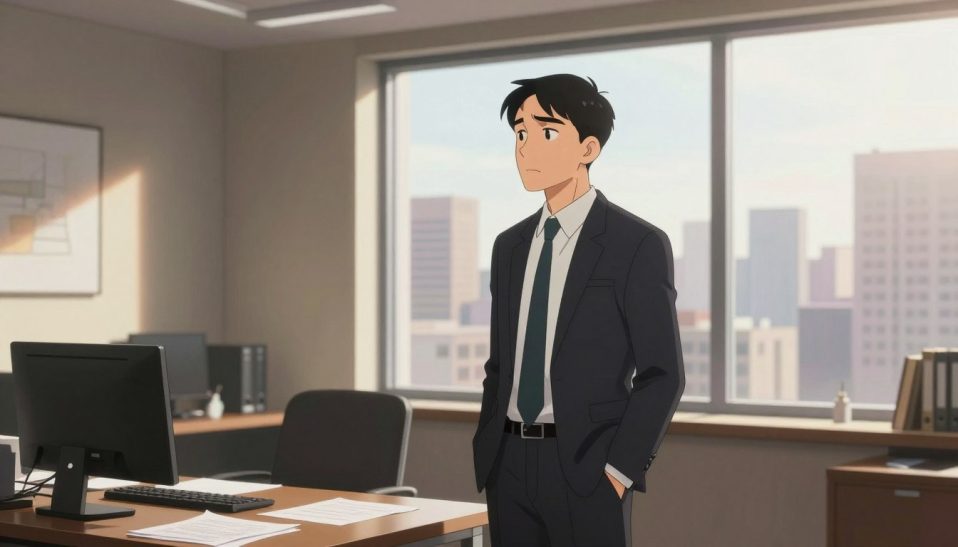
Opening up about your feelings is not always a simple task for everyone. Many men feel that showing a softer side is a risky move. This hesitation typically happens because of masculine role conditioning that begins at a very young age.
Societal habits often teach that being tough is the most important trait to have. This pressure can create significant men’s emotional barriers, making it quite hard to share true thoughts or worries. Breaking these old patterns is vital for better mental health and genuine connections.
Understanding these difficulties allows us to build a much more supportive and kind community. When we acknowledge these internal hurdles, we start to foster deeper connections with those around us. Strength should include the courage to be honest about our internal world.
It is important to realise that people usually learn these traits over time. By dismantling these outdated expectations, we give others the room to breathe and be themselves. This positive shift helps everyone lead a more fulfilling life today.
The Roots of Masculine Conditioning
Understanding the roots of masculine conditioning is essential to grasping why men often find it challenging to be vulnerable. From a young age, boys are socialised to embody certain traits that are traditionally associated with masculinity.
Early Childhood Messages and Gender Socialisation
Early childhood is a critical period where the foundations of masculine identity are laid. Boys are often encouraged to be tough, not to cry, and to suppress emotions. This gender socialisation process influences how men perceive their roles and express themselves emotionally.
The messages boys receive during their formative years can have a lasting impact on their ability to be vulnerable. For instance, being told to “toughen up” or “be a man” can lead to the suppression of emotions, contributing to the men’s fear of weakness.
The “Boys Don’t Cry” Legacy
The adage “boys don’t cry” is a powerful legacy that continues to affect men’s emotional expression. This phrase not only discourages boys from expressing sadness but also implies that showing emotion is unmanly. As a result, many men grow up believing that vulnerability is a sign of weakness.

Media Portrayals and Traditional Role Models
Media portrayals and traditional role models play a significant role in reinforcing societal expectations on men. Men are often depicted in media as strong, stoic figures who do not show emotion. These portrayals can perpetuate the idea that men should adhere to traditional masculine norms.
Traditional role models, such as action heroes or sports figures, often embody these ideals, further solidifying the notion that men should be tough and unemotional. This can limit men’s ability to express vulnerability and can contribute to their emotional suppression.
Societal Expectations That Silence Men
Men are frequently constrained by societal expectations that stifle their emotional expression. These expectations create a complex web of norms and behaviours that discourage men from being vulnerable.
The traditional masculine ideals that men are expected to adhere to are deeply ingrained in our society. These ideals often revolve around the notion that men should be strong, stoic, and unemotional.
The Provider and Protector Burden
One of the primary societal expectations placed on men is the burden of being the provider and protector of their family. This expectation can be overwhelming and stressful, as men feel pressured to be the primary breadwinner and safeguard their loved ones.
This burden can lead to men suppressing their emotions, as they may feel that showing vulnerability will compromise their ability to fulfill these roles.
Workplace Culture and Professional Masculinity
The workplace is another arena where societal expectations can silence men. Traditional masculine norms are often perpetuated in professional settings, where men are expected to be assertive, competitive, and unemotional.
Toxic masculinity can manifest in workplace cultures that value aggression and competitiveness over collaboration and empathy, further discouraging men from expressing their emotions.
Male Peer Dynamics and Social Hierarchies
Male peer dynamics also play a significant role in silencing men. Social hierarchies among men often dictate that those who are more emotionally expressive or vulnerable are seen as weaker.
This can lead to a culture where men feel pressured to conform to traditional masculine norms to avoid being ostracized or ridiculed by their peers.

By understanding these societal expectations and their impact on men’s emotional expression, we can begin to break down the barriers that prevent men from being vulnerable.
Why Men Struggle With Vulnerability: Understanding the Psychological Barriers
Men’s struggles with vulnerability are deeply rooted in psychological barriers that have been shaped by societal expectations and traditional masculinity norms. These barriers are complex and multifaceted, involving a range of emotional, cognitive, and social factors.
The development of these barriers can be traced back to early socialisation processes and continues to evolve through various life experiences. Understanding these psychological hurdles is crucial for developing effective strategies to overcome them.
The Fear of Rejection and Ridicule
One of the significant psychological barriers to vulnerability in men is the fear of rejection and ridicule. This fear stems from the societal expectation that men should be strong and stoic, and that showing vulnerability will lead to being perceived as weak or unmanly.
Men often fear that if they express vulnerability, they will be rejected by their peers or ridiculed for not meeting traditional masculine norms. This fear can be particularly pronounced in environments where traditional masculinity is highly valued.
Shame and the Internalisation of Toxic Masculinity
Another critical barrier is shame, which arises from the internalisation of toxic masculinity. Toxic masculinity refers to the societal expectations that men should be dominant, aggressive, and emotionally stoic. When men fail to meet these expectations, they may experience feelings of shame and inadequacy.
This shame can be deeply ingrained, making it difficult for men to acknowledge and express their vulnerabilities. It can also lead to a range of negative outcomes, including mental health issues and strained relationships.
Equating Vulnerability With Weakness
A significant psychological barrier to vulnerability is the misconception that being vulnerable is equivalent to being weak. This misconception is rooted in traditional masculine norms that valorise strength and stoicism.
In reality, vulnerability requires courage and strength. By redefining what it means to be strong and vulnerable, men can begin to overcome this barrier and develop healthier, more authentic relationships with themselves and others.
Understanding and addressing these psychological barriers is a crucial step towards promoting men’s emotional well-being and fostering a culture that values vulnerability and masculinity in equal measure.
The Mental Health Cost of Emotional Suppression
The inability to express emotions openly can lead to a range of mental health challenges for men, affecting their overall well-being. Emotional suppression is a significant issue that can have far-reaching consequences on men’s mental health.
When men are discouraged from expressing their emotions, it can lead to a build-up of unaddressed feelings, potentially resulting in severe mental health issues. The impact of this suppression is multifaceted, affecting various aspects of a man’s life.
Mental Health Stigma and Help-Seeking Behaviour
The stigma surrounding mental health issues is a significant barrier for men seeking help. Traditional masculine norms often discourage men from showing vulnerability or seeking support for emotional struggles, fearing it may be perceived as weakness.
Mental health stigma can prevent men from openly discussing their feelings or seeking professional help, exacerbating their struggles. It’s crucial to challenge these stigmas and encourage an environment where men feel comfortable discussing their mental health.
Depression, Anxiety, and Silent Suffering
Emotional suppression can lead to increased rates of depression and anxiety among men. When men are unable to express their emotions, they may suffer in silence, leading to a deterioration in their mental health.
The prevalence of depression and anxiety in men is a significant concern, with many cases going undiagnosed due to the reluctance to seek help. It’s essential to promote awareness and encourage men to speak openly about their mental health struggles.
Substance Use as Emotional Avoidance
Some men may turn to substance use as a coping mechanism for their unexpressed emotions. This can lead to a vicious cycle of dependency and further exacerbate mental health issues.
Addressing the root causes of emotional suppression and providing alternative, healthier coping mechanisms is crucial in preventing the resort to substance use. Support systems and professional help can play a vital role in this process.
By understanding the mental health costs associated with emotional suppression, we can work towards creating a more supportive environment for men to express their emotions openly. This involves challenging traditional masculine norms and reducing the stigma around mental health issues.
How Emotional Barriers Damage Relationships
When men struggle with emotional expression, it can create a ripple effect, damaging their relationships with others. Emotional barriers can lead to misunderstandings, conflict, and a sense of disconnection in personal and professional relationships.
Male Vulnerability in Romantic Partnerships
In romantic relationships, male vulnerability is crucial for building trust and intimacy. When men are unable to express their emotions, it can lead to a lack of emotional connection with their partner.
This can result in feelings of isolation and disconnection, even within a relationship. Partners may feel frustrated or confused by the lack of emotional expression, leading to conflict and tension.
Communication Breakdowns and Emotional Distance
Emotional barriers can also lead to communication breakdowns in relationships. When men struggle to express their emotions, they may become withdrawn or defensive, causing their partner to feel unheard or un validated.
This can create a cycle of emotional distance, where both partners feel disconnected and unsupported. By working on emotional expression and vulnerability, men can break this cycle and build stronger, more meaningful relationships.
The Impact on Friendships and Support Networks
The impact of emotional barriers is not limited to romantic relationships; it can also affect friendships and support networks. Men who struggle with emotional expression may find it challenging to form and maintain close friendships.
This can lead to feelings of loneliness and isolation, even when surrounded by others. By cultivating emotional honesty and vulnerability, men can build stronger, more supportive relationships with friends and family.
Practical Strategies for Cultivating Emotional Honesty
The path to emotional honesty involves redefining traditional masculine norms and embracing a more nuanced understanding of strength. This journey requires men to be open to change and willing to challenge societal expectations that have been ingrained since childhood.
By adopting a more emotionally expressive approach to life, men can build stronger, more meaningful relationships and improve their overall well-being. This involves not just recognising the importance of emotional expression but also taking practical steps to cultivate it.
Redefining What Strength Really Means
Traditional notions of masculinity often equate strength with emotional stoicism. However, true strength lies in being able to express emotions healthily and authentically. Men can start by acknowledging that vulnerability is not a weakness but a sign of courage and resilience.
By redefining what it means to be strong, men can begin to break free from the constraints of toxic masculinity, allowing for a more emotionally intelligent and expressive form of masculinity to emerge.
Therapy, Counselling, and Professional Support
Seeking professional help is a significant step towards cultivating emotional honesty. Therapy and counselling provide a safe and supportive environment where men can explore their emotions and develop healthier ways of expressing themselves.
Professional support can help men address underlying issues that may be contributing to their emotional suppression, such as past traumas or deep-seated fears. This support is crucial in helping men navigate their emotional landscapes and develop more emotionally intelligent relationships.
Creating Safe Spaces for Emotional Expression
Creating safe spaces where men feel comfortable expressing their emotions is vital. This can be achieved by fostering an environment of trust and understanding, where men are encouraged to be open and honest without fear of judgment.
Small Steps Towards Greater Vulnerability
Men can start by taking small steps towards greater vulnerability. This might involve sharing their feelings with a trusted friend or family member, or engaging in activities that promote emotional expression, such as writing or art.
By gradually becoming more comfortable with vulnerability, men can develop a more authentic and emotionally expressive form of masculinity, leading to more fulfilling relationships and improved mental health.
Building a Future Where Men Can Be Fully Human
Understanding why men struggle with vulnerability is crucial to breaking down the societal expectations on men that perpetuate emotional suppression. Men’s emotional barriers are deeply rooted in traditional masculine norms that discourage openness and honesty.
By redefining what it means to be strong and creating safe spaces for emotional expression, we can work towards a future where men feel empowered to be fully human. This involves challenging the stigmas surrounding men’s mental health and encouraging help-seeking behaviour.
As we move forward, it’s essential to continue the conversation around men’s emotional well-being and to support initiatives that promote emotional honesty. By doing so, we can help men build stronger, more meaningful relationships and improve their overall mental health.
FAQ
Why do many men struggle with vulnerability in their daily lives?
Many men struggle with vulnerability because of deep-seated masculine role conditioning that begins in early childhood. From a young age, boys are often told that “boys don’t cry,” which creates significant men’s emotional barriers. This conditioning suggests that showing emotion is a sign of instability, leading many to believe that stoicism is the only acceptable way to navigate the world.
What are the primary societal expectations on men that discourage emotional honesty?
The most common societal expectations on men revolve around the traditional provider and protector burden. In many cultures, a man’s value is tied to his ability to remain unshakable under pressure. This often extends into workplace culture, where professional masculinity demands a lack of “soft” emotions, further reinforcing the idea that emotional expression in men is a liability rather than a strength.
How does mental health stigma impact a man’s willingness to seek help?
Mental health stigma remains a significant hurdle. Many men fear that admitting to a struggle with depression or anxiety will result in being labelled as “broken.” Organisations like Mind and Movember work tirelessly to break these perceptions, but the internalisation of toxic masculinity often makes men feel that they must handle their problems in isolation to maintain their dignity.
What role does the fear of weakness play in men’s emotional lives?
A men’s fear of weakness is often the driving force behind emotional suppression. By equating vulnerability and masculinity as opposing forces, men may view any sign of emotional sensitivity as a failure of their gender identity. This fear can lead to silent suffering and, in many cases, the use of substance use as a form of emotional avoidance to numb the pain they feel they cannot express.
Why is male vulnerability in relationships so crucial for long-term success?
Male vulnerability in relationships is the cornerstone of genuine intimacy. Without it, partners often face communication breakdowns and a sense of emotional distance. Experts at The Gottman Institute have highlighted that when men allow themselves to be vulnerable, it builds trust and allows for a deeper, more resilient bond. Being open about fears and desires helps to dismantle the “walls” that otherwise lead to isolation within a partnership.
How can men begin to dismantle these emotional barriers?
Dismantling these barriers involves redefining what strength really means. It starts with small steps, such as using mindfulness tools like Calm or seeking professional support through therapy and counselling. By creating safe spaces for emotional expression, men can learn to navigate their feelings without shame, ultimately realising that true courage is found in honesty rather than silence.
What is the link between toxic masculinity and the struggle with vulnerability?
Toxic masculinity refers to a narrow, repressive description of manhood that prioritises dominance and the devaluation of “feminine” traits, such as empathy or sadness. This mindset creates a paradox where vulnerability and masculinity cannot coexist. Overcoming this involves recognising that these rigid norms are often harmful to a man’s own well-being and his ability to form healthy, supportive friendships and support networks.


