

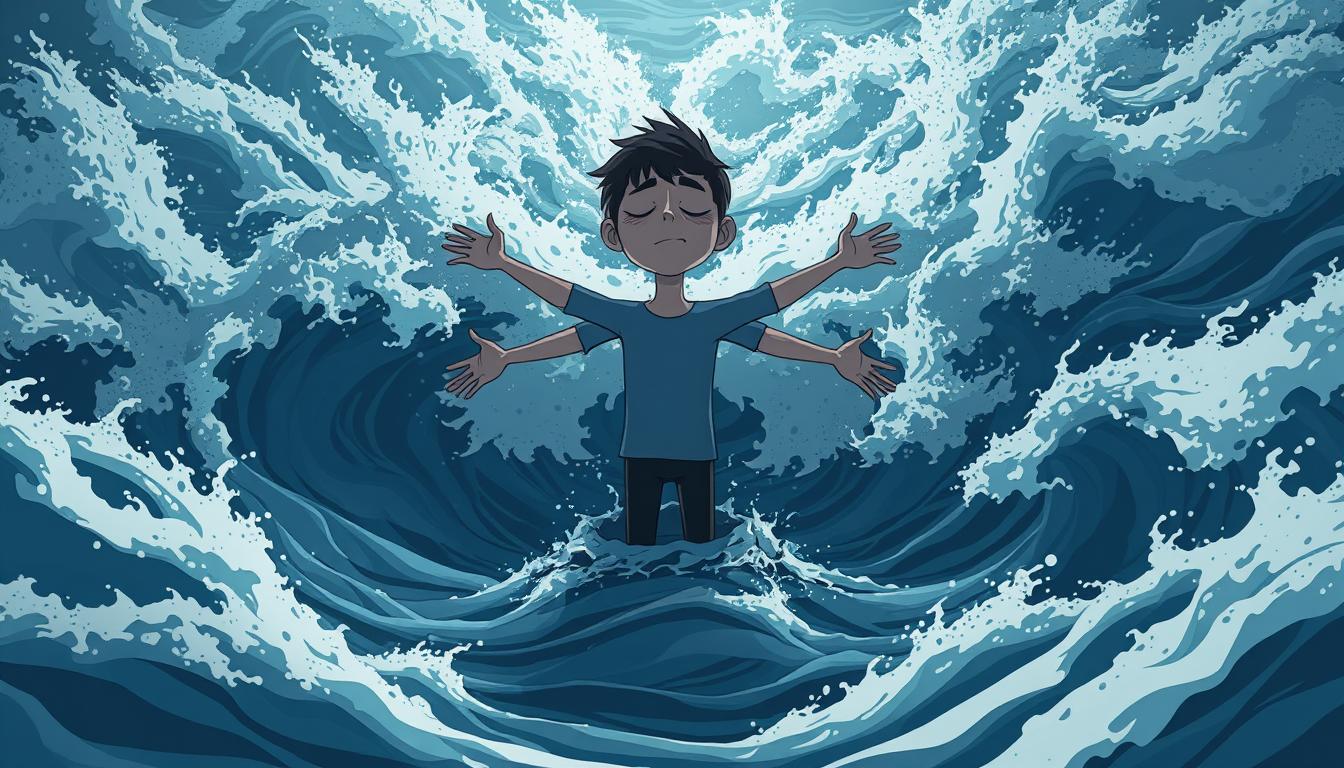
Mental health challenges often mirror the sensation of being pulled under water—relentless, invisible to others, and exhausting to endure. Millions across the UK mask their inner turmoil with cheerful expressions, fearing judgement or misunderstanding. This silent battle between outward composure and internal chaos is more common than many realise.
Experiencing this duality doesn’t reflect weakness. It highlights extraordinary resilience—managing daily responsibilities while grappling with heavy emotions. The pressure to appear “fine” often delays seeking help, creating a cycle that feels impossible to escape.
Recognising these patterns is vital. Simple adjustments, such as acknowledging difficult feelings or confiding in trusted individuals, can create breathing space. Professional support serves as an anchor, offering strategies tailored to navigate overwhelming moments.
Key Takeaways
- Masking distress with positivity is a widespread coping mechanism
- Internal struggles often contradict outward appearances
- Early recognition of emotional overload prevents escalation
- Basic self-care techniques provide immediate relief
- Therapy and counselling offer sustainable recovery pathways
Understanding the Overwhelming Waves of Emotion
Emotional turbulence often operates beneath calm exteriors, creating silent storms that others rarely witness. Many navigate daily tasks while privately managing intense psychological currents. This hidden struggle becomes heavier when societal expectations demand constant positivity.
The Weight of Unspoken Sadness
Unexpressed feelings accumulate like water behind a dam. Small disappointments and unresolved pain add pressure gradually. Over time, this emotional reservoir strains relationships and clouds decision-making.
People often misinterpret quiet perseverance as stability. In reality, it might signal someone prioritises others’ comfort over addressing their problems. Recognising this pattern creates opportunities for gentle self-intervention.
When Emotions Resemble a Torrential Flood
Sudden emotional surges disrupt routines without warning. Simple triggers—a song lyric or misplaced item—can unleash cascading feelings. These moments leave individuals scrambling for stability amidst internal chaos.
During such floods, people frequently describe:
- Time distortion (minutes feeling like hours)
- Physical sensations mimicking danger signals
- Difficulty articulating needs to helpers
Understanding these reactions as natural stress responses reduces shame. Professional guidance helps channel overwhelming emotions into manageable streams.
Exploring the Drowning Metaphor in Depression
Depression’s invisible battles mirror swimming against relentless tides. Imagine fighting to keep your head above water while spectators offer advice from dry land. This analogy captures the isolation of managing internal struggles that others can’t fully see or comprehend.

How the Analogy Connects to Real-Life Struggles
Strong swimmers still drown when currents overpower them. Similarly, coping mechanisms that once worked may fail during depressive episodes. The waters here symbolise compounding stressors – financial pressures, relationship strains, or unresolved trauma that drag a person deeper despite their efforts.
“Just swim harder!” shouts the crowd, unaware of the riptide beneath the surface.
Three critical parallels emerge:
- External solutions often ignore hidden currents (genetic factors, chronic stress)
- Survival depends on recognising when to conserve energy rather than fight
- Rescue requires specialised support, not just encouragement
Many people describe depression as drowning in slow motion – aware of their struggle yet powerless to change the way their body and mind respond. This experience isn’t failure, but evidence of enduring extraordinary circumstances. Professional help acts as a life raft, providing tools to navigate treacherous waters until calmer seas return.
Identifying Hidden Signs of Emotional Drowning
Emotional drowning often occurs in silence, its symptoms mistaken for everyday stress. Unlike cinematic portrayals of distress, real struggles frequently involve maintaining routines while privately battling exhaustion. The fact remains: many people exhibit calm exteriors even as internal pressures mount.
Recognising Subtle Indicators of Overwhelm
Early warning signs rarely announce themselves dramatically. Cancelled social plans might signal withdrawal rather than busyness. Lingering fatigue after basic tasks could indicate emotional depletion. These quiet shifts often go unnoticed by others—and sometimes by the individual themselves.
Three overlooked markers include:
- Automatic responses replacing genuine engagement
- Mental fog complicating simple decisions
- Physical tension persisting despite relaxation attempts
Smiles That Conceal Internal Turbulence
Polite grins often serve as protective shields. The fact that someone appears composed doesn’t negate their need for help. Many people perfect the art of seeming fine, their laughter masking unspoken battles with difficult emotions.
“My brightest smiles often coincided with my darkest days.”
Spotting these contradictions requires looking beyond surface appearances. Changes in communication patterns or unexplained irritability might suggest someone’s struggling to stay afloat. Timely recognition preserves mental health by bridging the gap between silent suffering and compassionate support.
You ever feel like you’re drowning in your own thoughts… but still smiling
Behind every genuine smile lies a spectrum of unspoken emotions, carefully hidden from the world’s gaze. Society frequently confuses polished exteriors with inner peace, creating environments where people learn to prioritise appearances over authenticity. This emotional camouflage becomes second nature—a survival skill honed through years of navigating expectations.
Three common coping mechanisms emerge:
- Scripted responses replacing genuine conversation
- Ritualised self-checking (“Do I look like I’m coping?”)
- Compartmentalising struggles into ‘manageable’ time slots
These strategies often work until they don’t. The energy required to maintain this duality leaves many people emotionally spent by midday. As one individual shares:
“By tea time, I’ve already performed a full day’s worth of emotional labour.”
Recognising this pattern as shared human experience brings liberation. Millions navigate similar waters daily—their laughter echoing through empty spaces while love and fear collide internally. Seeking support today becomes an act of courage, not failure, dismantling the myth that strength means solitary endurance.
Navigating Life’s Surging Emotions with Resilience
Mastering emotional tides requires both courage and practical tools. Waves of distress may crash unpredictably, yet sustainable coping methods can transform how we ride them. This journey starts by viewing overwhelming moments as passing weather patterns rather than permanent climates.
Practical Strategies for Managing Overwhelm
Effective emotional navigation involves creating personal life rafts before storms hit. Grounding techniques act as anchors during turbulent times. Try the 5-4-3 method: name five things you see, four you can touch, three you hear.
Three research-backed approaches help people regain calm:
- Scheduled worry sessions (20 minutes daily to process problems)
- Temperature shifts (splashing cold water resets nervous systems)
- Movement anchors (repetitive actions like knitting or walking)
As one counsellor observes:
“The bravest way forward often involves asking for help while still standing.”
Building resilience isn’t about eliminating storms—it’s learning to dance in the rain. Keep emergency coping cards in your wallet with personalised reminders. These might include a friend’s number or lyrics that lift your spirit. Progress lies in consistent small actions, not sudden transformations.
Drawing Inspiration from Personal Confessions
Personal breakthroughs often begin with a simple yet profound act: voicing hidden truths. Many people discover transformative power in naming their exact emotions rather than vague descriptions. This confession becomes the first step towards clarity, as one individual shares:
“Labelling my grief as ‘abandonment’ instead of ‘sadness’ changed everything. It gave me a starting point to rebuild.”
Real-Life Stories of Overcoming the Current
Specificity dismantles emotional overwhelm. Distinguishing between frustration and despair, or loneliness and shame, allows tailored solutions. Three patterns emerge from recovery narratives:
- Naming emotions reduces their intimidating scale
- Honest confessions invite practical support from others
- Precise language helps reframe challenges as solvable problems
Consider Sarah’s experience: by identifying her primary emotion as ‘betrayal’ rather than generic ‘stress’, she could address workplace bullying directly. Stories like hers reveal a shared truth – accurate emotional vocabulary acts as both compass and lifeline during turbulent times.
These accounts remind us that healing isn’t about erasing pain, but learning to navigate it with newfound precision. Every labelled feeling becomes a stepping stone towards calmer waters.
Reflecting on the Impact of Loss and Grief
Grief reshapes lives in ways that defy tidy explanations. The aftermath of loss often leaves individuals navigating conflicting realities – managing daily responsibilities while carrying invisible emotional weights. When a loved one dies, the world expects motion when stillness feels necessary.
Allowing Yourself the Space to Mourn
Mourning operates on its own schedule, indifferent to calendars or deadlines. One individual shared their experience after their grandmother’s death:
“I powered through work for weeks, believing rest would fix everything. Only when I collapsed did I realise I’d never let myself feel the loss.”
This pattern reveals a harsh truth: society often rewards productivity over healing. Three critical insights emerge:
- Unprocessed grief accumulates like untreated injuries
- Busyness delays rather than prevents emotional reckoning
- Self-compassion requires conscious practice after significant loss
The pain of losing a parent, partner, or cherished dream demands the same care as physical wounds. Small acts – lighting a candle or revisiting old letters – create space for gradual healing. These moments honour both the life lost and the survivor’s need to rebuild.
The Role of Support and Connection in Healing
Meaningful connections act as life preservers during emotional storms. When people feel understood rather than judged, they begin surfacing from isolation. This shift transforms silent struggles into shared journeys where healing becomes possible through mutual trust.
Building a Network of Understanding
Effective support starts with education. Many others misinterpret withdrawal as rejection, not realising it’s a survival tactic. Explain that depression often silences voices but intensifies the need for love.
Key steps for creating supportive relationships:
- Normalise non-verbal check-ins (texts saying “I’m here”)
- Schedule low-pressure activities like shared walks
- Resist problem-solving unless explicitly asked
How to Offer Compassionate Support
Presence outweighs perfection. As one individual notes:
“Depression told me nobody cared. My friend proved it wrong by washing my dishes when I couldn’t.”
Practical gestures make abstract help tangible:
- Drop off prepared meals without expecting conversation
- Initiate movie nights requiring minimal energy
- Regularly reaffirm commitment without conditions
True connection lets people share burdens without fearing disappointment. It reminds them they’re worth showing up for—even on days they struggle to believe it.
Breaking Free from the Cycle of Depression
Escaping depression’s grip demands both courage and strategic action. The fact remains: this condition saps energy needed for basic survival, let alone reaching out. Like a swimmer battling undertows, those affected often lack the breath to voice their need for help.
Steps to Reclaim Your Inner Strength
Recovery begins by viewing progress as a series of intentional choices rather than sudden transformations. Professional guidance serves as scaffolding during this process – a book by leading author Dr. Emily Hartwright notes: “Sustainable healing builds new neural pathways through repeated compassionate actions.”
Three critical shifts break destructive patterns:
- Identifying thought loops that amplify distress
- Replacing self-criticism with measured self-assessment
- Scheduling restorative activities as non-negotiable appointments
The fact that many people relapse stems not from weakness, but underestimating the time required for neural rewiring. Small things matter profoundly – a daily walk or structured sleep routine creates stability.
“My breakthrough came when I stopped fighting the current and learned to float,” shares Mark, 34, after two years of cognitive behavioural therapy.
This journey isn’t about returning to a former self. It’s discovering untapped resilience forged through adversity – a version of you equipped with hard-won wisdom to navigate future storms.
Integrating Spiritual Perspectives to Find Inner Peace
Ancient wisdom offers grounding anchors during life’s tempests. Spiritual traditions across cultures recognise emotional overwhelm as part of the human journey, not a flaw in character. This perspective transforms personal struggles into shared chapters of a larger story.
Finding Solace in Biblical and Inspirational Texts
Psalm 69’s raw confession – “The waters have come up to my neck” – mirrors modern experiences of emotional flooding. These words, penned millennia ago, validate that feeling engulfed by circumstances transcends time and culture. Sacred texts across creation remind people they’re not failing, but participating in an age-old human dance with adversity.
Three spiritual truths emerge:
- Vulnerability before the Divine requires no masks
- Scriptural metaphors like rising waters map onto contemporary mental health challenges
- Shared struggles across generations foster communal resilience
Inspirational writings act as compasses when familiar landmarks disappear. They whisper that others have rebuilt their emotional houses after similar storms. Whether through prayer, meditation or reflective reading, these practices help navigate the world’s chaos while honouring inner truth.
FAQ
How can I tell if someone is hiding emotional pain behind a smile?
Subtle signs include withdrawal from social interactions, changes in sleep patterns, or dismissive phrases like “I’m fine.” Pay attention to inconsistencies between their words and body language, such as forced smiles or avoiding eye contact.
What practical steps help manage overwhelming emotions daily?
Prioritise small, grounding rituals: deep breathing, journaling, or brief walks. Techniques like the “5-4-3-2-1” method—naming things you see, hear, and feel—anchor you in the present, easing the mind’s turbulence.
Can spiritual texts like the Bible aid in coping with grief?
Many find solace in passages emphasising hope and resilience, such as Psalms’ reflections on renewal. These texts often mirror universal struggles, offering metaphors that resonate with personal journeys through pain.
How do I support a loved one who feels emotionally “drowned”?
Listen without judgement and validate their feelings. Phrases like “I’m here, no rush to explain” create safe spaces. Encourage professional help gently, framing it as strength, not weakness.
Why do people mask internal struggles with positivity?
Fear of burdening others or societal stigma around mental health often fuels this. Social media’s “highlight reel” culture amplifies pressure to appear perpetually resilient, even when struggling internally.
How does loss contribute to feelings of emotional drowning?
Grief disrupts life’s rhythm, creating waves of sadness, anger, or numbness. Allowing time to mourn—through rituals or creative outlets—helps process these emotions, gradually restoring equilibrium.


Post a comment