

You may keep up with work, study and relationships while feeling quietly worn down. Many people carry a low mood and low energy that lasts for months or years. This can quietly erode your quality of life even when you seem composed to others.
Signs of High Functioning depression
Symptoms tend to be milder than major episodes but more persistent. You might notice lasting pessimism, low self‑esteem, trouble concentrating, sleep or appetite changes, and less joy in hobbies. Masking and stigma can delay getting help.
Though not a formal diagnosis, high‑functioning depression overlaps with persistent depressive disorder (dysthymia). In the UK, starting with a GP can lead to assessments and options such as CBT, behavioural activation or, in some centres, rTMS.
If this description feels familiar, the next sections will help you recognise subtle mood and behaviour changes, learn how to seek support and explore evidence‑based ways to feel better.
Key Takeaways
- You can appear steady while living with persistent low mood and low energy.
- Symptoms are often mild but chronic and can reduce quality of life.
- The term links to persistent depressive disorder but is not a formal label.
- Masking and stigma may delay seeking help; start with your GP in the UK.
- Evidence‑based options include CBT, behavioural steps and, in some centres, rTMS.
What high functioning depression is — and what it isn’t
It’s possible to look competent and cope outwardly while inwardly feeling depleted by long‑term low mood.
High functioning depression is a descriptive way to explain when you meet daily demands yet carry a steady, low mood. It is not a formal diagnostic label in DSM texts. Clinicians may instead use persistent depressive disorder when symptoms are milder but chronic.
The difference with major depressive disorder is mainly pattern and visibility. Major episodes often cause clear, marked impairment. You may still work and socialise while feeling exhausted inside. That does not make the illness trivial.
How it differs from other depressive conditions
- Persistent depressive disorder usually lasts for years with symptoms most days.
- Major depressive episodes are often more acute and disabling.
- “High‑functioning” highlights hidden burden and compensatory strategies that cost energy and life quality over time.
Using this term can help you describe your experience to a GP or therapist. Noting duration, impact and the ways you cope guides the most appropriate treatment plan.
Everyday clues: signs of high functioning depression
Small shifts in energy and outlook can quietly reshape how you live day to day. You may feel a steady low mood most days, with short bursts of happiness that fade quickly.
Thinking patterns include harsh self‑criticism, imposter feelings and dismissing praise. These thoughts chip away at self‑worth and make it harder to enjoy wins.
Behavioural clues hide in plain sight. You keep up with work and family responsibilities, yet each task feels exhausting and joyless.
You might force yourself to socialise and appear engaged, while inside you feel detached. Some people rely on alcohol or other coping habits to blunt the edge; this often worsens low mood over time.
The “duck on a pond” effect
Calm on the surface, frantic paddling underneath: that image captures how your outward performance can mask inner struggle. Track when low mood is present most of the day, most days, and how long this has lasted.
- Note concrete examples from work and home to share with a GP or therapist.
- Compare public and private parts of your lives to spot hidden dysfunction.
Symptoms you might overlook in daily life
Small, steady shifts in mood and energy often go unnoticed while you keep up with daily tasks. Below are common areas where symptoms quietly appear and practical cues to track.
Mood and motivation
What you may feel: persistent low mood, pessimism, guilt and irritability that colour much of your day.
These emotions can sap motivation so you keep managing duties but enjoy them less.
Cognition and concentration
Difficulty focusing, slowed thinking and indecision make small choices harder and extend work tasks.
Mental fatigue can feel like a short fuse or constant fog that affects your ability to plan.
Sleep and appetite changes
Sleep may shift — too little or too much — and appetite can rise or fall, causing weight changes.
Note when sleep and eating patterns change alongside mood; this helps professionals assess symptoms.
Loss of interest and energy
Anhedonia shows as less pleasure in activities and fewer social invites accepted, even though you still turn up.
Low energy turns routine chores into uphill tasks despite preserved functioning.
| Area | Typical examples | What to log | When to seek help |
|---|---|---|---|
| Mood & motivation | Persistent sadness, guilt, irritability | Time of day, triggers, duration | If it lasts weeks and affects quality of life |
| Cognition | Indecision, poor concentration | Tasks that take longer, mistakes | When work or safety is affected |
| Sleep & appetite | Oversleeping or insomnia; overeating or loss of appetite | Hours slept, meals skipped, weight change | Rapid weight change or persistent sleep loss |
| Interest & energy | Loss of hobbies, low stamina | Activities avoided, energy dips during the day | If you can’t maintain basic self-care |
Why it happens: possible causes and risk factors
A mix of inherited vulnerability and repeated stress frequently underlies persistent low mood in many people. Several interacting factors help explain why symptoms can start and why they can linger.
Biology and brain chemicals
Biology matters. Imbalances in neurotransmitters and the way the brain processes emotion can make low mood more likely.
Some people have inherited traits that raise their risk. This does not mean the condition is your fault.
Stress, trauma and life events
Stressful jobs, bereavement or past trauma can trigger symptoms that slowly build. Repeated life strain wears down coping and resilience.
Genetics, medical conditions and substance use
Family history, chronic health conditions and certain medications can affect mood. Alcohol and drugs may mask symptoms at first and then make them worse.
Masking, support networks and hidden dysfunction
You may keep routines and social roles that hide how you feel. A strong support network can help, but it can also make the problem less visible to others.
“Multiple pathways can produce similar symptoms, so a thorough, holistic assessment is key.”
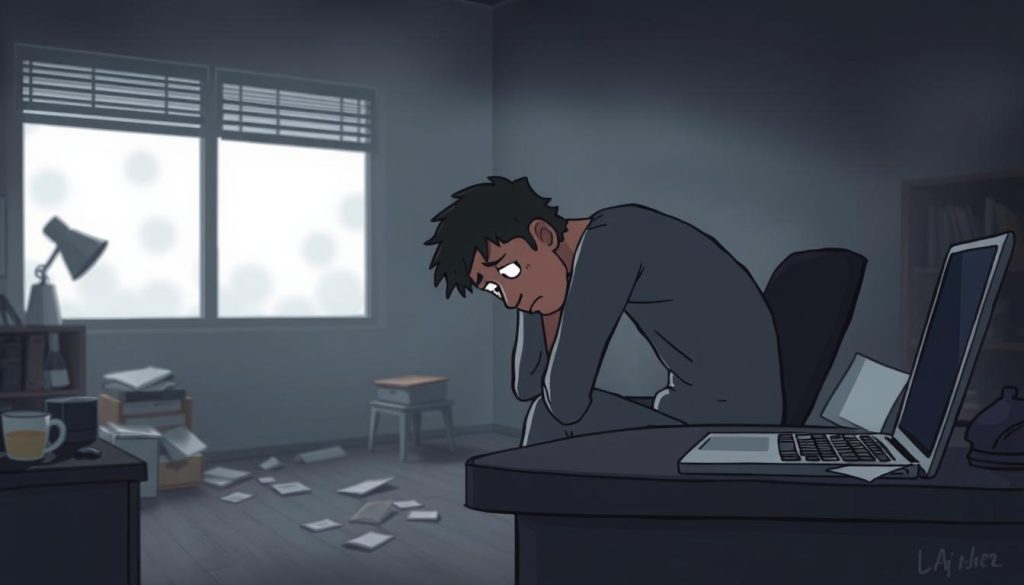
| Factor | How it affects mood | What to note |
|---|---|---|
| Biology & chemicals | Alters emotion regulation and stress response | Family history, sleep, concentration changes |
| Life events | Triggers or worsens low mood over time | Recent losses, ongoing stressors, trauma |
| Health conditions | Chronic illness or medication side effects | New symptoms, weight/sleep shifts, treatment list |
| Substance use & masking | Temporary relief that often deepens symptoms | Patterns of use, coping strategies, role changes |
- Map triggers and protective factors like sleep, routine and support.
- Remember: similar symptoms can come from different pathways; assessment should be broad.
Impact on functioning and quality of life
Doing what’s expected at work and home can quietly drain the resources you need to feel well. Outward performance may stay steady while the internal cost mounts. Over weeks and months, this extra effort reduces your time for rest and recovery.
The energy cost of “keeping up” with responsibilities
Every routine task can take far more energy than it used to. Household chores, meetings and parenting demand disproportionate effort. That steady overexertion compromises sleep and slows recovery, increasing the risk of relapse.
How appearing competent can delay recognition and support
Because you meet bills and deadlines, friends and managers often assume you are fine. That means fewer prompts to seek care and longer time before you get help.
- You may use perfectionism and masking to protect your role but harm your quality life.
- Relationships, leisure and parenting can feel diminished as pleasure and energy fall.
- Setting boundaries, pacing tasks and telling a manager or loved one specific needs can protect your ability to function sustainably.
“Acknowledging limits is not a failure; it’s a practical step to preserve your life and work.”
Getting help in the UK: assessment, diagnosis and when to seek support
If your low mood and reduced energy are present most days for weeks and they affect your work, home or relationships, it’s time to seek help.
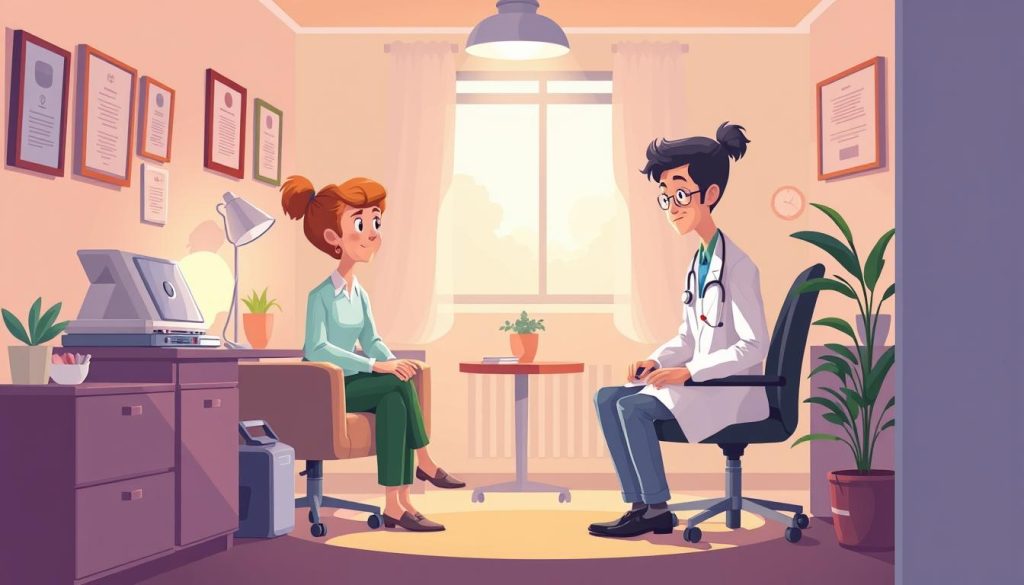
Talking to your GP or a qualified mental health professional
Start with your GP — they are the usual first contact in NHS healthcare. Bring simple examples from work and home that show hidden struggle, such as collapsing on weekends or avoiding social invites.
Prepare a brief diary of mood, sleep, appetite and daily energy to share. You can ask for a referral to psychological therapies (IAPT) or secondary care if needed. If risk or safety becomes a concern, the GP will follow urgent pathways.
Screening tools, clinical terminology and persistent depressive disorder
Clinicians often use short screening tools alongside a clinical interview to assess duration, severity and functioning across life areas. These help shape a clear diagnosis and practical plan.
Persistent depressive disorder (dysthymia) is a term you may hear when low mood is chronic but less severe than a major episode. Other depressive disorder subtypes might also be considered depending on symptoms and duration.
- You should book an appointment when symptoms are present most days and reduce your quality of life, even if you keep performing.
- Assessment involves screening questions plus a conversation about daily functioning, self‑view and sleep/eating patterns.
- Treatment options include talking therapies (CBT, behavioural activation), medication, and in some centres rTMS alongside therapy.
“You do not have to reach crisis before asking for support; early help improves long‑term outcomes.”
Practical tips: involve a trusted person for appointment support, mention hidden dysfunction clearly, and ask your employer about reasonable adjustments such as flexible hours or phased return.
Evidence‑based ways to feel better
Practical, proven approaches help you regain momentum without needing dramatic change. A mix of daily routines, talking therapy and medical options gives the strongest results for persistent low mood.
Self‑care foundations
Move, sleep and eat regularly. Aim for a daily brisk 10‑minute walk, consistent sleep‑wake times and balanced meals to stabilise energy and mood.
Use simple cues—an alarm for bedtime, a set lunch slot—to make helpful activities automatic when motivation is low.
Therapies that help
CBT teaches you to spot pessimistic thoughts and replace them with balanced appraisals.
Behavioural activation focuses on scheduling small, rewarding activities to rebuild pleasure and reduce avoidance.
Medication and innovative options
When symptoms persist despite therapy and self-care, medication can be discussed with your GP or psychiatrist. It often works best alongside therapy.
In some UK centres, rTMS is offered as an adjunct for people who have not improved with standard treatments.
Building your support
Tell one trusted person about practical adjustments that help you cope. Peer groups and workplace changes can reduce isolation and protect recovery.
“Small, consistent steps and an informed treatment plan make sustained improvement more likely.”
| Area | What to do | Why it helps |
|---|---|---|
| Daily routine | Set sleep, meals, short exercise | Stabilises energy and lowers mood swings |
| Therapy | CBT or behavioural activation | Changes thinking and increases rewarding activities |
| Medical options | Antidepressant review; rTMS assessment | Targets biological contributors when needed |
| Social support | Trusted ally, peer group, workplace adjustments | Reduces isolation and sustains behaviour change |
Conclusion
Persistent low mood can quietly shape how you spend each day, even when tasks still get done. You have seen how this condition can last for years and affect your ability to enjoy life and work.
Your feelings matter, and long‑standing low mood and low energy are treatable. Start by noting patterns over time and speaking to your GP about a possible diagnosis and care options available in UK healthcare.
Evidence‑based ways to improve include CBT, behavioural activation, medication and rTMS in select centres. Involve a trusted person and ask about workplace adjustments to protect your quality life and functioning.
Take a small step today: record a few days of mood and sleep, then book an appointment. Early support can make a real difference for people living with depression.


Post a comment