

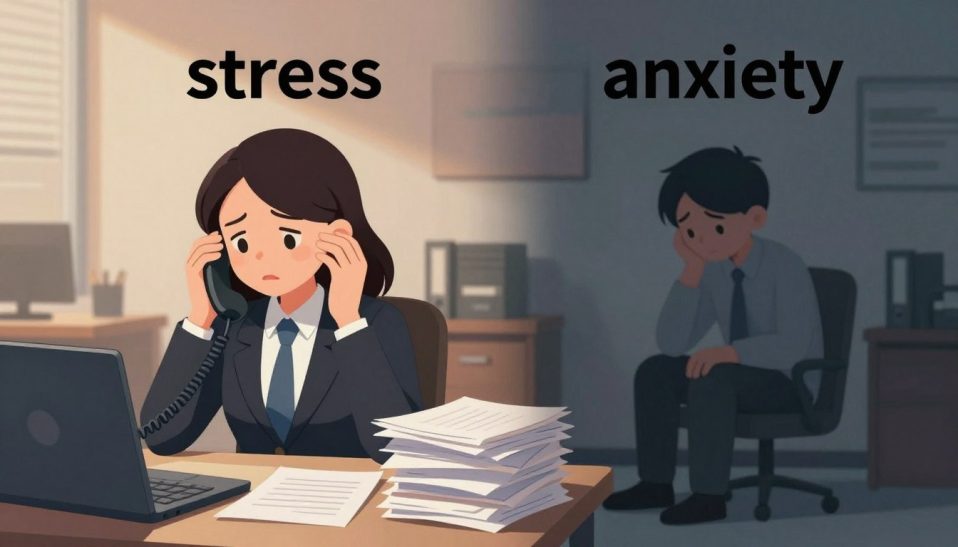
Modern life often feels quite fast, leaving many people feeling frazzled. Feeling overwhelmed or tired is common during a busy week.
Distinguishing certain mental states is vital for long-term wellbeing. Identifying the difference between stress and anxiety ensures you find proper support.
One usually stems from external pressure whereas another lingers long after those issues resolve themselves. Both impact your daily routine plus happiness, so recognising unique signals helps with emotional clarity.
Observe your habits to stay calm, particularly if your heart races during meetings or sleep feels elusive. Such signs deserve attention since expert insights help you flourish.
Gaining understanding of such triggers remains a priority because small changes lead toward better results. Stay tuned for helpful advice regarding health plus vitality.
Our simple guide highlights key facts because every person deserves a calm mind. This guide provides simple tips so you will discover ways to stay focused.
Let us explore these common experiences together as each step counts toward a brighter future.
What Are Stress and Anxiety?
To grasp the differences between stress and anxiety, it’s essential to first understand what each term means. Both are significant concerns within the realm of mental health, often interconnected but distinct in their characteristics and impacts.
Defining Stress
Stress is the body’s reaction to a challenge or demand. It can be triggered by a wide range of factors, including work-related pressures, financial difficulties, or significant life changes. When we experience stress, our body’s “fight or flight” response is activated, releasing hormones like cortisol and adrenaline. These hormones prepare our body to either confront the situation or flee from it.
Chronic stress, if not managed properly, can have severe implications on both physical and mental health, including cardiovascular issues, a weakened immune system, and mood disorders.

Defining Anxiety
Anxiety, on the other hand, is a feeling of worry, nervousness, or fear that is persistent and overwhelming. It is a normal human emotion that everyone experiences at some point in their lives. However, when anxiety becomes excessive and interferes with daily life, it may be classified as an anxiety disorder. Anxiety disorders can manifest in various forms, including generalised anxiety disorder, panic disorder, and social anxiety disorder.
Unlike stress, which typically has a clear cause, anxiety can sometimes occur without an obvious trigger. It can also be more long-term, persisting even after the initial cause of stress has been resolved.
The Difference Between Stress and Anxiety
Stress and anxiety, though related, have distinct characteristics that set them apart. Understanding these differences is vital for identifying whether one is experiencing stress, anxiety, or both, and for adopting the appropriate management strategies.
Triggers and Causes
One of the primary differences between stress and anxiety lies in their triggers. Stress is typically triggered by a specific stimulus or situation, such as an upcoming deadline, a financial issue, or a significant life change. In contrast, anxiety can be more pervasive and not necessarily tied to a specific cause or event; it can be a generalised feeling of unease or fear.
For instance, a person might feel stressed about an impending examination, but once the exam is over, the stress usually subsides. On the other hand, someone experiencing anxiety might not be able to pinpoint a specific reason for their feelings of worry or fear.
Duration and Timeline
Another significant difference between stress and anxiety is their duration. Stress is usually short-term and resolves once the triggering event or situation has passed. Anxiety, however, can be long-term and persist even after the initial cause has been removed.
For example, stress related to a job interview typically ceases once the interview is over and the individual has moved on. Anxiety, however, can linger, manifesting as persistent worry about future interviews or related situations.
How Each Affects Your Body and Mind
Both stress and anxiety can have profound effects on the body and mind, but they manifest differently. Stress can lead to physical symptoms such as headaches, muscle tension, and sleep disturbances. Anxiety, while also causing physical symptoms like a rapid heartbeat and trembling, can additionally lead to psychological effects such as persistent fear, worry, and in severe cases, panic attacks.
Moreover, chronic stress and anxiety can have long-term implications for mental health, potentially contributing to conditions like depression and anxiety disorders if not managed properly.
Recognising the Symptoms
Recognising the signs of stress and anxiety can be the first step towards regaining control over your wellbeing. Both stress and anxiety can manifest in various ways, making it essential to understand their distinct symptoms to manage them effectively.
Symptoms of Stress
Stress can affect individuals in multiple ways, leading to a range of physical, emotional, and behavioural symptoms.
Physical Signs of Stress
Physical symptoms of stress include headaches, fatigue, and muscle tension. These symptoms occur because stress triggers the body’s “fight or flight” response, releasing hormones like adrenaline and cortisol.
Other physical signs can include gastrointestinal issues, such as irritable bowel syndrome (IBS), and a weakened immune system, making you more susceptible to illnesses.
Emotional and Behavioural Signs of Stress
Emotionally, stress can lead to feelings of being overwhelmed, irritability, and mood swings. Behaviourally, it can manifest as changes in appetite, withdrawal from social activities, and difficulty sleeping.
Symptoms of Anxiety
Anxiety also presents with a variety of symptoms that can be physical, emotional, or mental.
Physical Signs of Anxiety
Physical symptoms of anxiety include rapid heartbeat, trembling or shaking, and sweating. These symptoms are also linked to the body’s “fight or flight” response, similar to stress.
Additionally, anxiety can cause tension headaches and numbness or tingling sensations in various parts of the body.
Emotional and Mental Signs of Anxiety
Emotionally and mentally, anxiety can cause persistent worry, fear, and panic. It can lead to difficulty concentrating and making decisions, significantly impacting daily life.
When Symptoms Overlap
It’s not uncommon for the symptoms of stress and anxiety to overlap, making it challenging to distinguish between the two. For instance, both can cause sleep disturbances and concentration difficulties.
Understanding the context and triggers of your symptoms can help clarify whether you are experiencing stress, anxiety, or a combination of both.
Managing Stress and Anxiety Effectively
Effective management of stress and anxiety is key to improving overall wellbeing. By understanding and implementing various coping strategies, individuals can better navigate life’s challenges.
Coping with Stress
Stress is an inevitable part of life, but there are numerous techniques to manage it effectively. Understanding the difference between immediate relief and long-term management is crucial.
Immediate Stress Relief Techniques
Immediate stress relief techniques are vital for managing acute stress. Techniques such as deep breathing exercises, progressive muscle relaxation, and taking short breaks can provide instant relief.
Engaging in physical activity, such as a brisk walk, can also help reduce stress levels quickly. These techniques help calm the mind and body, making it easier to tackle stressful situations.
Long-Term Stress Management Strategies
For long-term stress management, strategies such as time management, setting realistic goals, and maintaining a healthy lifestyle are essential. Regular exercise, a balanced diet, and adequate sleep play a significant role in managing stress over time.
Additionally, practices like mindfulness and meditation can help individuals develop resilience against stress, improving their overall mental health.
Coping with Anxiety
Anxiety can be debilitating, but there are effective ways to cope with it. Understanding the techniques for managing anxiety can significantly improve one’s quality of life.
Grounding Techniques for Anxiety
Grounding techniques are helpful for managing anxiety by bringing the focus back to the present moment. Techniques such as 5-4-3-2-1 exercise, where one identifies five things they can see, four things they can touch, three things they can hear, two things they can smell, and one thing they can taste, can be particularly effective.
Other grounding techniques include focusing on breath and engaging in activities that require full attention, such as puzzles or creative pursuits.
Building Resilience Against Anxiety
Building resilience is crucial for long-term management of anxiety. This involves developing a support network, practicing self-care, and learning to challenge negative thought patterns.
Engaging in regular physical activity and maintaining a healthy lifestyle can also contribute to building resilience against anxiety.
When to Seek Professional Help
While self-help techniques are beneficial, there are times when professional help is necessary. If stress or anxiety becomes overwhelming or interferes with daily life, it’s essential to seek support from a mental health professional.
Recognising the signs that indicate the need for professional help, such as persistent feelings of anxiety or stress that do not improve with self-help techniques, is crucial for effective management.
Taking Charge of Your Wellbeing
Understanding the distinction between stress and anxiety is crucial for effective management. By recognising the differences between stress vs anxiety, individuals can adopt targeted strategies to improve their mental health.
Empowered with the knowledge gained from understanding stress and anxiety, individuals can take proactive steps towards a healthier lifestyle. This includes practising relaxation techniques, maintaining a balanced diet, and engaging in regular physical activity.
Seeking support from mental health professionals is also a vital step in managing stress and anxiety. Organisations such as Mind and Anxiety UK offer valuable resources and guidance for those navigating these conditions.
By taking control of stress and anxiety, individuals can enhance their overall wellbeing and improve their quality of life. It’s essential to prioritise mental health and make informed decisions to foster a positive and resilient mindset.
FAQ
How can I tell the difference between stress and anxiety in my daily life?
A: Understanding stress and anxiety starts with identifying the trigger. Stress is typically a response to an external pressure, such as a looming deadline or a difficult conversation. Once that situation is resolved, the feeling usually fades. In contrast, anxiety is an internal reaction that persists even when there is no immediate threat. If you find yourself worrying about “what if” scenarios long after a stressful event has passed, it is likely anxiety.
What are the most common physical symptoms of stress to look out for?
When you are under pressure, your body releases cortisol and adrenaline as part of the fight or flight response. Common symptoms of stress include tension headaches, muscle pain in the shoulders or neck, and digestive issues. You might also notice that you feel irritable or have difficulty sleeping. Organisations like Mind suggest that chronic stress can lead to physical burnout if not managed effectively.
How do the symptoms of anxiety differ from general stress?
While there is overlap, symptoms of anxiety often manifest as a racing heart, shallow breathing, or a feeling of restlessness. You might experience a sense of impending doom or find it hard to concentrate on anything other than your worries. If these feelings are persistent and interfere with your daily routine, it could be a sign of Generalised Anxiety Disorder (GAD), which is one of the most common mental health stress anxiety conditions in the UK.
What are the best techniques for coping with stress at work?
A: Coping with stress effectively involves both immediate actions and long-term habits. Short-term relief can be found through deep breathing exercises or taking a short walk away from your desk. For long-term stress management, the NHS recommends the “Five Steps to Mental Wellbeing,” which include connecting with others and staying physically active. Properly organising your workload and setting clear boundaries is also vital for reducing stress or anxiety in a professional environment.
Can you suggest any grounding techniques for coping with anxiety?
A: Coping with anxiety often requires bringing your focus back to the present moment. A popular method is the “5-4-3-2-1” technique: identify five things you can see, four you can touch, three you can hear, two you can smell, and one you can taste. Apps like Headspace or Calm provide excellent guided mindfulness sessions that can help lower your heart rate and settle your thoughts during an anxious episode.
When should I seek professional help for stress vs anxiety?
It is important to recognise when self-help strategies aren’t enough. If your feelings are overwhelming, affecting your relationships, or preventing you from working, you should consult a professional. A GP can provide guidance on treatments such as Cognitive Behavioural Therapy (CBT), which is highly effective for both stress and anxiety. You don’t have to wait for a crisis to reach out; early intervention is key to maintaining long-term wellbeing.
Is it possible to experience both stress and anxiety at the same time?
Yes, they frequently coexist. A period of chronic stress—such as a high-pressure job or a personal loss—can often act as a catalyst for anxiety. Because the two conditions share similar physiological pathways, it can sometimes be difficult to distinguish stress vs anxiety. Treating both often involves similar lifestyle changes, such as improving sleep hygiene and reducing caffeine intake, alongside targeted mental health support.


