

Anxiety is a common mental health condition that affects millions of people worldwide. It can manifest in various ways, impacting both emotional and physical well-being. Recognising these signs early is crucial for managing the condition effectively.
Emotionally, individuals may experience persistent worry or fear. Physically, symptoms can include rapid heartbeat, sweating, or fatigue. These manifestations can vary in intensity, making it essential to seek professional guidance when needed.
Treatment options are available and can be highly effective. Combining medication with therapy often yields the best results. Early intervention can significantly improve quality of life and reduce the long-term impact of the condition.
According to the World Health Organisation, anxiety disorders are among the most prevalent mental health issues globally. Understanding the signs and seeking help promptly can make a substantial difference.
Key Takeaways
- Anxiety affects both emotional and physical health.
- Early recognition of symptoms is vital for effective management.
- Treatment often combines medication and therapy.
- Anxiety disorders are highly prevalent worldwide.
- Seeking professional help can improve quality of life.
Understanding the Nature of Anxiety
Understanding anxiety requires distinguishing between everyday concerns and more severe conditions. While everyone experiences worry at times, an anxiety disorder involves persistent and excessive feelings that can interfere with daily life. Recognising this difference is key to addressing the issue effectively.
What is Anxiety?
Anxiety is a natural response to stress, often characterised by feelings of worry or fear. However, when these feelings become overwhelming and disproportionate to the situation, they may indicate an anxiety disorder. Clinical anxiety is more intense and long-lasting than everyday stress, often requiring professional intervention.
Normal Worry Versus Anxiety
Normal worry is a temporary reaction to specific situations, such as an upcoming exam or a job interview. In contrast, an anxiety disorder involves persistent and excessive concern, even when there is no immediate threat. According to the DSM-5-TR criteria, this condition can significantly impair daily functioning, making it essential to seek help when needed.
Excessive worry or dread can disrupt work, relationships, and overall well-being. Understanding the nature of anxiety helps identify when these feelings go beyond typical stress and require further action. Early recognition and intervention can lead to better outcomes and improved quality of life.
Recognising Anxiety Symptoms
Identifying the early signs of distress is crucial for timely intervention. Many people experience emotional and physical changes that can indicate a deeper issue. Recognising these cues can help in seeking appropriate support and managing the condition effectively.
Common Emotional Signs
Emotional signs often include persistent worry, irritability, and restlessness. These feelings can dominate a person’s thoughts, making it difficult to focus on daily tasks. In some cases, individuals may feel overwhelmed by fear, even in non-threatening situations.
Irritability is another common sign. A person might become easily frustrated or agitated over minor issues. Restlessness, on the other hand, can manifest as an inability to relax or sit still. These emotional cues are often the first indicators that something is amiss.
Physical Manifestations
Physical signs can be just as telling. An increased heart rate, digestive issues, and fatigue are frequent manifestations. These symptoms can arise suddenly, especially during a panic attack, leaving the person feeling physically drained.
Muscle tension and headaches are also common. These physical responses are the body’s way of reacting to stress or fear. Recognising these signs is essential, as they often accompany emotional distress.
Understanding the difference between routine stress and a panic attack is vital. A panic attack involves intense fear and physical symptoms like chest pain or dizziness. These episodes can be frightening but are manageable with the right support.
- Persistent worry and irritability are key emotional signs.
- Physical symptoms include increased heart rate and fatigue.
- Panic attacks involve intense fear and physical discomfort.
- Recognising these signs can prompt timely professional evaluation.
Anxiety Symptoms: Signs and Indicators
Recognising the early signs of mental strain can pave the way for better management. Subtle changes in behaviour or physical health often serve as the first indicators of deeper issues. Addressing these signals promptly can prevent them from escalating into more severe conditions.
Early Warning Signals
Early warning signs can manifest in various ways. Behavioural changes, such as increased irritability or withdrawal from social activities, are common. Physiologically, individuals might experience muscle tension, headaches, or digestive issues.
Feelings of persistent worry or unease are also key indicators. These emotions can intensify over time, especially if left unaddressed. Recognising these signs early allows for timely intervention and better outcomes.
- Behavioural changes like irritability or social withdrawal.
- Physical symptoms such as muscle tension or headaches.
- Persistent feelings of worry or unease.
When to Seek Professional Advice
If these signs persist over time, it’s crucial to seek professional advice. Chronic stress or frequent panic episodes can significantly impact daily life. Health organisations recommend consulting a healthcare provider when symptoms interfere with work, relationships, or overall well-being.
Short-term stress is a normal part of life, but long-term symptoms may indicate an underlying issue. Monitoring emotional feelings and physical responses can help determine when professional support is needed. Early intervention can lead to more effective management and improved quality of life.
Causes and Triggers of Anxiety
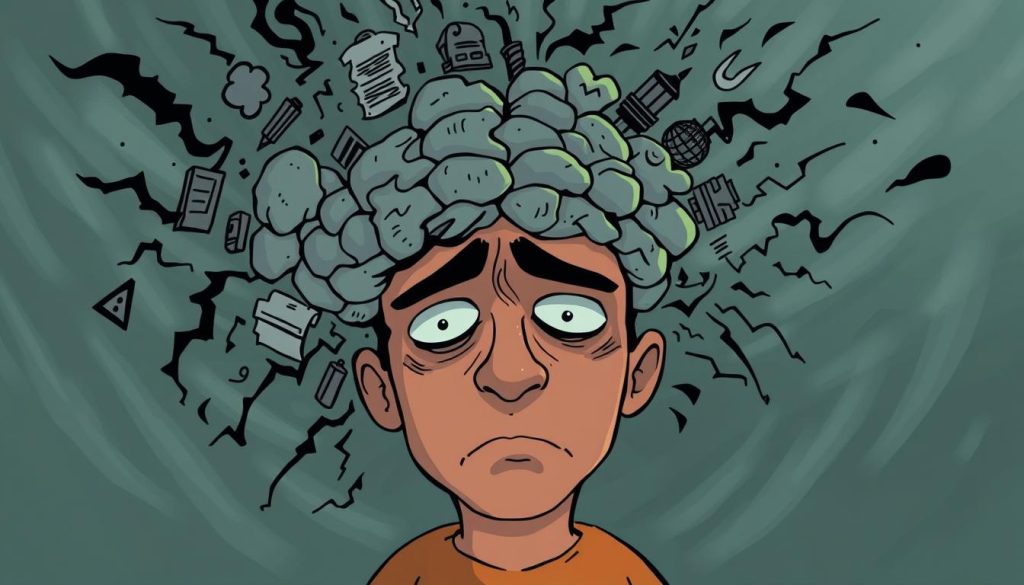
Anxiety often stems from a complex interplay of psychological and environmental factors. These elements can combine to create a heightened state of unease, which may escalate into a diagnosable condition. Understanding these triggers is essential for effective management and prevention.
Psychological and Environmental Factors
Psychological factors, such as a predisposition to overthinking or a history of trauma, can significantly contribute to anxiety. Environmental triggers, like a high-pressure work environment or unstable living conditions, often exacerbate these feelings. Together, they create a fertile ground for the development of generalized anxiety disorder.
Daily activities, such as juggling multiple responsibilities or navigating challenging relationships, can also play a role. These stressors, when persistent, can lead to a state of chronic unease. Recognising these factors early can help in taking proactive steps to mitigate their impact.
The Role of Stress and Life Events
Stressful life events, such as the loss of a loved one or a major career change, are common triggers. These events can disrupt normal routines and create a sense of instability. According to the DSM-5, such disruptions can lead to the onset of generalized anxiety or other related conditions.
Research highlights that prolonged exposure to stress can alter brain chemistry, making individuals more susceptible to anxiety. For example, ongoing work-related stress or financial difficulties can amplify feelings of worry. Addressing these issues promptly can prevent them from escalating into more severe conditions.
Understanding the progression from normal stress to a diagnosable disorder is crucial. Early intervention, such as therapy or lifestyle adjustments, can significantly improve outcomes. Monitoring stress levels and seeking support when needed are key steps in managing anxiety effectively.
Differentiating Anxiety Disorders from Everyday Anxiety
Distinguishing between everyday stress and a clinical disorder is essential for proper mental health care. While occasional worry is a normal part of life, clinical anxiety involves persistent and disruptive feelings that interfere with daily functioning. Understanding this difference helps in seeking the right support.
Everyday stress, such as nervousness before a presentation, is temporary and manageable. In contrast, symptom anxiety refers to recurring and intense feelings that disrupt work, relationships, and overall well-being. This type of anxiety often requires professional intervention.
According to the DSM-5, clinical anxiety is diagnosed when symptoms persist for six months or more and significantly impair daily life. For example, someone with generalised anxiety disorder may experience constant worry about various aspects of life, even when there is no immediate threat.
Treatment approaches vary depending on the type and severity of the condition. Therapy, such as cognitive behavioural therapy (CBT), is often effective for managing diagnosed disorders. Medication may also be prescribed to alleviate severe symptoms. For situational stress, lifestyle changes and coping strategies are usually sufficient.
Recognising when normal stress escalates into a disorder is crucial. Persistent feelings of unease, physical discomfort, or avoidance behaviours are key indicators. Seeking professional advice early can lead to better outcomes and improved quality of life.
The Diagnostic Journey for Anxiety
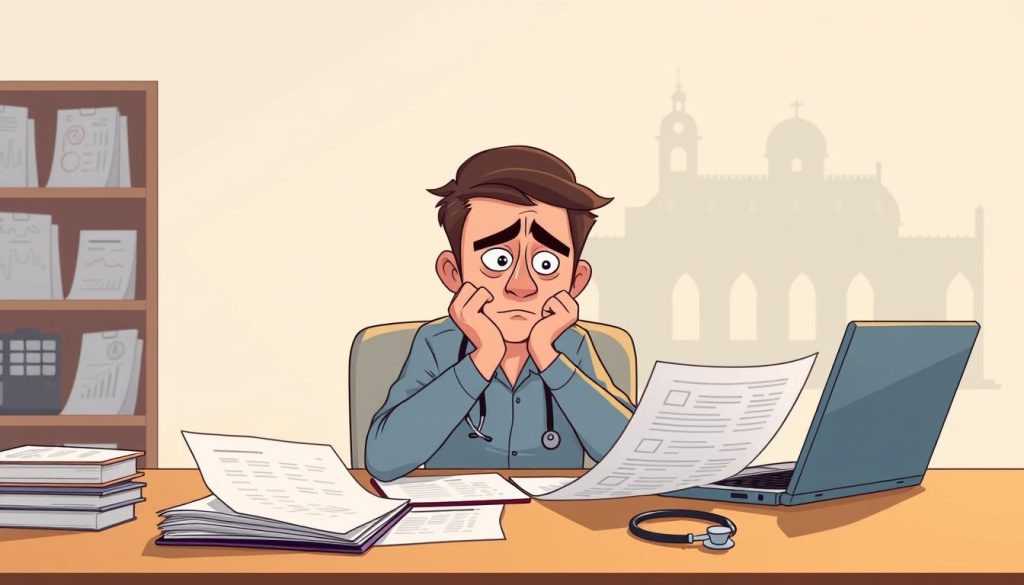
Diagnosing mental health conditions like panic disorder involves a detailed and structured process. This journey often begins with a thorough assessment to identify the specific type anxiety a person is experiencing. Early and accurate diagnosis is crucial, especially when addressing issues in children.
Medical and Psychological Assessments
The first step in the diagnostic process typically involves a medical evaluation. This helps rule out physical health issues that might mimic panic disorder or other mental health problems. Blood tests, physical exams, and discussions about medical history are common.
Psychological assessments follow, often conducted by a trained professional. These evaluations include interviews, questionnaires, and behavioural observations. The goal is to understand the individual’s emotional state, thought patterns, and daily functioning. Tools like the DSM-5 are frequently used to ensure accuracy.
Understanding the Evaluation Process
Differentiating between various type anxiety disorders is a key part of the evaluation. For example, panic disorder is characterised by recurrent panic attacks, while generalised anxiety involves persistent worry. Doctors rely on specific criteria to make these distinctions.
Early diagnosis in children is particularly important. Untreated mental health problems can lead to long-term issues, affecting academic performance, social skills, and overall well-being. Parents and caregivers play a vital role in recognising early signs and seeking professional help.
- Medical assessments help rule out physical causes of symptoms.
- Psychological evaluations identify specific type anxiety disorders.
- Early diagnosis in children can prevent long-term mental health problems.
- Accurate diagnosis ensures appropriate treatment and support.
Effective Management Strategies for Anxiety
Managing emotional distress effectively requires a combination of proven strategies and personalised approaches. Whether dealing with a phobia, persistent depression, or other challenges, finding the right way to cope is essential. A holistic approach often yields the best results, blending therapy, medication, and lifestyle adjustments.
Therapeutic Interventions
Therapy plays a crucial role in addressing emotional distress. Cognitive-behavioural therapy (CBT) is widely recognised for its effectiveness. It helps individuals reframe negative thought patterns and develop healthier coping mechanisms. Another approach, exposure therapy, is particularly useful for managing specific phobias. This method gradually reduces fear by controlled exposure to the feared object or situation.
Group therapy and mindfulness-based interventions are also valuable. These methods provide support and teach techniques to manage stress and improve emotional resilience. Research shows that combining these therapies can significantly reduce symptoms of depression and other related conditions.
Medication and Alternative Approaches
In some cases, medication is necessary to manage severe emotional distress. Antidepressants and anti-anxiety medications can help regulate brain chemistry, providing relief from overwhelming feelings. However, medication is often most effective when paired with therapy and lifestyle changes.
Alternative treatments, such as yoga, meditation, and acupuncture, offer additional support. These practices promote relaxation and can be a helpful way to manage stress. For those dealing with a phobia, these methods can complement traditional therapies, creating a more comprehensive treatment plan.
It’s important to remember that everyone’s journey is unique. What works for one person may not be the right thing for another. Consulting a healthcare professional ensures a tailored approach, addressing individual needs and challenges effectively.
Treatment Options: Therapy, Medication and Self-care
Exploring the right treatment options can significantly improve mental well-being and quality of life. Whether dealing with a specific type anxiety disorder or a broader health condition, understanding the available therapies, medications, and self-care strategies is essential. Tailoring these approaches to individual needs ensures the best outcomes.
Choosing the Right Treatment Path
Selecting the appropriate treatment depends on several factors. The type anxiety disorder and any coexisting health conditions play a crucial role in determining the best approach. For instance, social anxiety may respond well to cognitive-behavioural therapy (CBT), while generalised anxiety might require a combination of medication and therapy.
It’s important to evaluate how symptoms affect daily life. Severe cases may benefit from medication to manage immediate concerns, while milder forms can often be addressed through therapy and lifestyle changes. Consulting a healthcare professional ensures a personalised treatment plan.
Therapy and Medication
Therapy is a cornerstone of treatment for many type anxiety disorders. CBT helps individuals reframe negative thought patterns, while exposure therapy is effective for specific phobias. Group therapy and mindfulness-based interventions also provide valuable support.
Medication, such as antidepressants or anti-anxiety drugs, can be helpful for managing severe symptoms. These are often used alongside therapy to address both the emotional and physiological aspects of the health condition. Regular monitoring by a healthcare provider ensures the treatment remains effective.
Self-care and Community Support
Self-care plays a vital role in managing mental health. Techniques like yoga, meditation, and journaling can reduce stress and improve emotional resilience. For those with social anxiety, joining support groups or engaging in community activities can foster a sense of belonging.
Balancing professional treatment with personal adjustments is key. Simple changes, such as maintaining a regular sleep schedule or practising relaxation techniques, can complement therapy and medication. Building a supportive environment enhances long-term recovery.
- Therapy, such as CBT, is effective for many type anxiety disorders.
- Medication can help manage severe symptoms of a health condition.
- Self-care techniques, like meditation, support overall well-being.
- Community-based activities are beneficial for managing social anxiety.
- Personalised treatment plans ensure the best outcomes.
Building a Supportive Environment for Mental Health
Creating a supportive environment is essential for managing mental health challenges effectively. A strong network of community and social connections can significantly improve well-being and reduce the impact of emotional struggles. This is particularly important for individuals dealing with a person anxiety disorder, where ongoing support can make a profound difference.
Community and Social Support
Positive social situations and supportive relationships play a crucial role in reducing emotional distress. Engaging with others in meaningful ways can foster a sense of belonging and security. For those managing a person anxiety disorder, this support can help alleviate feelings of isolation and provide practical coping strategies.
Community programs and group interventions are excellent examples of proactive mental health care. These initiatives may include support groups, workshops, or social activities designed to build resilience. Participation in such programs can enhance life quality by offering a safe space to share experiences and learn from others.
- Building a supportive network within the community improves mental health outcomes.
- Positive social situations and relationships reduce emotional struggles.
- Community programs, such as support groups, help manage person anxiety disorder.
- Lifestyle changes and continual social support contribute to a better life.
According to the World Health Organisation, community-based care is a vital component of mental health management. Professionals recommend integrating social support into treatment plans to ensure long-term success. Simple steps, like joining local groups or volunteering, can create a supportive environment that enhances overall well-being.
Conclusion
Recognising when to seek support is a vital step in managing emotional well-being. Throughout this article, we’ve explored the importance of identifying early signs, such as changes in behavior or heart-related discomfort, which should not be ignored. Early intervention, guided by a professional, can make a significant difference in improving quality of life.
Maintaining mental health is an ongoing process that requires a proactive approach. Community support, self-care practices, and seeking help when needed are essential components of this journey. Whether it’s through therapy, medication, or lifestyle adjustments, there are various ways to address challenges effectively.
If you or someone you know is struggling, don’t hesitate to reach out to a professional. Taking that first step towards help can lead to a healthier, more balanced life. Remember, you’re not alone, and support is always available.
FAQ
What is the difference between normal worry and anxiety?
Normal worry is a temporary feeling that arises in response to specific situations, while anxiety is a persistent condition that can interfere with daily life. Anxiety often involves excessive fear or dread, even when there is no immediate threat.
What are some common emotional signs of anxiety?
Emotional signs may include feelings of restlessness, irritability, or a constant sense of dread. Individuals might also experience difficulty concentrating or an overwhelming fear of losing control.
How does anxiety manifest physically?
Physical signs can include a rapid heartbeat, sweating, trembling, or shortness of breath. Some people may also experience headaches, stomach aches, or muscle tension.
When should I seek professional advice for anxiety?
If feelings of fear or worry persist for an extended period, interfere with daily activities, or cause significant distress, it’s important to consult a mental health professional for guidance.
What role do stress and life events play in anxiety?
Stressful situations, such as work pressure or major life changes, can trigger or worsen anxiety. Chronic stress can also contribute to the development of anxiety disorders over time.
How is anxiety diagnosed?
Diagnosis typically involves a combination of medical assessments and psychological evaluations. A healthcare professional will assess your symptoms, medical history, and overall mental health to determine the appropriate diagnosis.
What are some effective management strategies for anxiety?
Strategies may include therapy, such as cognitive behavioural therapy (CBT), medication, or lifestyle changes like regular exercise and mindfulness practices. Finding the right approach often requires professional guidance.
How can I build a supportive environment for mental health?
Surround yourself with understanding friends and family, join support groups, and engage in activities that promote well-being. Open communication and a strong support network can make a significant difference.


Post a comment