

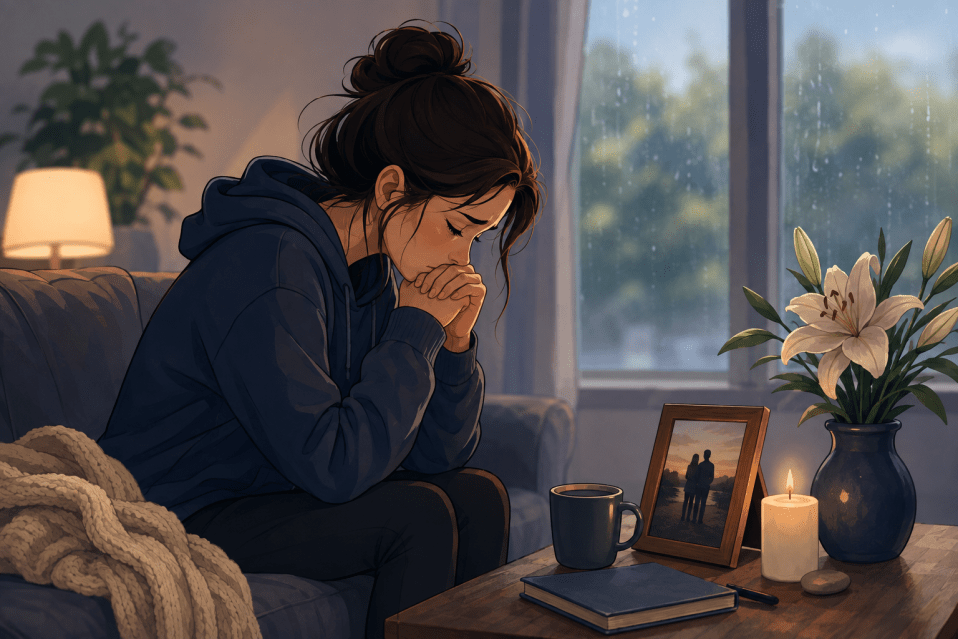
Grief is a natural response to losing someone important. It can affect emotions, thoughts, sleep, physical health, relationships and the ability to manage everyday responsibilities.
There is no correct way to grieve and no fixed timetable for recovery. Some people feel intense sadness immediately, while others experience numbness, anger, guilt or disbelief. Grief may also come in waves, becoming stronger around anniversaries, birthdays, familiar places or important family events.
For many people, the intensity of grief gradually becomes more manageable. The loss continues to matter, but they slowly begin returning to daily activities and finding moments of connection, purpose and enjoyment.
Sometimes, however, grief remains extremely intense for many months or years. The person may feel unable to accept the death or rebuild their life around the loss. This is often called complicated grief and may also be described as prolonged grief disorder.
What Is Complicated Grief?
Complicated grief is a severe and persistent form of bereavement in which painful thoughts and emotions continue to dominate someone’s life.
The term does not mean that the relationship, the person who died or the bereaved individual is complicated. It describes a grieving process that has become prolonged and is significantly affecting everyday functioning.
The NHS uses the term prolonged grief disorder for grief that continues for many months or years and makes it difficult for someone to return to ordinary activities.
A person experiencing complicated grief may feel emotionally trapped at the point of the death. They may understand intellectually that the person has died but remain unable to accept the reality emotionally.
They may spend much of the day thinking about the person, replaying events surrounding the death or longing intensely for their return.
How Is Complicated Grief Different From Expected Grief?
Expected grief can be extremely painful. Crying, anger, guilt, poor sleep, reduced concentration and temporary difficulty managing daily life do not automatically indicate a mental health disorder.
Grief is highly individual and is influenced by the relationship, circumstances of the death, culture, beliefs, health and available support.
Over time, expected grief usually begins to change. The person may still experience sadness and sudden waves of emotion, but these feelings are increasingly accompanied by periods in which they can focus on other parts of life.
The Royal College of Psychiatrists explains that reminders such as people, places and possessions can continue to trigger waves of grief even as the most intense pain gradually reduces.
With complicated grief, the distress does not become noticeably easier. The loss continues to feel immediate and overwhelming, and the person may remain unable to re-engage with everyday life.
The difference is not simply how long someone has been grieving. The intensity of the symptoms and their effect on daily functioning are also important.
Symptoms of Complicated Grief
Complicated grief can affect everyone differently. Common symptoms may include:
- Intense yearning for the person who died
- Spending much of the day thinking about them
- Difficulty accepting that the death has happened
- Feeling that part of yourself also died
- Persistent sadness, anger, guilt or blame
- Emotional numbness or disbelief
- Avoiding reminders of the person
- Constantly seeking reminders of them
- Feeling detached from friends and family
- Losing interest in previously enjoyable activities
- Feeling that life has no purpose or meaning
- Difficulty returning to work or daily responsibilities
- Problems sleeping, eating or concentrating
- Feeling unable to imagine a future
- Thoughts of death, self-harm or suicide
The NHS identifies persistent sadness or guilt, preoccupation with the person who died, difficulty accepting the death, inability to resume everyday activities and suicidal thoughts as possible symptoms of prolonged grief disorder.
Someone may also repeatedly replay the circumstances of the death, particularly when it was sudden, violent or traumatic.
Why Does Grief Sometimes Become Complicated?
There is rarely one simple cause. Complicated grief may develop through a combination of the relationship, the circumstances surrounding the death and the support available afterwards.
A Sudden or Traumatic Death
Unexpected deaths can be particularly difficult to process.
This may include death through suicide, violence, an accident, disaster or sudden illness. There may have been no opportunity to say goodbye or prepare emotionally.
The NHS states that prolonged grief disorder may be more likely following a sudden, unexpected or traumatic death.
A Very Close or Dependent Relationship
The person who died may have been a partner, child, parent, sibling, friend or carer who played a central role in everyday life.
Their death may affect not only emotional connection but also identity, finances, housing, routines and future plans.
Someone may struggle to understand who they are without that relationship.
Difficult Circumstances Around the Death
Grief may be harder to process when the bereaved person witnessed the death, discovered the body or believes that something could have been done differently.
They may repeatedly question medical decisions, their own actions or the behaviour of other people.
Unresolved Relationship Difficulties
Grief can include regret about arguments, separation, lost contact or words that were never spoken.
The person may feel guilty because the relationship was difficult or because they experienced relief alongside sadness.
Multiple Losses
Experiencing several bereavements or major life changes close together can overwhelm a person’s ability to cope.
They may have little time to process one loss before facing another.
Limited Support
Isolation can make grief more difficult.
Friends and relatives may stop checking in after the funeral, even though the bereaved person’s distress continues. Other people may avoid discussing the death because they feel uncomfortable or worry about causing upset.
Complicated Grief, Depression and PTSD
Complicated grief can share symptoms with depression and post-traumatic stress disorder, but these conditions are not identical.
Depression may involve persistent low mood, hopelessness, loss of interest and feelings of worthlessness that extend beyond thoughts about the person who died.
Complicated grief tends to remain strongly focused on the deceased person, the relationship and the circumstances of the loss.
PTSD may develop when the death was traumatic. Symptoms can include flashbacks, nightmares, avoidance, hypervigilance and feeling constantly unsafe. NICE notes that PTSD can affect sleep, concentration and quality of life following traumatic experiences.
A person may experience complicated grief, depression and PTSD at the same time. A professional assessment can help identify the most suitable support.
How Complicated Grief Can Affect Everyday Life
Persistent grief may affect work, education, parenting, relationships and physical health.
Someone might withdraw from friends because being around other people feels exhausting. They may avoid places connected with the person or be unable to change the deceased person’s room or possessions.
Others may spend large amounts of time visiting a grave, looking through photographs or replaying messages and videos.
These activities are not automatically unhealthy. They become concerning when the person feels unable to choose how they remember their loved one or participate in other parts of life.
Complicated grief may also increase loneliness. The bereaved person may feel that nobody understands the importance of the relationship or the depth of the loss.
Coping With Complicated Grief
Acknowledge That You Need Support
Needing help does not mean that you are grieving incorrectly or failing to cope.
Complicated grief is not something that can always be overcome through willpower. Recognising that the grief has become unmanageable can be an important first step.
Maintain Basic Routines
Try to keep some structure around sleeping, eating, medication, movement and daily responsibilities.
Small routines can provide stability when emotions feel unpredictable.
Talk About the Person
Some people find comfort in talking about the person who died, sharing memories or using their name.
Choose people who can listen without rushing you, changing the subject or telling you how you should feel.
Create Meaningful Ways to Remember Them
You might create a memory box, visit a meaningful place, write a letter or take part in an activity connected with the person.
Remembering someone does not prevent recovery. Healing involves developing a way of carrying the relationship while continuing to live.
Reduce Isolation
Try to maintain contact with supportive people, even when you do not feel ready for large social situations.
A short message, telephone call or walk with someone you trust may feel more manageable.
Avoid Relying on Alcohol or Drugs
Alcohol and drugs may temporarily numb emotional pain but can worsen sleep, anxiety, depression and decision-making.
Speak to a professional if substance use has become a way of managing grief.
Treatment and Professional Support
Speak to a GP, counsellor or bereavement service when grief remains overwhelming, is preventing you from managing daily life or is not becoming any easier over time.
Professional support may include grief-focused counselling or psychological therapy. Therapy can help someone process the reality of the death, understand difficult emotions, address guilt and gradually reconnect with meaningful activities.
A therapist may also help the person explore traumatic memories, avoidance, depression or anxiety connected with the loss.
Support should not pressure someone to forget the person or “move on.” The aim is to help them live alongside the loss without remaining controlled by overwhelming grief.
Supporting Someone With Complicated Grief
Do not tell the person that they should be over the loss.
Instead, listen, acknowledge the importance of the person who died and offer specific practical support.
You might say:
“I know you are still finding this incredibly difficult.”
“I’m here to listen whenever you need to talk about them.”
“Would it help if I came with you to speak to your GP?”
“Can I help with meals, shopping or appointments this week?”
Continue checking in after anniversaries and other people have returned to their normal routines.
When to Seek Urgent Help
Urgent support is needed if someone is experiencing suicidal thoughts, has harmed themselves or feels unable to remain safe.
In England, contact NHS 111 and select the mental health option for urgent mental health support when there is no immediate danger.
Call 999 or attend the nearest accident and emergency department when someone is in immediate danger.
Recovery Does Not Mean Forgetting
Complicated grief can make it feel as though life stopped when the person died.
With compassionate support and appropriate treatment, the pain can gradually become less consuming. The bereaved person can begin reconnecting with relationships, responsibilities and meaningful experiences.
Recovery does not mean forgetting the person, leaving them behind or no longer feeling sad.
It means finding a way to remember them while also allowing life to continue.


Post a comment