

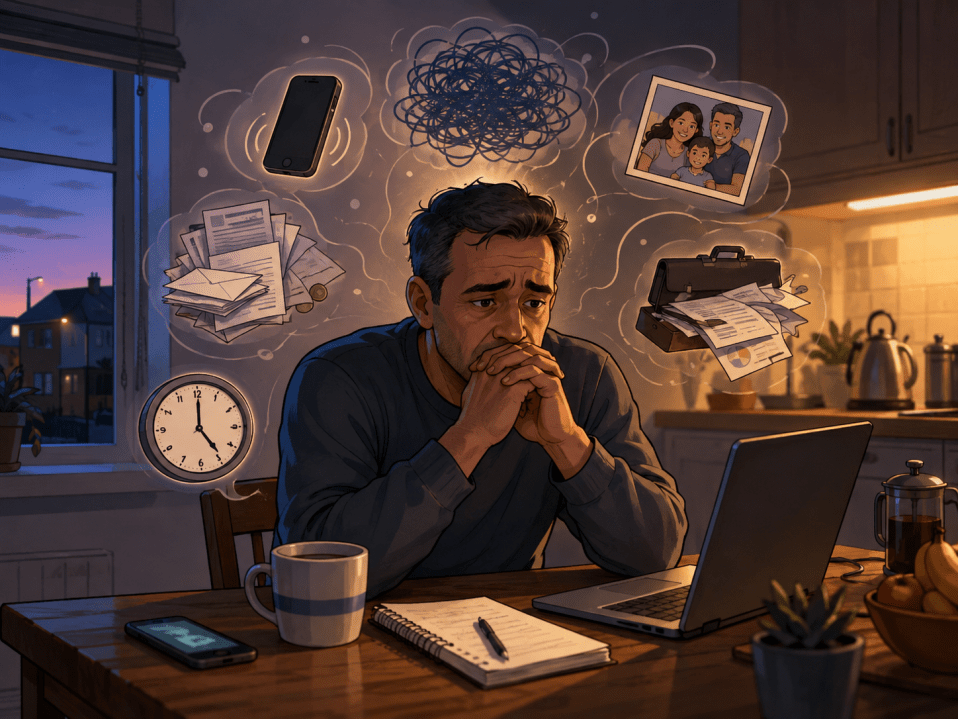
Most people feel anxious from time to time. Worry is a natural response to uncertainty, pressure or possible danger. It may appear before an interview, medical appointment, financial decision or important life event.
Generalised anxiety disorder, commonly shortened to GAD, is different from occasional worry. It causes persistent anxiety about several areas of life, often without one clear reason. The worry can feel difficult to control and may continue even when there is no immediate threat.
Someone with generalised anxiety disorder may worry about their health, work, finances, relationships, family or everyday responsibilities. Once one concern is resolved, another may quickly take its place.
GAD can affect sleep, concentration, confidence, relationships and physical health. However, effective treatment and support are available.
What Is Generalised Anxiety Disorder?
Generalised anxiety disorder is a mental health condition involving frequent and excessive worry.
The anxiety is usually not limited to one situation. A person may worry about several different issues and find it extremely difficult to relax or stop thinking about what could go wrong.
NICE describes GAD as excessive anxiety and worry about several events or activities, accompanied by difficulty controlling the worry. It can cause significant distress and interfere with everyday life.
The person may recognise that their fears are stronger than the situation requires. However, knowing this does not automatically stop the anxiety.
GAD can develop gradually, and some people live with symptoms for years before realising that support is available.
What Does Generalised Anxiety Feel Like?
Generalised anxiety can feel like being mentally and physically prepared for a problem that never fully arrives.
A person may repeatedly think:
“What if something goes wrong?”
“What if I cannot cope?”
“What if I have forgotten something important?”
“What if somebody becomes ill?”
“What if I lose my job?”
Even during calm periods, the mind may continue searching for new risks.
The anxiety can be exhausting because the person rarely feels completely safe, settled or finished with worrying.
Symptoms of Generalised Anxiety Disorder
GAD can cause emotional, cognitive, physical and behavioural symptoms.
Emotional Symptoms
Someone may experience:
- Constant worry or nervousness
- Feeling tense or on edge
- Irritability
- Difficulty relaxing
- A persistent sense of dread
- Feeling overwhelmed by ordinary responsibilities
- Fear that something bad is about to happen
The worry may feel uncontrollable, even when the person tries to distract themselves or think positively.
Cognitive Symptoms
Generalised anxiety can affect thinking and concentration.
Common difficulties include:
- Overthinking decisions
- Imagining worst-case outcomes
- Repeatedly seeking reassurance
- Struggling to concentrate
- Finding it hard to make decisions
- Replaying conversations
- Doubting whether tasks have been completed properly
- Being unable to switch off from worries
Someone may spend so much time thinking about possible problems that they have little mental energy left for the present moment.
Physical Symptoms
Anxiety activates the body’s threat response. This can cause:
- A racing or noticeable heartbeat
- Muscle tension
- Headaches
- Dizziness
- Sweating
- Trembling
- Shortness of breath
- Chest tightness
- Stomach problems
- Nausea
- Dry mouth
- Tiredness
- Difficulty sleeping
- Needing the toilet more frequently
Physical anxiety symptoms can be frightening. Some people worry that they indicate a serious illness, which can create even more anxiety.
New, severe or unexplained physical symptoms should be discussed with a healthcare professional rather than automatically being attributed to anxiety.
How Is GAD Different From Everyday Worry?
Everyday worry usually relates to a specific issue and reduces when the situation is resolved.
For example, someone may feel anxious before an exam but calmer after completing it.
With generalised anxiety disorder, worry is broader, more persistent and harder to control. It may continue for months and affect several parts of life.
A person with GAD may also prepare excessively for unlikely events, repeatedly seek reassurance or avoid activities because of what might happen.
The NHS advises seeking medical help when anxiety will not go away, affects everyday life or becomes difficult to cope with.
What Causes Generalised Anxiety Disorder?
There is no single cause of GAD. It may develop through a combination of biological, psychological and environmental factors.
Genetics and Family History
Anxiety can run in families.
This may be partly related to inherited differences in how the nervous system responds to stress. People can also learn anxious behaviours by observing how relatives react to uncertainty and danger.
Having a family history of anxiety does not mean that someone will definitely develop GAD.
Stressful Life Experiences
Prolonged stress can make the nervous system more sensitive.
Financial difficulties, employment problems, caring responsibilities, relationship conflict, bereavement or housing insecurity may contribute to ongoing worry.
Someone who has faced repeated uncertainty may begin expecting problems even during relatively stable periods.
Trauma
Abuse, neglect, violence, accidents or other traumatic experiences can affect a person’s sense of safety.
They may remain alert to possible danger and find uncertainty particularly difficult to tolerate.
Personality and Thinking Patterns
Some people naturally feel a strong need for certainty or responsibility.
They may believe that worrying prevents bad things from happening or helps them prepare for every possible outcome.
Perfectionism and fear of making mistakes can also contribute to generalised anxiety.
Physical Health
Long-term illness, chronic pain and unexplained physical symptoms can increase anxiety.
Some medical conditions and medications can also produce symptoms that resemble anxiety. A GP may therefore consider physical health when assessing persistent worry. NICE advises healthcare professionals to explore whether physical health problems may be related to anxious feelings.
Alcohol, Drugs and Caffeine
Alcohol, recreational drugs and large amounts of caffeine can worsen anxiety.
Some people use substances to calm themselves temporarily, but this can lead to increased anxiety, poor sleep and dependence over time.
How GAD Can Affect Everyday Life
Generalised anxiety disorder can affect much more than mood.
At work, someone may check tasks repeatedly, avoid making decisions or struggle to concentrate. They may appear highly organised while privately feeling overwhelmed.
In relationships, they may need frequent reassurance or become irritable because they are mentally exhausted.
Sleep can also become difficult. The person may lie awake reviewing the day or anticipating tomorrow’s problems.
Over time, GAD can reduce confidence and independence. Someone may avoid travelling, socialising, accepting opportunities or trying unfamiliar activities because the uncertainty feels unbearable.
GAD can also occur alongside depression or another anxiety condition.
How Is Generalised Anxiety Disorder Diagnosed?
There is no single blood test or scan for GAD.
A GP or mental health professional will usually ask about:
- The subjects you worry about
- How long the anxiety has continued
- Whether you can control the worry
- Physical symptoms
- Sleep and concentration
- The impact on work, relationships and daily life
- Medication, alcohol and drug use
- Other mental and physical health conditions
NICE recommends asking about anxiety and the ability to stop or control worry. Short questionnaires such as the GAD-2 may be used as part of an initial assessment.
Honest answers help the professional understand what support may be most appropriate.
Treatment for Generalised Anxiety Disorder
Treatment depends on the severity of symptoms, personal preferences and previous support.
Education and Monitoring
For milder symptoms, understanding anxiety and monitoring its impact may be helpful.
A healthcare professional may recommend reliable information, guided self-help or lifestyle changes before considering more intensive treatment.
Guided Self-Help
Guided self-help usually involves working through structured materials with support from a trained practitioner.
It may help someone understand worry, challenge unhelpful thinking and gradually change behaviours that maintain anxiety.
Cognitive Behavioural Therapy
Cognitive behavioural therapy, or CBT, is a commonly recommended treatment for GAD.
CBT explores the connection between thoughts, emotions, physical sensations and behaviour. It can help a person recognise anxious predictions, tolerate uncertainty and respond differently to worry.
Rather than promising that nothing bad will happen, therapy helps someone develop confidence that they can cope with uncertainty and difficulties.
NICE recommends psychological treatments such as CBT or applied relaxation when GAD is significantly affecting daily life.
Applied Relaxation
Applied relaxation teaches someone to recognise early physical signs of anxiety and use relaxation techniques in situations that normally trigger worry.
The aim is to practise these skills regularly so they become easier to use during periods of stress.
Medication
A GP may discuss medication when symptoms are severe, psychological treatment has not helped enough or the person prefers a medical option.
Antidepressants called selective serotonin reuptake inhibitors, or SSRIs, are sometimes prescribed for anxiety. These medicines are not instant sedatives and may take time to have an effect.
Medication can cause side effects and should only be started, changed or stopped with professional guidance. NICE recommends discussing the benefits, risks, possible side effects and withdrawal effects before treatment begins.
Practical Ways to Manage Generalised Anxiety
Set Aside Worry Time
Choose a short period each day to write down worries and consider whether action is needed.
When a worry appears outside that period, make a note and return to it later. This can help reduce the feeling that every concern must be solved immediately.
Separate Practical and Hypothetical Worries
A practical worry has an action you can take.
For example, if you are worried about an unpaid bill, you may be able to contact the company or create a payment plan.
A hypothetical worry begins with “what if” and may have no immediate solution.
Recognising the difference can prevent hours of trying to solve imagined future events.
Reduce Reassurance-Seeking
Repeatedly asking others whether everything is okay may provide brief relief, but it can strengthen anxiety over time.
Try delaying reassurance and noticing whether the worry begins to settle on its own.
Protect Your Sleep
Keep a regular sleep schedule where possible and avoid repeatedly checking messages, work or news before bed.
Writing down tomorrow’s tasks may help reduce the need to remember everything overnight.
Stay Physically Active
Walking, swimming, cycling or other regular movement may help reduce muscle tension and improve sleep and mood.
Choose an activity that feels manageable rather than setting unrealistic goals.
Limit Caffeine and Alcohol
Caffeine can increase restlessness, trembling and a racing heartbeat.
Alcohol may reduce anxiety temporarily but can worsen sleep and emotional wellbeing afterwards.
Use Slow Breathing
Breathe gently rather than taking repeated forced deep breaths.
Allow the outward breath to last slightly longer than the inward breath. Practise when calm so the technique feels familiar during anxious moments.
Speak to Someone
Talking to a trusted friend, relative, counsellor or support service can reduce isolation.
You do not need to wait until anxiety has become unbearable.
Adults in England may be able to refer themselves directly to NHS Talking Therapies for anxiety and depression. These services provide treatment for conditions including generalised anxiety disorder.
When to Seek Professional Help
Speak to a GP or mental health professional if:
- Worry is present most days
- You cannot control anxious thoughts
- Anxiety is affecting sleep, work or relationships
- You are avoiding important activities
- Physical symptoms are concerning you
- Alcohol or drugs are being used to cope
- Self-help strategies are not working
- Anxiety is occurring alongside depression
Treatment can take time, but many people learn to manage their symptoms effectively.
When to Seek Urgent Help
Seek urgent help if anxiety is contributing to thoughts of suicide or self-harm, you feel unable to keep yourself safe or you believe you may harm someone else.
In England, contact NHS 111 and select the mental health option when urgent help is needed but there is no immediate danger.
Call 999 or attend the nearest accident and emergency department if someone is in immediate danger.
Living With Generalised Anxiety Disorder
GAD can make everyday uncertainty feel dangerous. It may create endless worry, physical exhaustion and a sense that the mind is never allowed to rest.
However, anxiety does not have to control every decision.
With appropriate treatment, practical coping strategies and compassionate support, people can reduce excessive worry and rebuild confidence in their ability to cope.
Recovery does not necessarily mean never feeling anxious. It means understanding the anxiety, responding to it differently and continuing to live even when complete certainty is not possible.


Post a comment