
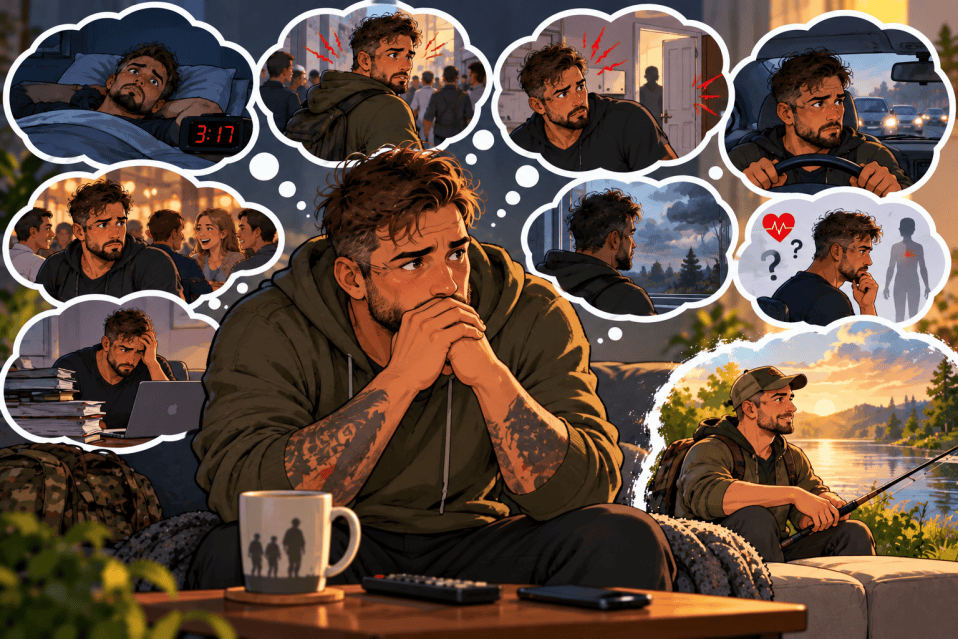
Why does relaxing feel impossible after trauma? Discover how post-traumatic stress disorder affects the brain and nervous system, why people with PTSD remain constantly on alert, and how they can begin to feel safe again.
Why Relaxing Can Feel Impossible When You Have PTSD
For most people, relaxing means switching off from everyday pressures, enjoying some quiet time or spending an evening doing something they love.
However, for someone living with post-traumatic stress disorder (PTSD), relaxation can be surprisingly difficult.
Sitting quietly, closing their eyes or allowing themselves to switch off may trigger feelings of anxiety rather than comfort.
They might constantly check their surroundings, become startled by unexpected noises or feel uncomfortable when they cannot see what is happening around them.
Some people describe feeling as though they are always waiting for something bad to happen, even when they know they are somewhere safe.
Others struggle to sleep, find peaceful environments unsettling or feel guilty when they are not doing something productive.
For someone who has never experienced trauma, these behaviours can be difficult to understand.
Family members may encourage them to relax, take a break or stop worrying, without realising how difficult that can feel.
At Anxious Minds, we understand that people living with PTSD are not simply choosing to remain anxious. Their brains and bodies may have learned to respond to the world as though danger is constantly nearby.
Understanding why this happens is an important part of supporting trauma recovery.
What Is Post-Traumatic Stress Disorder?
Post-traumatic stress disorder is a mental health condition that can develop after someone experiences or witnesses a traumatic event.
These experiences may include military combat, serious accidents, physical or sexual assault, domestic abuse, violence or other frightening situations.
PTSD can affect thoughts, emotions, behaviour, sleep and physical wellbeing.
Common symptoms include:
- Intrusive memories or flashbacks.
- Nightmares and disrupted sleep.
- Feeling constantly alert to possible danger.
- Avoiding reminders of traumatic experiences.
- Irritability and difficulty concentrating.
- Emotional numbness or disconnection.
- Persistent feelings of fear, guilt or shame.
- Difficulty trusting others or feeling safe.
Not everyone who experiences trauma develops PTSD, and symptoms can vary considerably.
Some people recover gradually after a traumatic experience, while others experience persistent difficulties requiring professional treatment.
1. The Brain’s Alarm System Can Remain on High Alert
Our brains contain systems designed to identify threats and help us respond to danger.
When something frightening happens, the body may activate a stress response involving changes in heart rate, breathing, muscle tension and attention.
These responses can be extremely useful during genuine emergencies.
However, following trauma, the systems involved in recognising and responding to threats may become unusually sensitive.
Someone living with PTSD might react strongly to sounds, movements or situations that remind them of previous danger.
For example, a veteran who has experienced combat may become distressed by sudden bangs or unfamiliar noises.
A survivor of domestic abuse may feel anxious when someone raises their voice.
Although the original traumatic experience has ended, reminders of it can trigger strong physical and emotional reactions.
This means that someone may understand they are safe while still experiencing intense anxiety.
Knowing you are safe and feeling safe are not always the same thing when you are living with PTSD.
2. Hypervigilance Makes It Difficult to Switch Off
One of the main reasons people with PTSD struggle to relax is hypervigilance.
Hypervigilance involves being unusually alert to possible threats.
Someone experiencing hypervigilance may constantly monitor their environment, notice small changes or become uncomfortable when they cannot predict what will happen.
They may:
- Prefer sitting where they can see the entrance to a room.
- Feel uncomfortable having people behind them.
- Become startled by sudden movements or noises.
- Check doors and windows repeatedly.
- Avoid crowded or unfamiliar places.
- Struggle to concentrate because they are monitoring their surroundings.
- Feel exhausted after spending time in busy environments.
These behaviours may develop as attempts to maintain safety.
For someone who has experienced a life-threatening situation, remaining alert may once have been essential.
The difficulty is that the same pattern can continue long after the immediate danger has passed.
Over time, constant vigilance can become physically and emotionally exhausting.
3. Relaxation Can Feel Like Losing Control
For some people with PTSD, relaxation creates a feeling of vulnerability.
During traumatic experiences, someone may have felt powerless or unable to protect themselves.
Afterwards, maintaining control can become an important way of feeling secure.
They might develop routines that help them predict what will happen or avoid situations where they feel uncertain.
Relaxing can involve letting go of some of that control.
Closing their eyes, lying down or becoming less aware of their surroundings may therefore feel uncomfortable.
Someone might want to enjoy a peaceful afternoon but find themselves becoming increasingly restless.
This can be confusing because they may genuinely want to relax while simultaneously feeling anxious about doing so.
In these circumstances, recovery often involves gradually learning that moments of calm do not automatically mean something dangerous will happen.
4. Why Quiet Environments Can Feel Uncomfortable
Many people assume that peaceful environments automatically reduce anxiety.
However, for someone living with PTSD, silence can sometimes make distressing thoughts and memories more noticeable.
When everyday distractions disappear, the person may become more aware of physical sensations, intrusive memories or uncomfortable emotions.
They might begin replaying traumatic experiences or worrying about what could happen next.
Some people therefore prefer having background noise, keeping themselves busy or spending time in environments where they feel more in control.
This does not mean quiet environments are harmful.
It means that relaxation strategies need to be adapted to the individual’s experiences and comfort levels.
For some people, walking outdoors, gentle movement or listening to familiar music may feel more manageable than sitting silently with their eyes closed.
5. PTSD Can Keep the Body Physically Tense
PTSD doesn’t only affect thoughts and emotions.
It can also influence physical wellbeing.
People experiencing persistent anxiety or heightened alertness may notice muscle tension, headaches, digestive discomfort, fatigue or a racing heartbeat.
Some people describe constantly holding tension in their shoulders, neck or jaw.
Others feel restless and struggle to remain seated for long periods.
Even when there is no immediate danger, their body may continue responding as though it needs to prepare for action.
This can make relaxation physically uncomfortable.
Someone may attempt to lie down and rest but feel unable to release muscle tension.
Over time, ongoing stress and poor sleep can contribute to exhaustion.
It is important to remember that persistent physical symptoms can have several causes and should not automatically be attributed to PTSD.
6. Nightmares and Sleep Difficulties Can Reinforce Anxiety
Sleep problems are common among people experiencing PTSD.
Some struggle to fall asleep because they feel uncomfortable becoming less aware of their surroundings.
Others experience nightmares, intrusive memories or repeated waking.
For someone who has experienced frightening nightmares, going to bed may itself become a source of anxiety.
They might delay sleep because they fear reliving traumatic experiences.
Poor sleep can then make emotional regulation more difficult.
The next day, they may feel more irritable, anxious or sensitive to unexpected situations.
This can create a difficult cycle.
Trauma-related symptoms increase alertness
Relaxation and sleep become difficult
Exhaustion and emotional sensitivity increase
Everyday situations become harder to manage
Heightened alertness can continue the cycle
Breaking this cycle may require support addressing both the traumatic experiences and the resulting sleep difficulties.
7. PTSD Can Make People Feel They Must Always Be Prepared
Some individuals with PTSD develop a strong need to prepare for potential problems.
They might plan escape routes, check their surroundings or avoid situations where they cannot control what happens.
These behaviours can be particularly understandable in people whose previous experiences involved genuine threats to their safety.
For some military veterans, for example, remaining alert and recognising danger were important skills during service.
However, adapting to civilian environments can be difficult when those responses continue even when they are no longer needed.
Someone may find it challenging to sit in a café, attend a busy event or relax in a public space.
The important thing to recognise is that these behaviours may be connected to learned protective responses rather than deliberate choices.
8. Feeling Safe Can Take Time After Trauma
Following trauma, a person’s understanding of safety may change.
Someone who previously trusted their environment may begin questioning whether something bad could happen again.
They might struggle to believe that danger has passed.
This can affect relationships, employment, social activities and everyday routines.
For survivors of repeated trauma, feeling safe may be particularly difficult because threatening experiences have occurred over long periods.
Recovery often involves rebuilding a sense of safety through consistent experiences, supportive relationships and appropriate therapeutic treatment.
It is not simply a matter of telling someone there is nothing to worry about.
9. Why Traditional Relaxation Techniques Don’t Always Help
People experiencing PTSD are often encouraged to practise meditation, mindfulness or deep breathing.
These approaches can be useful for some individuals, but they are not always comfortable for everyone.
Closing the eyes, focusing intensely on bodily sensations or remaining still may sometimes increase distress or trigger feelings of vulnerability.
Some people may also experience dissociation, where they feel disconnected from themselves or their surroundings.
This is why relaxation strategies should be flexible and responsive to individual needs.
For someone who finds traditional meditation difficult, more active approaches may feel safer.
Walking, gardening, creative activities or spending time outdoors can provide opportunities to relax while remaining engaged with the environment.
It is important not to force someone to participate in exercises that increase their distress.
10. How Outdoor Activities Can Help Veterans With PTSD
Outdoor activities can offer opportunities for people living with trauma-related difficulties to experience relaxation in a different way.
Activities such as walking, fishing, cycling or spending time in woodland environments combine gentle movement with opportunities for social connection.
For some veterans, these activities may feel more comfortable than sitting in a room discussing their experiences.
At Anxious Minds, our Veteran Recovery Colleges provide outdoor activities as part of our wider recovery support.
Our fly-fishing programme, for example, has given veterans opportunities to spend time in peaceful surroundings, develop skills and build relationships with other participants.
Some veterans have described finding it difficult to relax before taking part in outdoor activities.
Spending time fishing allows participants to focus on a practical activity while enjoying the natural environment.
Outdoor programmes are not a replacement for evidence-based PTSD treatment, but they can provide valuable opportunities for wellbeing, companionship and confidence-building.
11. Practical Ways to Begin Managing PTSD-Related Tension
There is no single relaxation technique that works for everyone with PTSD.
However, some approaches may help people gradually develop a greater sense of comfort.
Begin with small moments of calm
Instead of expecting yourself to relax for an hour, start with short periods that feel manageable.
You might sit somewhere comfortable, listen to music or enjoy a warm drink.
Try gentle movement
Walking, stretching or spending time outdoors may feel easier than remaining completely still.
Use grounding techniques
Grounding involves focusing on the present environment.
Try noticing the objects around you, the sounds you can hear or the feeling of your feet touching the floor.
Create predictable routines
Having regular routines may help reduce uncertainty and provide a greater sense of stability.
Maintain supportive connections
Spending time with trusted friends, family members or peers may help reduce feelings of isolation.
Avoid forcing relaxation
If an exercise makes you feel distressed, stop or adapt it.
Relaxation should be approached gradually and in ways that respect your individual needs.
Seek professional support
If PTSD symptoms are affecting sleep, relationships or everyday activities, an assessment with a qualified healthcare professional can help identify appropriate treatment.
12. How Trauma-Focused Therapy Can Help
PTSD is a treatable mental health condition.
For adults experiencing PTSD, the National Institute for Health and Care Excellence (NICE) recommends individual trauma-focused cognitive behavioural therapy (CBT).
NICE also recommends eye movement desensitisation and reprocessing (EMDR) for certain presentations of PTSD.
These therapies can help people process traumatic memories, reduce avoidance, develop healthier interpretations of their experiences and manage distressing symptoms.
Treatment should be delivered by appropriately trained professionals and adapted to individual circumstances.
For some people, recovery may also involve support with sleep, depression, anxiety or other difficulties.
Although learning relaxation techniques can be helpful, specialist treatment is important when symptoms of PTSD remain persistent or significantly affect everyday life.
Supporting Someone With PTSD Who Cannot Relax
Living with someone who has PTSD can sometimes be challenging, particularly when they appear constantly tense or uncomfortable.
Partners and family members may struggle to understand why ordinary situations cause distress.
However, telling someone to calm down or stop worrying rarely addresses the underlying difficulty.
A more supportive approach involves listening, respecting their boundaries and recognising that their responses may be connected to previous traumatic experiences.
Ask what helps them feel comfortable rather than assuming you know what they need.
Avoid pressuring them to discuss traumatic memories before they are ready.
Encourage professional support when appropriate, while remembering that recovery can take time.
Family members and carers may also benefit from accessing support for their own emotional wellbeing.
PTSD and Veteran Mental Health Support at Anxious Minds
At Anxious Minds, we recognise the significant impact PTSD and other trauma-related difficulties can have on individuals and their families.
Our Veteran Recovery Colleges in North Tyneside and County Durham support veterans and their families experiencing mental health and emotional difficulties.
Our services bring together mental health support, counselling, peer-support activities, practical advice and outdoor recovery programmes.
We understand that some veterans find traditional mental health settings difficult and may benefit from having different opportunities to engage with support.
Our outdoor activities, including fly-fishing, walking and woodland-based programmes, provide opportunities for veterans to develop relationships, spend time in supportive environments and experience activities that may help them feel more relaxed.
We also provide affordable counselling services across the North East, including face-to-face appointments in Wallsend and Blyth, alongside online and telephone counselling.
Where someone requires specialist PTSD treatment, appropriate assessment and referral are important.
Our aim is to help people access compassionate mental health support and develop greater confidence, connection and wellbeing.
Final Thoughts: Relaxation Can Become Possible Again After Trauma
For someone living with PTSD, relaxing may feel much more complicated than simply sitting quietly or taking a break.
Their brain and body may continue responding to potential danger even when they are in safe surroundings.
Hypervigilance, intrusive memories, physical tension and disrupted sleep can make everyday relaxation difficult.
These experiences can be exhausting, particularly when other people do not understand why someone cannot simply switch off.
However, struggling to relax after trauma does not mean someone is weak, difficult or incapable of recovery.
With understanding, appropriate treatment and supportive environments, many people can gradually develop a greater sense of safety.
Recovery does not mean forgetting traumatic experiences or never feeling anxious again.
It means learning to live without past experiences constantly controlling how you respond to the present.
At Anxious Minds, we believe everyone deserves access to compassionate support, including those whose experiences have made feeling safe and relaxed particularly difficult.
You deserve moments of peace, and recovery can help make those moments possible again.
Anxious Minds – Supporting Mental Health, Veterans and Families Across the North East.
Visit www.anxiousminds.co.uk to learn more about our Veteran Recovery Colleges and affordable counselling services.


