

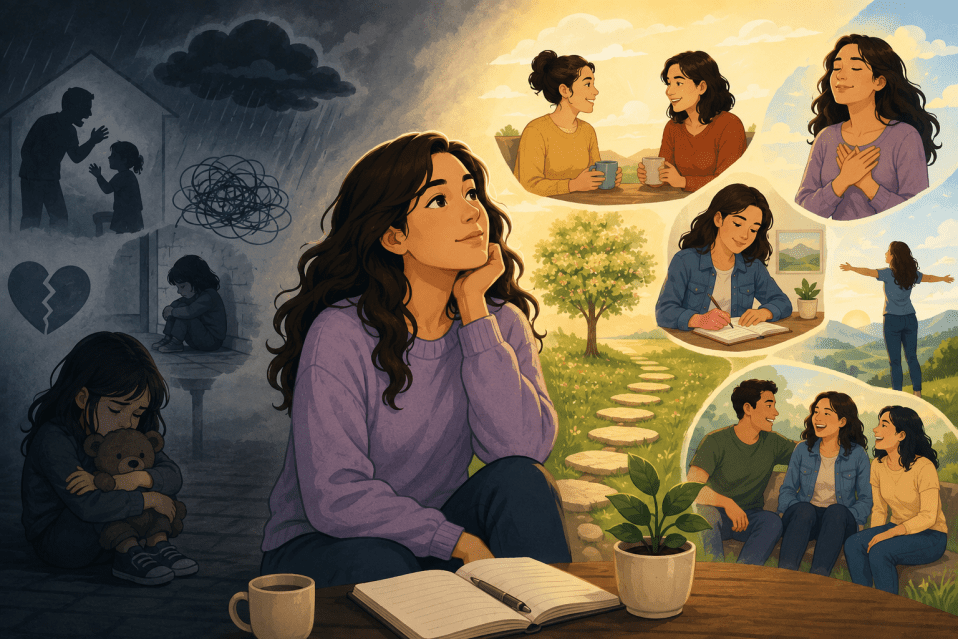
Childhood experiences can have a lasting influence on how people think, feel, behave and relate to others in adulthood. Early relationships, family life, school experiences, safety, stability and emotional support can all shape a child’s developing understanding of themselves and the world around them.
Positive childhood experiences can help build confidence, resilience and healthy relationships. Difficult experiences may increase the risk of anxiety, depression, low self-esteem, relationship problems and other mental health challenges later in life.
However, childhood experiences do not determine a person’s future. Many adults who experienced adversity as children go on to lead healthy and fulfilling lives. Understanding the connection between childhood experiences and adult mental health can be an important first step towards healing and change.
Why Are Childhood Experiences So Important?
Childhood is a period of rapid emotional, social and psychological development. During these early years, children learn whether the world feels safe, whether adults can be trusted and whether their feelings and needs are important.
A child’s brain develops in response to their environment. Consistent care, affection and reassurance can support emotional regulation and a sense of security. In contrast, ongoing fear, instability or neglect may cause a child to remain alert to possible danger.
Children also learn how to manage emotions by watching and interacting with the adults around them. When a child receives comfort during difficult moments, they begin to learn that distress can be managed. When emotional needs are ignored, criticised or punished, the child may struggle to understand and express their feelings.
These early lessons can continue influencing mental health in adulthood.
What Are Adverse Childhood Experiences?
Adverse childhood experiences, often known as ACEs, are difficult or potentially traumatic experiences that happen before the age of 18.
They may include:
- physical, emotional or sexual abuse
- emotional or physical neglect
- domestic abuse within the home
- parental separation or family breakdown
- living with a parent who has addiction or serious mental health difficulties
- bereavement or the loss of an important caregiver
- bullying or discrimination
- poverty, homelessness or food insecurity
- exposure to violence or criminal behaviour
- having a parent or close family member in prison
Not everyone who experiences childhood adversity will develop mental health difficulties. The effects depend on many factors, including the severity and duration of the experience, the child’s age, their temperament and whether they had support from a safe and trusted adult.
Protective relationships can make a significant difference. One dependable adult can help a child feel valued, understood and less alone.
Childhood Experiences and Adult Anxiety
Adults who grew up in unpredictable or unsafe environments may remain highly alert to danger.
As children, they may have learned to closely monitor other people’s moods, behaviour and facial expressions in order to stay safe. In adulthood, this can appear as overthinking, excessive worry, people-pleasing or difficulty relaxing.
A person might frequently expect something to go wrong, even when there is no immediate threat. They may struggle with uncertainty, fear making mistakes or feel responsible for preventing conflict.
Physical symptoms can also occur, including muscle tension, disturbed sleep, headaches, digestive problems and a racing heartbeat.
These reactions are not signs of weakness. They may be learned survival responses that continued after the original danger had passed.
Childhood Experiences and Depression
Difficult childhood experiences can also affect a person’s sense of worth and hope for the future.
A child who is repeatedly criticised, rejected or ignored may begin to believe that they are unlovable, unwanted or not good enough. These beliefs can continue into adulthood and contribute to low self-esteem, guilt, shame and depression.
Adults affected by childhood experiences may struggle to recognise their strengths or accept positive feedback. They may be highly critical of themselves and assume that mistakes prove they have failed.
Depression can also develop when a person has spent years suppressing emotions or carrying unresolved grief, fear and anger.
How Childhood Experiences Affect Relationships
Early relationships often shape expectations of later relationships.
When caregivers are loving, reliable and emotionally available, children are more likely to develop a secure sense of attachment. They may find it easier to trust other people, communicate their needs and manage conflict.
When care is inconsistent, frightening or emotionally unavailable, relationships may feel more complicated.
In adulthood, this can lead to:
- fear of abandonment
- difficulty trusting people
- becoming overly dependent on a partner
- avoiding emotional closeness
- staying in unhealthy relationships
- struggling to set boundaries
- becoming distressed by criticism or disagreement
- constantly seeking reassurance
Some adults may want close relationships while also feeling afraid of being hurt. This can create a pattern of moving towards people and then pulling away.
Childhood Experiences and Self-Esteem
Children often assume that their experiences reflect something about who they are.
A child who is neglected may not understand that the adults around them were unable to meet their needs. Instead, they may conclude that they were not worth caring for.
Similarly, children exposed to criticism may develop an internal voice that continues repeating those messages in adulthood.
Low self-esteem can affect education, employment, friendships and romantic relationships. A person may underestimate their abilities, avoid opportunities or accept poor treatment because they do not believe they deserve better.
Healing often involves recognising that childhood beliefs were formed in difficult circumstances and may not reflect the truth about the adult they have become.
Emotional Regulation and Coping Strategies
Emotional regulation is the ability to understand and manage feelings without becoming completely overwhelmed.
Children usually develop this ability through supportive relationships. When adults help them name emotions, offer comfort and model healthy coping, children gradually learn to manage distress.
Without this support, a child may rely on whatever coping strategies are available.
In adulthood, these strategies may include:
- avoiding difficult emotions
- shutting down during conflict
- becoming angry or defensive
- overworking
- people-pleasing
- using alcohol or drugs
- emotional eating
- self-harm
- withdrawing from other people
These behaviours may have developed to help the person survive overwhelming situations. Although they can create problems later, understanding their original purpose can reduce shame and support change.
The Impact of Childhood Trauma on the Body
Stressful childhood experiences do not only affect thoughts and emotions. They can also influence the body’s stress response.
A child living with ongoing fear or instability may spend long periods in a state of fight, flight or freeze. Their body remains prepared to react to danger.
In adulthood, the nervous system may continue responding strongly to stress. The person might feel easily startled, emotionally overwhelmed or constantly on edge.
Others may experience numbness, disconnection or extreme tiredness. This can happen when the body uses a freeze or shutdown response to cope with overwhelming situations.
Trauma can therefore affect sleep, concentration, memory, energy and physical wellbeing as well as mental health.
Why People Respond Differently to Similar Experiences
Two people can experience similar events but be affected in very different ways.
Factors that may influence the impact of childhood adversity include:
- the child’s age when it happened
- how long the experience continued
- whether the child felt responsible
- the presence of supportive adults
- access to professional help
- personality and coping style
- wider family and community support
- later positive life experiences
Resilience does not mean that someone was unaffected. It means they developed ways to adapt and continue, often despite significant difficulty.
Signs That Childhood Experiences May Be Affecting You
Possible signs include:
- intense fear of rejection or abandonment
- difficulty trusting people
- low self-worth or persistent shame
- feeling responsible for everyone else
- struggling to identify or express emotions
- becoming overwhelmed by conflict
- perfectionism or fear of failure
- difficulty saying no
- repeating unhealthy relationship patterns
- feeling emotionally numb or disconnected
- unexplained anxiety, sadness or anger
- strong reactions to situations that feel familiar
Having some of these experiences does not automatically mean you have unresolved childhood trauma. However, exploring repeated patterns can help you better understand your emotional needs.
Healing From Difficult Childhood Experiences
Healing does not require forgetting the past or pretending that it did not matter. It involves understanding how past experiences continue to affect the present and developing healthier ways of responding.
Recognise That Your Reactions Make Sense
Behaviours that now feel frustrating may once have helped you cope. Understanding this can replace self-blame with compassion.
Notice Repeated Patterns
Pay attention to situations that trigger strong emotional reactions. Ask yourself whether the current event feels connected to an earlier experience.
Challenge Childhood Beliefs
Thoughts such as “I am not good enough” or “I must keep everyone happy” may have been learned in childhood. They can be questioned and replaced with more balanced beliefs.
Practise Healthy Boundaries
Learning to say no, ask for support and protect your emotional wellbeing can be an important part of recovery.
Build Safe Relationships
Supportive relationships can help create new experiences of trust, respect and emotional safety.
Consider Professional Support
Counselling and talking therapies can help people understand childhood experiences and their impact. Trauma-informed therapy focuses on creating safety and avoiding blame while helping the person process difficult emotions at a manageable pace.
When to Seek Help
Consider speaking to a GP or mental health professional when childhood experiences are affecting your:
- relationships
- sleep
- mood
- confidence
- ability to work or study
- use of alcohol or drugs
- ability to manage emotions
- sense of safety
- thoughts about self-harm or suicide
You do not need to remember every detail of your childhood or prove that your experiences were “bad enough” to seek support. What matters is how you are feeling now.
Final Thoughts
Childhood experiences can shape adult mental health by influencing beliefs, emotional responses, coping strategies and relationships. Difficult early experiences may increase vulnerability to anxiety, depression, low self-esteem and trauma-related symptoms.
However, the past does not have to control the future.
With understanding, supportive relationships and professional help when needed, people can learn new ways to manage emotions, build confidence and develop healthier relationships. Healing may take time, but meaningful change is possible at any stage of life.


Post a comment