

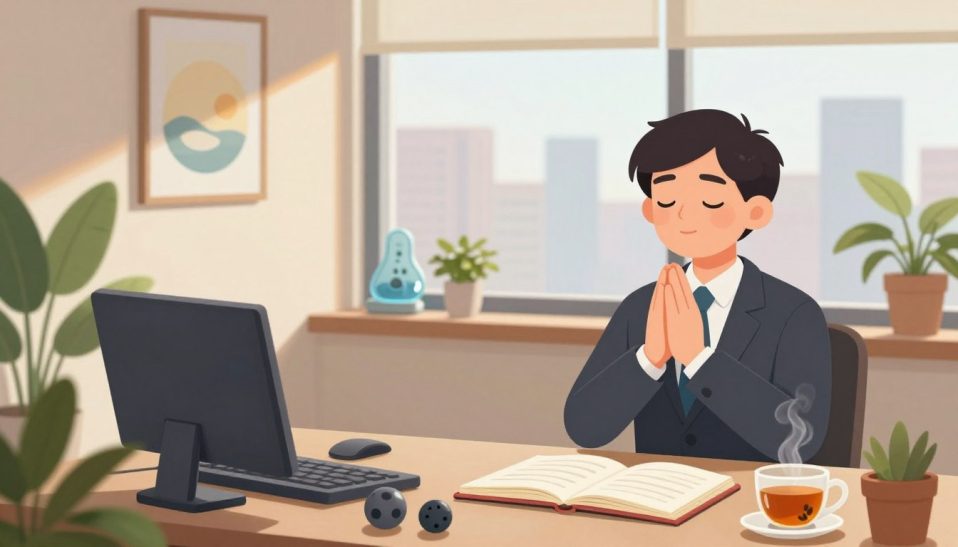
Modern society moves at a rapid pace, often leaving us feeling overwhelmed by constant demands. While a small amount of pressure is a natural part of our human experience, chronic tension can quietly erode your long-term health and happiness. Prioritising your mental wellbeing is no longer a luxury; it is a necessity for a balanced existence.
Recognising the signs of burnout early allows you to regain control before the situation escalates. The first essential step involves identifying the root causes of your anxiety. By understanding what triggers your tension, you become better equipped at dealing with stress in a constructive manner.
Viewing these challenges as opportunities for personal growth transforms your perspective. When you master the art of Coping with Stress in Everyday Life, you build resilience that serves you well throughout your journey. Start today by making small, intentional changes to protect your peace of mind.
Understanding the Physiology of Stress
When you feel overwhelmed, your body is actually following an ancient, hard-wired survival script. This biological mechanism releases hormones like cortisol and adrenaline to prepare you for immediate action. Managing stress effectively requires us to acknowledge that these chemical surges are natural, even if they feel uncomfortable in our daily lives.

The Fight or Flight Response in Modern Contexts
Historically, this response helped our ancestors escape physical danger. Today, however, our brains often struggle to distinguish between a genuine threat and a stressful email from a manager or a busy commute. Dealing with stress becomes difficult because these modern triggers keep our nervous systems in a state of constant, low-level alert.
When we remain in this heightened state for too long, the body struggles to return to its baseline. This chronic activation can lead to exhaustion, as the system is never given the chance to fully recover. Recognising this pattern is a vital step in managing stress before it impacts your long-term health.
Recognising Physical and Emotional Warning Signs
Your body often sends subtle signals long before you reach a point of total burnout. Common physical indicators include persistent muscle tension, particularly in the shoulders and jaw, or unexplained headaches. You might also notice that your sleep quality begins to suffer, leaving you feeling drained regardless of how much rest you get.
Emotional warning signs are equally important to monitor. You may find yourself feeling unusually irritable, anxious, or detached from tasks you once enjoyed. By paying attention to these early indicators, you can take proactive steps to restore your balance and protect your mental wellbeing.
Practical Strategies for Coping with Stress in Everyday Life
Modern life often feels overwhelming, but you have the power to regain control through intentional habits. By managing stress effectively, you can protect your long-term wellbeing and maintain a clearer perspective during busy periods.
Prioritising Tasks with Time Management Techniques
One of the most effective stress management techniques involves breaking down large projects into smaller, manageable steps. When you use tools like the Eisenhower Matrix, you can distinguish between urgent tasks and those that truly matter.
Focusing on high-priority items first prevents the feeling of being constantly behind. This structured approach helps to quiet the mind and reduces the anxiety that often stems from an unorganised to-do list.
The Role of Physical Activity in Hormone Regulation
Physical movement is a natural way to help your body process and metabolise stress hormones like cortisol. When you engage in regular activity, you provide your nervous system with a healthy outlet for built-up tension.

Benefits of Walking and Gentle Exercise
You do not need a high-intensity gym session to see results. Simple activities like walking offer significant mental clarity and help to improve your focus throughout the working day.
Gentle exercise encourages the release of endorphins, which act as natural mood lifters. These stress management tips are accessible to almost everyone and require very little equipment or preparation.
Incorporating Movement into a Busy Schedule
Even the most time-poor individuals can find moments for physical relief. Try taking a short walk during your lunch break or stretching for five minutes between meetings to reset your energy levels.
Consistency is far more important than duration when it comes to movement. By weaving these small habits into your day, you create a sustainable buffer against the pressures of modern life.
Mindfulness and Mental Wellbeing Techniques
Mindfulness offers a sanctuary for those navigating the pressures of modern life. By grounding yourself in the present, you can effectively navigate moments of high anxiety. These stress relief techniques serve as a vital anchor when the world feels overwhelming.
Developing a Consistent Meditation Practice
You do not need hours of silence to reap the benefits of meditation. Even five minutes each morning can help you centre your thoughts before the day begins. Consistency is far more important than the duration of your practice.
Start by finding a quiet space where you can sit comfortably. Focus entirely on the rhythm of your breath, allowing any intrusive thoughts to drift away like clouds. This simple habit is one of the most effective stress management techniques for long-term emotional balance.
Breathing Exercises for Immediate Calm
When you feel tension rising, your body often enters a state of high alert. Specific breathing patterns can help you manually override this response by activating the parasympathetic nervous system. These methods work quickly to lower your heart rate and restore a sense of inner peace.
Box Breathing Methods
Box breathing is a rhythmic technique used by professionals to maintain focus under pressure. First, inhale slowly through your nose for a count of four. Hold that breath for four seconds, then exhale steadily for another four seconds.
Finally, hold your lungs empty for a count of four before starting again. This structured approach creates a reliable rhythm that signals safety to your brain. It is a highly practical tool for anyone seeking reliable stress management techniques.
The 4-7-8 Technique Explained
The 4-7-8 method is another powerful way to soothe your nervous system. Begin by exhaling completely through your mouth, making a gentle whooshing sound. Close your mouth and inhale quietly through your nose to a count of four.
Hold your breath for a count of seven, then exhale completely through your mouth for eight seconds. This rhythmic cycle acts as a natural tranquilliser for the body. Practising these stress relief techniques regularly will help you maintain calm throughout your busiest days.
Building Resilience Through Lifestyle Adjustments
Resilience is not an innate trait but a skill developed through intentional daily choices. By focusing on foundational habits, you can create a robust buffer against the pressures of modern life. These stress reduction strategies help you maintain emotional stability even during challenging times.
The Importance of Sleep Hygiene for Stress Reduction
Quality rest acts as the cornerstone of your mental wellbeing. When you prioritise sleep, your brain effectively processes the day’s events, which is essential for emotional regulation and cognitive function.
Consistent sleep patterns allow your nervous system to recover from daily strain. Establishing a calming bedtime routine, such as reading or gentle stretching, signals to your body that it is time to unwind. This simple habit is one of the most effective stress relief techniques available.
Nutritional Choices That Support Nervous System Health
What you consume directly influences your body’s ability to manage tension. A balanced diet provides the necessary nutrients to keep your nervous system functioning optimally throughout the day.
Foods to Include for Better Mood Stability
Incorporating whole foods like oily fish, leafy greens, and complex carbohydrates can significantly improve your mood. These foods provide steady energy, preventing the sharp drops in blood sugar that often lead to irritability. Nutrient-dense meals are vital for maintaining a calm and focused mind.
Managing Caffeine and Sugar Intake
While a morning coffee might feel helpful, excessive stimulants often trigger the body’s fight or flight response. High sugar intake can also lead to energy crashes, which exacerbate feelings of anxiety and fatigue.
By moderating your consumption of these substances, you avoid unnecessary spikes in cortisol. Choosing herbal teas or water instead helps you implement sustainable stress reduction strategies that support long-term health. Prioritising these mindful adjustments will empower you to navigate daily life with greater ease.
Cultivating Supportive Social Connections
Cultivating meaningful social bonds serves as a powerful buffer against the pressures of modern life. When we share our experiences with trusted individuals, we often find that our burdens feel lighter and more manageable. Prioritising these connections is one of the most essential stress management tips for long-term emotional health.
Building a robust network of friends, family, or colleagues provides a safety net during difficult times. These relationships act as vital stress coping mechanisms, offering perspective and comfort when we feel overwhelmed. Connecting with others reminds us that we do not have to face our challenges in isolation.
Setting Healthy Boundaries in Personal and Professional Relationships
Maintaining strong social ties requires clear communication and the ability to say no when necessary. Setting healthy boundaries is crucial for protecting your energy and preventing unnecessary conflict in your daily life. By defining what you can and cannot commit to, you create a space where your relationships can flourish without resentment.
In a professional setting, this might mean clearly stating your availability or delegating tasks that fall outside your remit. Within personal relationships, it involves being honest about your emotional capacity. Establishing these limits is a sign of self-respect and ensures that your interactions remain positive and sustainable.
Seeking Professional Support When Stress Becomes Overwhelming
Sometimes, even the strongest support network is not enough to manage the weight of chronic pressure. Recognising when you need extra help is a sign of strength, not a weakness. Normalising the act of reaching out to a therapist or counsellor is a key part of effective stress management tips.
Professional guidance provides you with tailored stress coping mechanisms that are specific to your unique situation. Whether you speak to a GP or a mental health specialist, seeking support early can prevent minor issues from escalating. Taking this step is a proactive way to invest in your future wellbeing and regain a sense of balance.
Embracing a Balanced Approach to Long-Term Wellness
Mastering the art of calm requires a shift in perspective. Coping with Stress in Everyday Life is a continuous journey rather than a single destination. It demands patience and self-compassion as you navigate the complexities of modern living.
You possess the power to transform your wellbeing through small, intentional choices. Integrating effective stress reduction strategies into your daily routine builds a foundation for lasting resilience. Consistency remains the most vital component of this process.
Small, incremental changes often yield the most significant improvements in your quality of life. Start by choosing one technique that resonates with your personal needs today. You might find that simple adjustments to your habits create a profound sense of balance.
Your commitment to your mental health serves as a gift to your future self. Share your experiences with friends or family to foster a supportive environment. Which of these habits will you commit to starting this week?
FAQ
What is the first step towards effectively coping with stress in everyday life?
The most essential first step in dealing with stress is identifying the root causes of your anxiety. Whether it is a demanding workload or personal pressures, recognising these triggers allows you to move from a state of chronic tension to a proactive approach. Understanding that stress management is a vital skill for personal growth helps you maintain long-term health and happiness.
How does the “fight or flight” response impact me in a modern environment?
While the release of cortisol and adrenaline was historically meant for survival, today it is often triggered by office deadlines or traffic. This physiological shift can lead to muscle tension, irritability, and persistent fatigue. Managing stress effectively requires us to recognise these physical and emotional warning signs early on to prevent total burnout.
Can you suggest some practical stress management tips for someone with a busy schedule?
Absolutely. One of the best stress reduction strategies is prioritising tasks using proven time management techniques to avoid feeling overwhelmed. Additionally, incorporating movement is vital; even gentle exercise, such as a brisk walk through Hyde Park or a quick session using the NHS Couch to 5K app, helps to metabolise stress hormones and clear the mind.
What are some immediate stress relief techniques I can use during a high-pressure moment?
Mindfulness and breathing exercises are incredibly powerful for grounding yourself. You might try box breathing or the 4-7-8 technique, which involves inhaling for four seconds, holding for seven, and exhaling for eight. These methods activate your parasympathetic nervous system, helping to lower your heart rate and restore a sense of inner peace almost instantly.
Why is sleep hygiene so important for building resilience?
Quality rest is the cornerstone of cognitive function and emotional regulation. By improving your sleep hygiene—perhaps by using a Lumie bodyclock or the Calm app to unwind—you allow your nervous system to recover. This is a fundamental part of many successful stress management techniques, as it prepares your mind to handle the pressures of the following day.
How do my nutritional choices influence my stress coping mechanisms?
Your diet plays a major role in mood stability. To support your nervous system, focus on whole foods and try to manage your caffeine and sugar intake to avoid energy crashes. Choosing balanced snacks, like those from Graze, can help maintain steady energy levels, making it easier to remain calm when facing daily challenges.
When should I consider seeking professional support for managing stress?
It is important to recognise when self-help strategies are no longer enough. If stress becomes overwhelming or starts to affect your daily functioning, seeking professional help from organisations like Mind or your local NHS GP is a sign of strength. Normalising the act of asking for help is one of the most effective stress coping mechanisms for long-term mental wellbeing.


Post a comment