

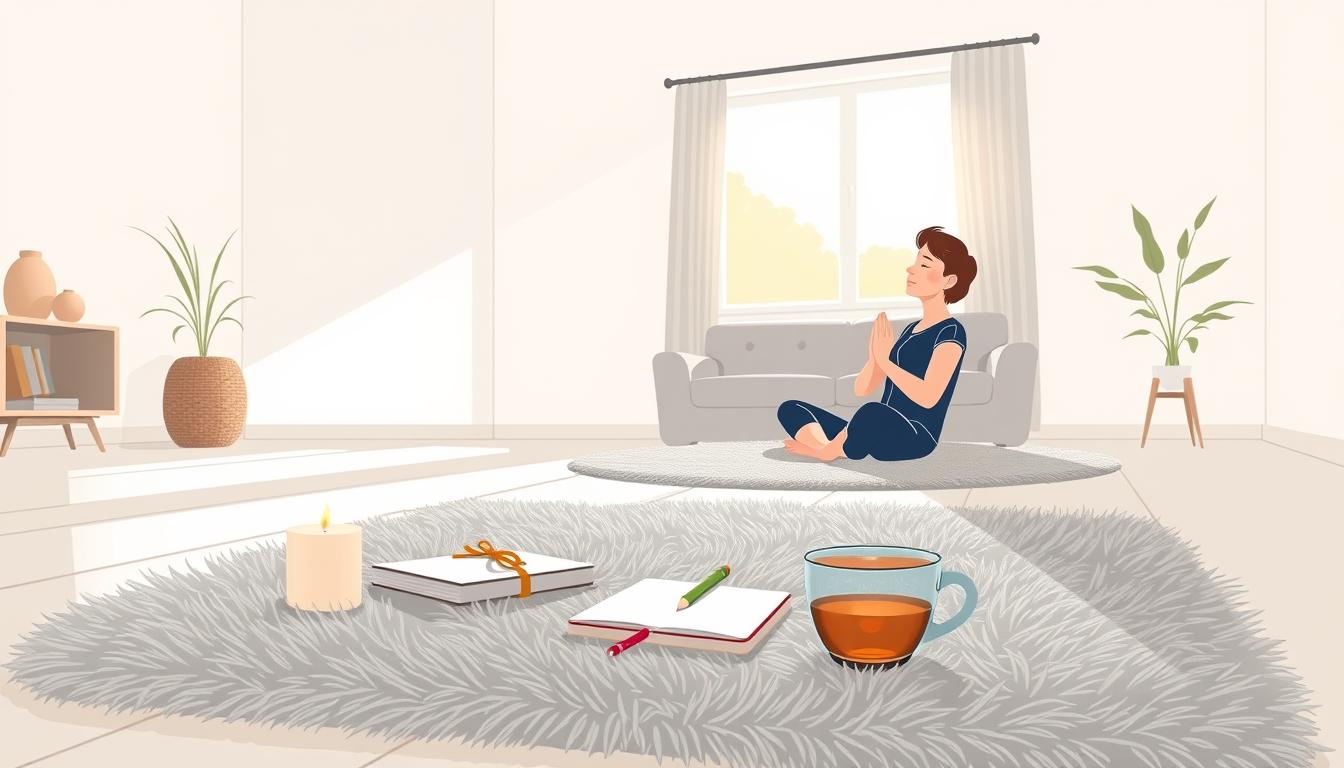
In today’s fast-paced world, many people face challenges like work-life imbalance, financial stress, and health concerns. These pressures can take a toll on your emotional balance. Taking self-care of your wellbeing is more important than ever.
According to the NHS, maintaining your mental health during difficult times requires proactive steps. Recent data from the ONS shows that 21% of adults in the UK experienced depression in 2023. This highlights the need for effective strategies to support your emotional state.
You don’t need elaborate routines to make a difference. Small, time-efficient practices can have a significant impact. This article explores 12 evidence-based things you can do to feel better right away.
Key Takeaways
- Modern stressors like financial anxiety and health concerns affect emotional balance.
- Proactive steps are essential for maintaining mental health during crises.
- Recent data shows 21% of UK adults experienced depression in 2023.
- Effective strategies do not require elaborate routines.
- Time-efficient practices can significantly improve wellbeing.
Why Self-Care is Essential for Mental Wellbeing
Balancing daily responsibilities can often leave little room for personal reflection. This lack of attention to your own needs can lead to significant problems over time. According to the Mental Health Foundation, 74% of UK adults regularly feel overwhelmed by stress. This highlights the importance of prioritising your mental health wellbeing.
Self-care is not just a luxury; it’s a necessity. Research from the University of Cambridge shows that mindfulness practices can reduce cortisol levels, helping you manage stress more effectively. Consistent self-care has also been linked to a 30% reduction in anxiety rates, as found by NHS Digital.

There’s a common misconception that self-care is indulgent or selfish. However, charities like Mind emphasise that it’s a vital part of maintaining your health. It’s about creating a sustainable way to cope with life’s challenges.
The Royal College of Psychiatrists uses the “stress container” analogy to explain this. Imagine your mind as a container. Without regular self-care, the container overflows, leading to burnout. By taking small, consistent steps, you can prevent reaching breaking points and build resilience.
Incorporating self-care into your routine isn’t just about feeling better in the moment. It’s about creating a foundation for long-term mental health wellbeing. Start small, and you’ll notice the difference it makes in your life.
Watch the Sunrise or Sunset
Taking a few minutes to connect with nature can refresh your perspective. Watching the sunrise or sunset is a simple yet powerful way to ground yourself. According to a study by the University of Exeter, just 20 minutes of daily nature exposure can significantly lower stress hormones.

Daylight exposure also helps regulate your circadian rhythm. The British Sleep Society highlights that natural light signals your body to wake up or wind down, improving sleep quality. This makes sunrise and sunset ideal times to align your internal clock.
For practical tips, use the Time and Date website to find local sunrise and sunset times. This ensures you don’t miss these fleeting moments. One Brighton resident shared their experience after a 7-day sunset-walking challenge. They reported feeling calmer and more present, with a noticeable improvement in their mindset.
“Watching the sunset became my daily ritual. It helped me disconnect from the chaos and reconnect with myself.”
However, avoid the temptation to document everything on social media. Focusing on capturing the perfect photo can distract you from the experience. Instead, immerse yourself fully in the moment. This mindfulness approach ensures you’re truly feeling the benefits.
Incorporating this practice into your day can be transformative. Whether it’s the quiet of dawn or the calm of dusk, these moments offer a chance to pause and reflect. Start today, and you’ll notice the difference it makes in your daily life.
Take a Leisurely Walk
Stepping outside for a leisurely stroll can be a refreshing escape from daily pressures. According to the Ramblers Association, 45% of Brits walk less than 30 minutes a day. Increasing this time can significantly improve your health and overall wellbeing.
Research shows that just 15 minutes of walking can boost concentration and reduce stress. The NHS is even trialling “park prescriptions” to encourage people to spend more time outdoors. This highlights the importance of incorporating a walk into your routine.
If you’re unsure where to start, explore popular urban routes like London’s Parkland Walk or Manchester’s Irwell Sculpture Trail. The Ordnance Survey also recommends 1-mile circuits in local parks, making it easy to fit a walk into your day.
To enhance the experience, try mindful walking using the 5-4-3-2-1 grounding method. Notice five things you can see, four you can touch, three you can hear, two you can smell, and one you can taste. This technique helps you stay present and truly feel like you’re reconnecting with your surroundings.
Safety is also important, especially if you’re walking alone. Consider using a BSIA-approved personal alarm app for added peace of mind. These small steps ensure your walk is both enjoyable and secure.
Incorporating a leisurely walk into your routine is one of the simplest things you can do to improve your wellbeing. Whether it’s a short stroll or a longer exploration, the benefits are undeniable. Start today and notice the positive impact it has on your life.
Listen to a Feel-Good Playlist or Podcast
Engaging with soundscapes can transform your mood in moments. Whether it’s your favourite tunes or an inspiring podcast, these auditory experiences can provide a comforting escape. According to the British Academy of Sound Therapy, just 15 minutes of listening to calming music can reduce stress levels by up to 65%.
Curating your own playlist can be a deeply personal activity. Platforms like BBC Sounds offer ready-made options like the “Mindful Mix” for relaxation or the “Energy Boost” for motivation. Alternatively, you can use Spotify’s “Enhance” feature to automatically expand your playlist with similar tracks.
Podcasts are another excellent option. Fearne Cotton’s “Happy Place” and Deliciously Ella’s wellness series are popular choices in the UK. These shows often feature inspiring stories and practical tips that can make feel more connected and uplifted.
Create Your Own Playlist
For a creative challenge, try composing your personal anthem using free tools like BandLab. This can be a fun way to express yourself and reflect on what brings you joy. Share your playlist with a friend to spread positivity and strengthen your connection.
Listening to a feel-good playlist or podcast is a great way to take a break and recharge. Whether you have 15 minutes or an hour, this time spent can significantly improve your emotional state. Start today and notice the difference it makes in your day.
Read a Book
Escaping into a good book can be a transformative experience. According to The Reading Agency, just six minutes of reading can reduce stress by 68%. This makes it one of the most effective things you can do to improve your health and wellbeing.
For inspiration, take look at works by UK authors like Matt Haig and Dolly Alderton. Haig’s comfort reads, such as “The Midnight Library,” offer solace, while Alderton’s memoirs provide relatable insights into modern life. These books can help you feel like you’re not alone in your struggles.
Local libraries have also adapted to modern needs. During the pandemic, e-services like BorrowBox saw a 134% surge in usage. This shows how accessible reading has become, even from the comfort of your home.
If you’re short on time, try the Pomodoro technique. Set a timer for 25 minutes and focus solely on reading. Tools like LEUCHTTURM1917 timers can help you stay on track. This method ensures you make the most of your reading sessions.
In times of crisis, the National Literacy Trust’s emergency reading lists can be a lifeline. These curated selections offer comfort and guidance, proving that books are more than just stories—they’re tools for resilience.
- Six minutes of reading reduces stress by 68%.
- Explore works by Matt Haig and Dolly Alderton.
- BorrowBox usage surged by 134% during the pandemic.
- Use the Pomodoro technique for focused reading.
- National Literacy Trust offers crisis support through reading lists.
Reading is more than a pastime; it’s a way to reconnect with yourself and the world. Whether it’s a novel, memoir, or self-help book, the benefits are undeniable. Start today and discover the joy of losing yourself in a good book.
Declutter Your Space
A cluttered space can often lead to a cluttered mind, making it harder to focus and relax. According to the British Heart Foundation, the average UK home contains 56 unused things. Tackling this can be a transformative way to improve your surroundings and emotional state.
Start small with Marie Kondo-inspired 10-minute daily challenges. Focus on one area at a time, asking yourself if each item sparks joy. This method helps you take time to evaluate what truly matters, reducing overwhelm and anxiety.
For eco-friendly disposal, consider Freecycle UK donation hotspots or eBay for Business selling. These options not only clear your space but also benefit others. If you’re unsure where to begin, Hoarding Disorder UK offers practical guidelines to help you navigate the process.
Investing in storage solutions like Really Useful Boxes, available at NHS-discounted rates, can keep your space organised long-term. A tidy environment fosters clarity and calm, making it easier to focus on what truly matters.
“Decluttering isn’t just about tidying up; it’s about creating space for what brings you joy.”
By decluttering, you’re not just organising your home—you’re creating a more peaceful mindset. Start today and notice the difference it makes in your daily life.
Write a Journal Entry
Putting pen to paper can help you gain clarity and perspective. Journaling is a powerful tool for self-reflection, allowing you to process thoughts and emotions effectively. According to a University of Cambridge study, just 15 minutes of daily journaling can lower rumination and reduce stress levels.
If you’re unsure where to start, take look at these prompts: “Today I overcame…” or “My safe space is…”. These questions can guide your writing and help you explore your inner world. Journaling isn’t about perfection; it’s about expressing what you’re feeling in the moment.
Journal Prompts to Get Started
- “What am I grateful for today?”
- “What challenges did I face, and how did I handle them?”
- “What brings me joy, and how can I incorporate more of it into my life?”
For those who prefer digital tools, the Day One app offers a seamless journaling experience. Alternatively, Pen Heaven’s therapist-approved notebooks provide a tactile and personal approach. Both options can support your journey towards better emotional wellbeing.
In times of crisis, the WRAP (Wellness Recovery Action Plan) templates can be particularly helpful. These structured guides help you identify triggers and coping strategies, offering a clear path forward. Additionally, Mind’s peer-reviewed journaling workshops provide a sense of community and shared understanding.
“Journaling has been my anchor during tough times. It helps me process my thoughts and find solutions to my problems.”
Whether you choose to write daily or occasionally, journaling can be a transformative practice. It’s a safe space to explore your thoughts, gain clarity, and build resilience. Start today and see the difference it makes in your life.
Try Meditation
Finding moments of calm in a busy day can feel challenging, but meditation offers a practical solution. According to the UK Meditation Survey 2023, 42% of participants reported better sleep quality after incorporating this practice into their routine. It’s a simple yet effective way to support your health and emotional balance.
If you’re new to meditation, NHS-approved apps like MediCat and Balance can guide you. Both offer free subscriptions, making it easier to start your journey. These tools provide structured sessions, helping you focus your mind and reduce feelings of anxiety.
One popular technique is the RAIN method: Recognise, Allow, Investigate, and Nurture. This approach encourages you to acknowledge your emotions without judgment, fostering a sense of inner peace. It’s particularly useful during stressful moments, helping you regain control over your thoughts.
Workplaces are also recognising the benefits of meditation. ACAS guidelines now encourage employers to allow short breaks for mindfulness practices. These moments of reflection can improve focus and productivity, benefiting both employees and organisations.
“Meditation has been my anchor during tough times. It helps me process my thoughts and find solutions to my problems.”
In times of crisis, Mindful.org’s emergency 3-minute breathing space can be a lifeline. This quick exercise helps you ground yourself, offering immediate relief from overwhelming emotions. It’s a reminder that even small things can make a big difference.
Whether you’re at home, work, or on the go, meditation is a versatile practice. Start with just a few minutes a day, and you’ll soon notice the positive impact on your health and wellbeing.
Take a Break from Social Media and News
Constant exposure to digital content can create a sense of overwhelm and disconnect. According to Ofcom, the average UK adult checks their phone every 12 minutes. This constant connectivity can add to the pressure of daily life, leaving you feeling drained.
One effective way to manage this is by setting Screen Time limits on your devices. Alternatively, physical lockboxes like K-Safe products can help you disconnect entirely. These tools allow you to reclaim your time and focus on what truly matters.
If you’re looking for alternatives, consider BBC’s The Happiness Podcast or the Positive News app. These platforms offer uplifting content that can help you feel like you’re staying informed without the negativity. They’re a great way to balance your media consumption.
Workplaces are also recognising the importance of digital detox. The CIPD’s right-to-disconnect guidelines encourage employees to set boundaries with their devices. This policy supports better health and productivity by reducing the constant pressure to stay connected.
“Taking a break from social media has been a game-changer for me. It’s helped me focus on my wellbeing and reconnect with the people around me.”
In moments of crisis, remember that support is always available. The Samaritans’ 116 123 hotline is a lifeline for those feeling overwhelmed. Taking a step back from the digital world can be a powerful way to protect your emotional wellbeing.
By reducing your exposure to social media and news, you can create space for reflection and calm. Start small, and you’ll notice the positive impact it has on your daily life.
Learn Something New
Exploring new skills can open doors to personal growth and fulfilment. Whether it’s picking up a hobby or mastering a professional skill, learning can be a transformative way to spend your time. It’s not just about acquiring knowledge; it’s about building confidence and expanding your horizons.
According to the Open University, 78% of learners report increased self-esteem after acquiring new skills. This highlights the emotional benefits of engaging in a learning activity. It’s a powerful reminder that education isn’t just about career advancement—it’s about personal development too.
Free Resources for Learning
There are plenty of accessible options to start your learning journey. YouTube tutorials, for instance, offer step-by-step guidance on a wide range of topics. From cooking to coding, these videos can support your goals without costing a penny.
Government initiatives like the Skills Toolkit and the National Careers Service also provide valuable resources. These platforms are designed to help you develop skills that are in demand, making it easier to pivot your career or explore new interests.
- City Lit: Offers pay-what-you-can courses, making learning accessible to everyone.
- FutureLearn: A Manchester resident successfully transitioned into UX design using this platform.
- Signature: Provides British Sign Language courses, ensuring inclusivity for all learners.
“Learning something new gave me the confidence to take on challenges I never thought possible.”
Whether you’re looking to enhance your career or simply try something different, there’s no better time to start. With so many free resources available, the only limit is your curiosity. Take the first step today and discover the joy of learning something new.
Call a Friend or Family Member
Connecting with loved ones can be a powerful way to combat feelings of isolation. According to Age UK, 1.4 million elderly Brits go months without a meaningful conversation. This highlights the importance of staying in touch with those who matter most in your life.
One effective technique is Compassionate Communications, developed by Dr. Rosenberg. This model encourages active listening and empathetic responses, helping you build deeper connections. It’s a simple yet impactful way to feel like you’re truly understood and valued.
Technology can also bridge the gap. Tools like WhatsApp voice notes and Marco Polo video messaging make it easier to stay connected, even when you’re apart. These platforms allow you to share moments and maintain relationships, providing much-needed support.
In times of crisis, services like SHOUT’s 85258 text line are invaluable. Usage data shows that many people turn to this resource for immediate help. It’s a reminder that you’re never alone, and help is always available.
Community initiatives like The Chatty Cafe Scheme also play a vital role. With locations across the UK, these cafes encourage face-to-face interactions, fostering a sense of belonging. It’s a wonderful way to meet new people and strengthen your social network.
“A simple phone call can brighten someone’s day and remind them they’re not alone.”
Whether it’s a quick chat or a heartfelt conversation, reaching out to a friend or family member can make a big difference. Start today and notice the positive impact it has on your emotional health.
Conclusion
Prioritising your emotional balance is essential in navigating life’s challenges. Recent ONS data highlights that many face long wait times for mental health services, underscoring the need for proactive steps. If you’re in crisis, Mind’s “In Crisis?” flowchart can guide you to immediate support.
For urgent help, dial 999 or 111. These services are available 24/7 to ensure you’re never alone. Additionally, the NHS’s Every Mind Matters platform offers valuable resources to help you take care of your wellbeing.
Recent CQC reports show improvements in community mental health services, offering hope for better access and support. Taking time to focus on your emotional health is a vital step towards a more balanced life. Start today, and remember, help is always within reach.
FAQ
Why is taking time for yourself important for mental wellbeing?
Prioritising yourself helps reduce stress, improves mood, and allows you to recharge. It’s a way to manage pressure and maintain balance in your life.
How can watching a sunrise or sunset help my mind?
Observing nature’s beauty can calm your thoughts, reduce anxiety, and provide a moment of mindfulness, helping you feel more grounded.
What are the benefits of a leisurely walk?
Walking clears your mind, boosts endorphins, and provides a break from daily worries. It’s a great way to refresh your perspective.
How does music or a podcast improve my mood?
Listening to something uplifting can shift your focus, reduce stress, and make you feel more positive. It’s a quick way to lift your spirits.
Why is reading a book a good idea for mental health?
Reading distracts your mind from problems, reduces stress, and can help you relax. It’s a healthy escape from daily pressures.
How does decluttering my space help me feel better?
A tidy environment can reduce feelings of overwhelm and create a sense of calm. It’s a practical way to improve your mental state.
What are the benefits of writing in a journal?
Journaling helps you process emotions, organise thoughts, and gain clarity. It’s a therapeutic way to address your worries.
How can meditation support my mental health?
Meditation reduces anxiety, improves focus, and promotes relaxation. Even a few minutes can make a difference to your day.
Why should I take a break from social media and news?
Stepping away from constant updates can reduce stress and prevent feelings of overwhelm. It’s a way to protect your mental space.
How does learning something new benefit my mind?
Engaging in new activities boosts confidence, keeps your brain active, and provides a sense of accomplishment. It’s a positive way to spend your time.
Why is calling a friend or family member helpful?
Connecting with loved ones provides emotional support, reduces feelings of isolation, and can make you feel more connected and valued.


Post a comment