

Podcast
Living with attention-deficit hyperactivity disorder means your brain processes information differently from neurotypical individuals. This neurodevelopmental condition typically emerges in childhood and frequently continues into adult life. Rather than a behavioural choice, it stems from distinct wiring in the frontal lobe, which governs planning, focus, and impulse management.
You might experience challenges with maintaining attention on routine tasks or controlling sudden urges to act. These difficulties often coexist with remarkable creativity and problem-solving abilities. The condition manifests uniquely in each person – some struggle predominantly with organisation, while others grapple with restless energy or impulsive decisions.
Contrary to outdated beliefs, this isn’t a result of poor parenting or lack of discipline. Modern research reveals structural differences in brain development that affect executive functions. Recognising these neurological variations helps explain why traditional strategies for concentration often prove ineffective for those with the condition.
Key Takeaways
- ADHD represents a lifelong neurodevelopmental condition affecting attention regulation and impulse control
- Brain structure differences, particularly in the frontal lobe, influence executive functioning
- Symptoms vary significantly between individuals, ranging from inattention to hyperactive behaviours
- The condition carries both challenges and distinctive cognitive strengths
- Proper diagnosis helps differentiate ADHD from typical developmental phases
- Management strategies should account for neurological differences rather than willpower
Introduction to ADHD
Many families discover that ADHD’s roots lie in genetic connections across generations. This neurodevelopmental condition reflects natural variations in brain wiring, not flaws or failures. Understanding these differences helps create supportive environments where people can thrive.
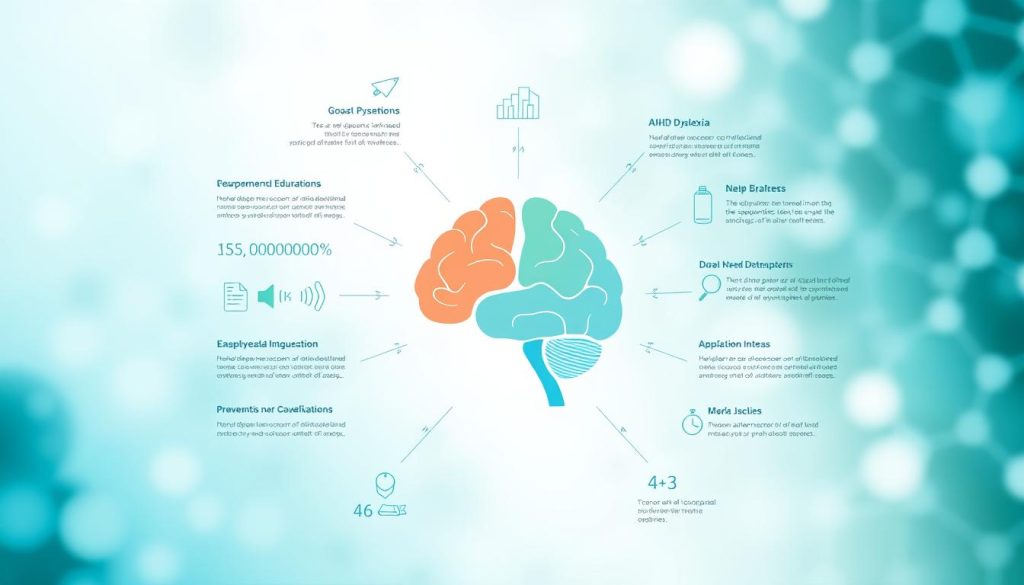
Understanding Neurodevelopmental Disorders
Neurodevelopmental conditions like ADHD involve distinct patterns in brain growth. Research shows 75% of cases have a family history, highlighting strong genetic links. As one specialist notes: “These differences begin early but don’t define potential – they reshape how we approach learning and living.”
Key aspects include:
- Brain development pathways differing from typical trajectories
- Strengths in creative problem-solving and dynamic thinking
- Challenges with conventional organisational methods
Why Awareness Matters for You and Your Family
October’s ADHD Awareness Month campaigns tackle harmful myths. Early recognition in children leads to timely support, improving educational and social outcomes. Families who understand these conditions often report:
- Stronger advocacy in schools and healthcare settings
- Better access to tailored strategies for daily life
- Reduced stigma through community connections
Building awareness helps reframe neurodivergence as cognitive diversity – a perspective that benefits workplaces, classrooms, and relationships. By recognising unique needs, you empower loved ones to harness their distinctive strengths.
What is ADHD: A Comprehensive Overview
Recognising how this condition manifests differently helps explain why personalised approaches matter. While core characteristics remain consistent, three distinct presentations shape daily experiences – each requiring tailored strategies.
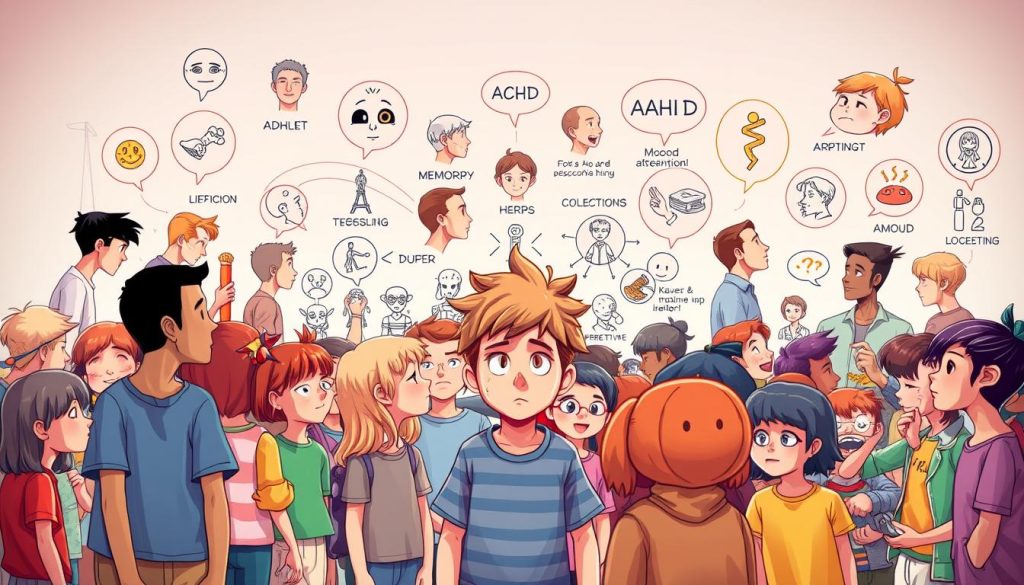
Defining the Condition and Its Variants
The predominantly inattentive presentation often involves losing track of conversations or struggling with multi-step tasks. You might find it challenging to sustain focus during routine activities, even when trying your hardest. This variant accounts for many undiagnosed cases, particularly in girls.
With the hyperactive-impulsive type, physical restlessness and impulsive decisions dominate. Difficulty waiting your turn or resisting interruptions characterises this presentation. Though less common in adulthood, these symptoms significantly impact childhood development.
Most people with ADHD experience the combined presentation, blending attention struggles with restless energy. This dual challenge affects both personal relationships and professional responsibilities. As one specialist observes: “Effective management requires addressing both cognitive and physical aspects simultaneously.”
Key considerations include:
- Girls often display subtle symptoms like daydreaming, leading to underdiagnosis
- Presentation types may shift during life transitions or hormonal changes
- Hyperactivity in adults frequently manifests as mental restlessness
Understanding these variations helps you identify which strategies – from organisational tools to movement breaks – will prove most effective. Remember, your experience remains valid regardless of how symptoms present themselves.
Recognising ADHD Symptoms
Spotting the signs early can make a world of difference in managing daily challenges. Symptoms typically emerge before age 12, but their impact varies across environments – from classrooms to family meals. Understanding these patterns helps distinguish typical childhood energy from persistent difficulties requiring support.
Inattention Symptoms and Everyday Challenges
Struggling with focus often goes beyond simple forgetfulness. You might notice consistent patterns like misplacing essentials or abandoning tasks halfway. Nine key markers characterise this presentation, including:
- Frequent zoning out during conversations
- Difficulty following multi-step instructions
- Chronic disorganisation with schoolwork or bills
These behaviours persist even when genuine effort gets applied. A child might start homework enthusiastically yet struggle to complete it without constant reminders. Adults often report losing track of deadlines despite detailed planning.
Hyperactivity and Impulsivity Explained
Restlessness manifests differently across ages. Younger children might climb furniture excessively, while teens fidget with pens during exams. The nine impulsivity markers include:
- Blurting answers before questions finish
- Intruding on others’ activities
- Struggling to queue patiently
As specialist Dr. Emily Hart notes: “It’s not just energy – it’s feeling physically uncomfortable when required to stay still.” This explains why children might squirm during meals or adults pace during phone calls.
ADHD Diagnosis and Assessment
Navigating the path to diagnosis can feel overwhelming, but understanding each step brings clarity. Schools often serve as the first point of contact when concerns arise. Teachers may recommend speaking with the Special Educational Needs Co-ordinator (SENCO), who observes classroom behaviour and initiates support strategies like tailored learning plans.
Referral Process and Seeking Professional Advice
Your GP becomes involved if symptoms persist across multiple settings. During appointments, expect questions about:
- Consistency of focus issues at home and school
- Developmental milestones from early childhood
- Family history of similar challenges
Healthcare providers rule out other conditions like anxiety through detailed discussions. As one paediatrician notes: “We’re detectives piecing together a puzzle – symptoms must show before age 12 and significantly impact daily life.”
What to Expect During an Assessment
Specialist assessments involve multiple stages over weeks or months. You’ll typically encounter:
- Questionnaires completed by parents and teachers
- Interviews exploring childhood development
- Computerised attention tests
Under the Right to Choose scheme, you can request alternative NHS-approved providers if local waiting lists exceed 18 weeks. Prepare school reports and examples of challenges – this evidence helps care teams make accurate decisions.
ADHD in Children: Effects and Challenges
Navigating childhood with neurodevelopmental differences creates ripple effects across daily life. Youngsters often face misunderstood struggles that extend beyond simple forgetfulness or energy bursts. These challenges shape their educational journey, social interactions, and self-perception.
Behavioural and Social Considerations
Your child might unintentionally dominate playdates or struggle with conversational cues. Impulsive actions like grabbing toys or interrupting stories can strain friendships. Peer relationships often become complicated when others misinterpret their intentions.
Common social hurdles include:
- Difficulty waiting turns during games or classroom activities
- Overreacting to minor disagreements with classmates
- Missing subtle social cues about personal space
As child psychologist Dr. Sarah Ellis explains: “These behaviours stem from delayed emotional regulation, not rudeness. With guidance, children learn to navigate social landscapes more effectively.”
Academic and Developmental Impacts
School environments frequently highlight attention differences. Your child might spend hours on homework yet forget to hand it in. Classroom challenges often involve:
- Losing track of multi-step instructions
- Mislaying textbooks or permission slips
- Struggling to start tasks requiring sustained focus
Untreated, these difficulties can lead to academic frustration and diminished self-worth. Early intervention helps bridge developmental gaps in organisation and time management. Parents play crucial roles in collaborating with schools to create supportive learning plans.
Remember, every challenge carries potential for growth. With tailored strategies, children develop resilience and discover unique problem-solving strengths that serve them throughout life.
ADHD in Adults: Understanding Your Experience
Navigating adulthood with ADHD brings unique challenges and strengths. While childhood symptoms often transform, many people find their traits become more nuanced with age. Responsibilities like career demands or parenting can amplify difficulties with focus and organisation.
How Symptoms Evolve Over Time
Hyperactivity in adults rarely looks like climbing furniture. You might experience mental restlessness – racing thoughts during meetings or tapping feet under desks. Impulsivity often shifts to interrupting conversations or making hasty financial decisions.
Many people receive diagnoses later in life, particularly when their children’s assessments reveal familiar patterns. As life demands increase, previously manageable symptoms may overwhelm coping strategies. Career progression often highlights challenges with prioritisation and meeting deadlines.
Strategies for Managing ADHD in Adult Life
Workplace success often requires tailored approaches. Try these evidence-based methods:
- Use digital reminders for meetings and project milestones
- Break complex tasks into 20-minute focused intervals
- Request flexible hours or noise-reducing headphones
In relationships, clear communication about your needs prevents misunderstandings. Specialist Dr. Raj Patel advises: “Schedule weekly check-ins with partners – it creates structure for addressing frustrations before they escalate.”
Remember, seeking support isn’t weakness. Many adults thrive by combining medication with coaching that targets specific life challenges. Small adjustments create significant improvements in work performance and personal connections.
Treatment and Support Options
Effective management strategies combine multiple approaches tailored to individual needs. Finding the right balance between different interventions often leads to better outcomes in daily functioning and overall wellbeing.
Medication and Therapeutic Approaches
Stimulant medications like methylphenidate help regulate attention patterns for many people. These treatments work best when monitored by specialists who adjust dosages based on your response. For young children, behaviour therapy with parent training usually comes before considering medication.
Non-stimulant options address specific challenges like sleep difficulties, sometimes using melatonin under medical supervision. Talking therapies such as CBT equip you with practical tools for emotional regulation and task management. Remember – treatment plans aren’t one-size-fits-all, and many thrive without pharmaceutical support.
Collaborative Care Networks
A multi-disciplinary team approach delivers comprehensive support. This might involve GPs coordinating with mental health providers, educators, and occupational therapists. Such collaboration ensures strategies align across home, work, and healthcare settings.
Combining medication management with skills training and psychological care reduces risks associated with untreated symptoms. Regular check-ins with your care team help maintain progress and adapt strategies as life circumstances change. Prioritising this holistic model fosters resilience while addressing co-occurring mental health needs.
FAQ
How does ADHD differ from typical childhood energy levels?
ADHD involves persistent patterns of hyperactivity, impulsivity or inattention that disrupt daily life. Unlike occasional high energy, these behaviours occur across settings (like home and school) and interfere with learning, relationships or completing tasks.
Can adults develop ADHD later in life?
ADHD is a neurodevelopmental condition present from childhood. However, many adults receive diagnoses later due to overlooked symptoms in youth or coping strategies that masked challenges until work, family or academic demands increased.
What role does brain chemistry play in ADHD symptoms?
Research suggests differences in dopamine and norepinephrine regulation affect attention, motivation and impulse control. These neurochemical variations influence how individuals process information, manage time or sustain focus on routine tasks.
Are there non-medication treatments proven to help?
Yes. Behavioural therapy, organisational coaching and lifestyle changes (like sleep routines or mindfulness) often complement medication. A multi-disciplinary approach tailored to your needs typically yields the best outcomes.
How might ADHD affect a child’s social interactions?
Impulsivity or difficulty reading social cues can lead to misunderstandings with peers. Children might interrupt conversations, struggle with turn-taking or feel excluded, impacting self-esteem. Parent training programmes and social skills groups often help.
Why do some families delay seeking an assessment?
Stigma, misconceptions about ADHD being a “school problem” or attributing symptoms to laziness can cause delays. Early evaluation by healthcare providers reduces long-term risks like academic underachievement or mental health conditions.
What accommodations support students with ADHD in school?
Adjustments like extended homework deadlines, quiet workspaces or breaking tasks into smaller steps help. Many schools create individual education plans (IEPs) outlining tailored support strategies for classroom and exam settings.
How does ADHD present differently in women and girls?
Females often exhibit less obvious hyperactivity, showing internalised symptoms like daydreaming or emotional dysregulation. This can lead to underdiagnosis, as behaviours may be mislabelled as anxiety or mood disorders.
Are there specific risks associated with untreated ADHD in adults?
Without support, adults may face job instability, financial mismanagement or strained relationships. Co-occurring conditions like depression or substance misuse sometimes develop due to chronic stress from unmanaged symptoms.
What’s the first step if you suspect ADHD in your child?
Document observed behaviours and consult your GP. They might refer you to a paediatrician or psychiatrist for assessment. Schools can also initiate evaluations if academic struggles suggest attention or executive function difficulties.


Post a comment