
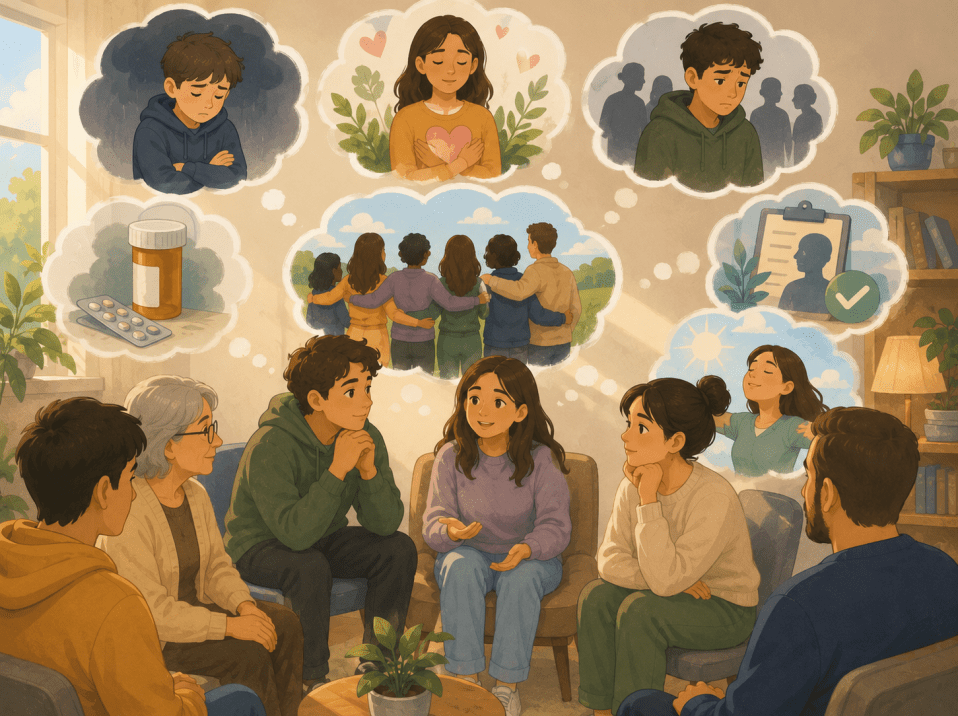
Mental health affects every part of life. It shapes how we think, feel, cope, work, connect with others and manage difficult times. Yet despite growing awareness, many harmful myths still surround mental health. These myths stop people from asking for help, increase shame, fuel stigma and make recovery harder than it needs to be.
For too long, mental health problems have been misunderstood. People have been told to “pull themselves together”, “stop being weak”, “think positive” or “just get over it”. Others have been judged, labelled, ignored or treated as though their struggles are not real. These attitudes can be deeply damaging.
The truth is that mental health problems are common, complex and treatable. Anxiety, depression, PTSD, addiction, trauma, grief, stress and other mental health conditions can affect anyone, regardless of age, background, job, income, gender or life experience. Mental health difficulties are not a sign of failure. They are part of being human.
Challenging mental health myths matters because stigma can be as painful as the illness itself. When people feel ashamed, they may hide their struggles. They may avoid counselling, delay speaking to a GP, turn to alcohol or drugs, withdraw from loved ones, or suffer in silence until things reach crisis point.
We need to talk honestly about mental health. We need to replace judgement with understanding, fear with compassion, and misinformation with facts. Below are some of the most common mental health myths that need to be challenged.
Myth 1: Mental Health Problems Are a Sign of Weakness
This is one of the most damaging myths of all. Many people still believe that struggling with mental health means someone is weak, fragile or unable to cope with life. This belief is completely wrong.
Mental health problems are not a character flaw. They are not caused by weakness, laziness or lack of willpower. They can be influenced by trauma, stress, genetics, brain chemistry, physical health, bereavement, abuse, poverty, isolation, workplace pressure, military service, relationship breakdown and many other life experiences.
In fact, many people who struggle with mental health show incredible strength every day. It takes strength to keep going while carrying anxiety, depression, PTSD or emotional pain. It takes courage to ask for help. It takes resilience to attend counselling, face difficult memories, rebuild confidence and work towards recovery.
Calling people weak only adds shame to suffering. We would not call someone weak for having a broken leg, asthma, diabetes or cancer. Mental health deserves the same compassion as physical health.
A more helpful message is this: struggling does not mean you are weak. It means you are human, and support is available.
Myth 2: You Can Tell When Someone Has a Mental Health Problem
Many people imagine that mental health problems are always visible. They think someone with depression will always look sad, someone with anxiety will always panic openly, or someone with PTSD will always appear distressed. But mental health struggles are often hidden.
A person may go to work, smile, care for their family, answer messages and appear completely fine while privately feeling overwhelmed. Some people become very skilled at masking their pain because they do not want to worry others or be judged.
High-functioning anxiety and depression can be particularly difficult to spot. Someone may look successful, organised and confident, yet inside they may feel exhausted, frightened or hopeless. They may push themselves harder and harder because they fear failure or rejection.
This is why we should never assume someone is fine just because they look fine. A smile does not always mean someone is coping. A busy life does not mean someone is well. A person can be struggling deeply and still appear strong.
The best approach is to create a culture where people feel safe to talk before things become unbearable. Instead of waiting for obvious signs, we can check in, listen properly and take people seriously when they say they are not okay.
Myth 3: Talking About Mental Health Makes Things Worse
Some people worry that talking about anxiety, depression, trauma or suicidal thoughts will make the problem worse. They may fear that asking someone how they feel will “put ideas in their head” or make them more distressed.
In reality, silence is often more dangerous than conversation. When people cannot talk about mental health, they may feel alone, ashamed and trapped. Talking can help reduce isolation and open the door to support.
A caring conversation does not have to be perfect. You do not need to have all the answers. You simply need to listen without judgement. Saying, “I’m here for you,” “You don’t have to face this alone,” or “Would you like help finding support?” can make a powerful difference.
Of course, conversations about mental health should be handled sensitively. It is important not to dismiss, minimise or rush someone. Avoid saying things like “others have it worse,” “just stay positive,” or “you’ll be fine.” These phrases may be well intended, but they can make someone feel unheard.
Talking about mental health does not make people weaker. It helps people feel seen. It can be the first step towards healing.
Myth 4: Counselling Is Only for People in Crisis
Many people believe counselling is only needed when someone is at breaking point. This myth stops people from seeking help early. They may tell themselves their problems are not serious enough, or that they should wait until things get worse.
Counselling is not only for crisis. It can help with anxiety, depression, grief, trauma, stress, relationship problems, low self-esteem, workplace pressure, family difficulties, addiction recovery and many other challenges.
Early support can prevent problems from becoming more serious. Just as we would rather treat a physical health issue early, mental health support works best when people can access it before they reach crisis point.
Counselling offers a safe, confidential space to talk, reflect and understand what is happening. It can help people identify patterns, process difficult experiences, learn coping strategies and rebuild confidence.
Seeking counselling does not mean you have failed. It means you are taking your mental health seriously.
Myth 5: Medication Is the Only Answer
Medication can be life-changing for many people. Antidepressants, anti-anxiety medication and other prescribed treatments can help reduce symptoms and support recovery. For some people, medication is an important part of staying well.
But medication is not the only answer, and it is not the right choice for everyone. Mental health support should be person-centred. Some people benefit from counselling, CBT, trauma therapy, peer support, exercise, mindfulness, addiction support, social connection, outdoor therapy, practical advice or a combination of approaches.
The best treatment depends on the person, their needs, their history and the severity of their symptoms. For some, medication helps them become stable enough to engage in therapy. For others, talking therapies and lifestyle changes may be enough. Some need long-term support, while others need short-term help during a difficult period.
The myth that there is only one solution is unhelpful. Mental health recovery is not one-size-fits-all. People deserve choices, professional guidance and support that treats them as individuals.
Myth 6: People With Mental Health Problems Are Dangerous
This myth has caused enormous harm. Media stories sometimes link mental illness with violence in ways that are misleading and unfair. The result is fear, discrimination and stigma against people who are already struggling.
Most people with mental health problems are not dangerous. In fact, people experiencing mental illness are often more likely to be vulnerable, isolated, misunderstood or at risk themselves.
When we label people as dangerous because of a diagnosis, we make it harder for them to seek help, find work, maintain relationships and feel part of society. Fear pushes people further into isolation.
Mental health conditions should never be used to define a person. Someone living with schizophrenia, bipolar disorder, PTSD, depression, anxiety or personality difficulties is still a person with hopes, feelings, strengths, relationships and rights.
We need to challenge fear-based language and replace it with understanding. People need support, not judgement.
Myth 7: Children and Young People Are Too Young to Have Mental Health Problems
Some adults believe childhood is carefree and that children cannot experience serious mental health difficulties. This is simply not true.
Children and young people can experience anxiety, depression, trauma, grief, eating difficulties, self-harm, panic, school refusal and suicidal thoughts. Their distress may look different from adult distress, but it is real.
A child may not say, “I am anxious” or “I feel depressed.” Instead, they may become withdrawn, angry, tearful, clingy, restless or physically unwell. They may struggle with sleep, school, friendships or concentration.
Young people today face many pressures, including exams, social media, bullying, family stress, poverty, identity issues and uncertainty about the future. Ignoring their mental health does not make problems disappear. It often allows them to grow.
Early intervention is vital. Children and young people need safe adults, accessible support, school-based understanding and services that listen before crisis develops.
Myth 8: Men Should Be Strong Enough to Cope Alone
The myth that men should hide their feelings has cost lives. Many boys and men are taught from a young age to be tough, stay silent and deal with problems alone. They may be told that crying is weak or that talking about emotions is not masculine.
This can lead men to bottle things up until they reach breaking point. Instead of asking for help, some may withdraw, become angry, overwork, use alcohol or drugs, or pretend everything is fine.
Strength is not silence. Real strength is being honest. It is recognising when you need support and taking steps to protect your health, your family and your future.
Men need spaces where they can talk without shame. They need services that understand male mental health, trauma, addiction, military culture, workplace stress and the pressure to appear strong.
No man should feel he has to suffer alone to prove he is strong.
Myth 9: PTSD Only Affects Veterans
Post-traumatic stress disorder is often associated with military service, and many veterans do live with PTSD. But PTSD can affect anyone who has experienced or witnessed trauma.
This may include survivors of abuse, violence, accidents, assault, domestic abuse, childhood trauma, medical trauma, sudden loss, emergency service work or other frightening experiences.
PTSD is not simply “bad memories.” It can involve flashbacks, nightmares, panic, emotional numbness, anger, avoidance, hypervigilance, guilt and feeling constantly unsafe. It can affect relationships, sleep, work and daily life.
Veterans with PTSD deserve specialist support, but so do all trauma survivors. The wider public must understand that trauma affects the mind and body. Healing takes time, safety and the right support.
Myth 10: Addiction Is Just Bad Behaviour
Addiction is often judged harshly. People may see it as selfishness, weakness or lack of discipline. But addiction is usually far more complex.
Many people use alcohol, drugs, gambling or other behaviours to cope with emotional pain, trauma, anxiety, depression or stress. What begins as a way to escape can become a cycle that feels impossible to break.
This does not mean people are not responsible for their recovery. But shame alone does not help people recover. Support, structure, compassion, boundaries and evidence-based help are much more effective than judgement.
Addiction and mental health are often closely linked. Treating one while ignoring the other can leave people stuck. This is why dual support for addiction and mental health is so important.
People do recover from addiction. But they need to be seen as human beings, not written off as lost causes.
Myth 11: If Someone Is Smiling, They Cannot Be Depressed
Depression does not always look like lying in bed crying. Some people with depression laugh, work, socialise and care for others. They may appear cheerful in public but collapse emotionally in private.
This is sometimes called masked depression. A person may hide their pain because they fear being judged or because they do not want to burden others. They may become the person everyone relies on, while secretly feeling empty or hopeless.
This myth is dangerous because it can cause people to miss warning signs. We must take people seriously when they say they are struggling, even if they do not look how we expect.
Depression is not always visible. Kindness, checking in and listening properly can make a real difference.
Myth 12: Recovery Means Never Struggling Again
Recovery is often misunderstood. Some people think recovery means being completely free from symptoms forever. But for many people, recovery is not a straight line.
Recovery may mean learning to manage anxiety, understanding triggers, building routines, reconnecting with others, returning to work, reducing harmful coping strategies or finding meaning after trauma. There may still be difficult days.
Relapse does not mean failure. Needing support again does not mean someone is back at the beginning. Mental health recovery often involves progress, setbacks and learning.
A more helpful way to understand recovery is this: recovery means building a life where mental health difficulties no longer have complete control.
Myth 13: Positive Thinking Can Fix Mental Health Problems
Positive thinking can be helpful in some situations, but it cannot cure mental illness on its own. Telling someone to “just think positive” can make them feel blamed for their suffering.
People with anxiety, depression, PTSD or trauma cannot simply switch off symptoms because someone tells them to be grateful. Mental health problems are not caused by a lack of positivity.
What helps is realistic hope. This means acknowledging pain while believing support and change are possible. It means saying, “This is hard, but you do not have to face it alone,” rather than pretending everything is fine.
People do not need forced positivity. They need compassion, understanding and practical support.
Myth 14: Mental Health Problems Only Affect Certain Types of People
Mental health problems can affect anyone. They affect children, adults, older people, veterans, parents, workers, carers, students, professionals, unemployed people, wealthy people and people living in poverty.
No community is immune. However, some people face greater risks because of trauma, discrimination, isolation, financial hardship, abuse, poor housing, unemployment or lack of access to support.
This myth is harmful because it creates distance. People may think, “That could never happen to me,” or “People like us don’t talk about mental health.” But mental health is everyone’s business.
The more we recognise this, the easier it becomes to build communities where people can ask for help without shame.
Myth 15: Asking for Help Is a Burden
Many people avoid asking for help because they do not want to worry others. They may believe their problems are too much, or that people will be better off if they keep quiet.
This belief can be dangerous. Humans are not meant to cope with everything alone. We all need support at different points in life.
Asking for help gives others the chance to care. It can also prevent problems from getting worse. Whether support comes from a friend, family member, counsellor, GP, support group or charity, reaching out is a positive step.
You are not a burden because you are struggling. You are a person who deserves support.
Challenging Myths Saves Lives
Mental health myths are not harmless. They shape how people are treated. They influence whether someone feels safe enough to talk. They affect whether people seek help early or wait until crisis.
When we challenge myths, we create safer communities. We make it easier for people to say, “I am struggling.” We help families understand each other. We reduce shame. We encourage early intervention. We remind people that recovery is possible.
Everyone has a part to play. We can challenge stigma in our homes, workplaces, schools, veteran communities, sports clubs, faith groups and online spaces. We can use respectful language. We can listen without judgement. We can support people to access professional help.
Mental health problems are real. They are common. They are treatable. And no one should be made to feel ashamed for struggling.
The more we challenge these myths, the more lives we can change.


Post a comment