


In recent years, the North East of England has witnessed a surge in the popularity of outdoor therapy, particularly among veterans and their families. This growing trend, as highlighted in a recent podcast by Anxious Minds, underscores the transformative power of nature in fostering mental and emotional well-being.
Natural settings offer a unique environment that complements traditional therapy methods. Being outdoors provides a refreshing escape from the pressures of daily life, allowing individuals to reconnect with their inner strength and find emotional balance. The serene landscapes of the North East, with their rolling hills and coastal paths, create an ideal backdrop for therapeutic experiences that nurture mental health.
The sense of community and care that outdoor therapy provides is particularly vital for veterans and their families. By blending nature with therapeutic support, these programmes offer a compassionate and accessible way to address mental health challenges. This approach not only strengthens emotional resilience but also fosters a deeper connection within the community.
Key Takeaways
- Natural environments enhance mental health and emotional well-being.
- Outdoor therapy provides a unique escape from daily pressures.
- The North East’s landscapes are ideal for therapeutic experiences.
- Community support is crucial for veterans and their families.
- Combining nature with therapy offers accessible mental health support.
What is Outdoor Therapy and How It Works
Nature has long been recognised as a powerful ally in promoting mental and emotional well-being. Outdoor therapy, a growing field, combines elements of nature with therapeutic practices to create a unique healing environment.
Understanding Nature-Based Therapy
Nature-based therapy involves using natural environments to facilitate healing and personal growth. Activities such as mindful walking, nature meditation, and horticultural practices are central to this approach. These practices encourage individuals to connect with their surroundings, fostering a sense of calm and clarity.
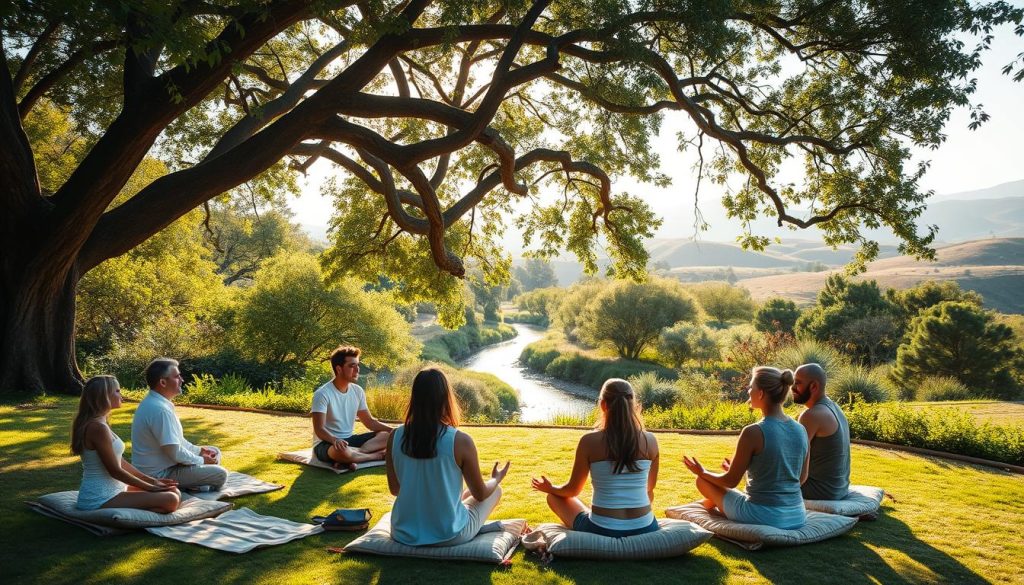
Research, including studies, highlights the benefits of nature exposure. Being in natural settings can lower stress levels, improve mood, and enhance overall mental health. These findings are supported by testimonials from participants in outdoor therapy programmes.
The Role of Natural Environments in Healing
Natural environments play a crucial role in the healing process. The serene landscapes of the North East, with their rolling hills and coastal paths, provide an ideal setting for therapeutic activities. These environments offer a refreshing alternative to traditional indoor therapy, allowing individuals to step away from the pressures of daily life.
Outdoor therapy complements conventional therapeutic methods by offering a unique and accessible form of mental health support. By integrating nature into the healing process, individuals can develop greater emotional resilience and a stronger connection to their community.
Outdoor Therapy for veterans and their families in the North East
The North East of England offers a unique blend of natural landscapes that have become integral to the mental health support for veterans and their families. These environments provide a serene backdrop for therapeutic activities, fostering emotional resilience and community connections.
Connecting with Local Natural Landscapes
Initiatives like the Defence Gardens Scheme have emerged, offering horticultural therapy and group-based activities that connect veterans with nature. These programmes are tailored to meet the unique mental health needs of participants, providing a sense of purpose and calm. The North East’s distinctive landscapes, from rolling hills to coastal paths, play a pivotal role in this therapeutic process.
“Being in nature helped me find peace I thought was lost,” shared one veteran, highlighting the profound impact of such experiences on depression and overall well-being.
Tailored Approaches for Veteran and Family Wellbeing
Structured group sessions and one-on-one support are central to these programmes, ensuring a personalised approach. Partnerships with mental health professionals and community organisations are crucial, delivering a holistic approach that values each veteran’s experience as an individual. This collaborative effort ensures therapy methods are both effective and meaningful.
- Group sessions foster a sense of community and shared experience.
- One-on-one support addresses individual needs and personal growth.
- Partnerships enhance the accessibility and effectiveness of health support.
By integrating nature into their healing journey, veterans and their families in the North East are finding new paths to emotional resilience and stronger community ties.
Integrating Mental and Physical Wellbeing through Nature
Nature plays a vital role in fostering both mental and physical health, offering a holistic approach to wellbeing. By combining mindfulness practices with physical activities, individuals can experience a profound sense of balance and renewal.
Mindfulness and Wilderness Therapy Practices
Mindfulness practices in natural settings help reduce stress and anxiety. Techniques such as mindful walking and nature meditation encourage individuals to stay present, calming the mind and uplifting the spirit. Wilderness therapy takes this a step further, using experiential learning to help veterans and their families confront challenges with renewed energy and confidence.
Benefits of Horticultural and Group Activities
Horticultural activities, such as gardening, not only boost physical health but also create a sense of belonging. Group activities foster social connections, increasing life satisfaction and emotional resilience. Programmes like the Defence Gardens Scheme demonstrate how these activities can measurably improve mental and emotional health.
Enhancing Resilience Through Experiential Learning
Experiential learning in nature helps veterans and their families build resilience. Structured programmes offer a mix of physical activity and mental calm, tailored to individual needs. This approach recognises the unique challenges each family faces, providing a supportive environment for growth and healing.
Anxious Minds Veteran Recovery College
Provides FREE outdoor therapy for veterans and their families for more infomation call 0191 308 4030
Conclusion
In conclusion, the North East’s natural landscapes have become a cornerstone for mental health support, offering a unique setting that fosters emotional resilience and community connections. Programmes like those supported by Walking With The Wounded exemplify the power of partnerships in enhancing wellbeing.
Outdoor activities, such as mindful walking and gardening, have shown to improve mental health by reducing stress and anxiety. These practices encourage individuals to stay present, promoting a sense of calm and clarity. Such initiatives not only support veterans but also their families, creating a holistic approach to healing.
Spending time in nature can significantly boost one’s sense of self and overall well-being. By reflecting on these benefits, individuals can find new paths to emotional resilience and stronger community ties. Every project and partnership in this field contributes to a broader mission of enhancing life quality through the simple yet profound connection with nature.
FAQ
What mental health support services are available for veterans in the North East?
Veterans in the North East can access a range of mental health support services, including group therapy sessions, one-to-one counselling, and community-based initiatives. These services are designed to address issues such as anxiety, depression, and stress, ensuring veterans receive the care they need.
How can nature and outdoor activities benefit mental health?
Nature and outdoor activities have been shown to reduce symptoms of anxiety and depression. Being in natural environments can lower stress levels, improve mood, and enhance overall wellbeing. These benefits are particularly valuable for veterans and their families seeking mental health support.
What role does the community play in supporting veterans’ mental health?
The community plays a vital role in providing emotional support and understanding. Local groups and partnerships help veterans and their families feel connected, reducing feelings of isolation and fostering a sense of belonging.
How can I get involved in mental health support initiatives for veterans?
You can get involved by volunteering with local mental health organisations, participating in fundraising events, or spreading awareness about the importance of mental health support for veterans and their families.
What research supports the effectiveness of nature-based interventions for mental health?
Research indicates that nature-based interventions can significantly improve mental health outcomes. Studies show reductions in stress levels, improved mood, and enhanced resilience among participants engaging in outdoor activities.
How can I access mental health support services if I’m experiencing anxiety or depression?
You can access mental health support services by contacting local health providers, community centres, or specialised veteran support organisations. Many services offer confidential advice and tailored support to meet individual needs.
What are the benefits of group therapy for veterans and their families?
Group therapy provides a safe space for veterans and their families to share experiences, build connections, and learn coping strategies. It fosters mutual support and understanding, helping participants navigate challenges together.
How can I find local mental health support groups in the North East?
You can find local mental health support groups by visiting community centres, contacting local councils, or searching online directories. Many organisations also offer online resources to help you connect with support networks in your area.
What are the key principles of effective mental health care for veterans?
Effective mental health care for veterans focuses on personalised support, timely interventions, and a holistic approach addressing both mental and physical wellbeing. It also emphasises the importance of community and partnership in the recovery process.
How can I support a family member or friend who is struggling with mental health issues?
You can support a family member or friend by listening without judgment, encouraging them to seek professional help, and helping them stay connected to their support network. Small acts of kindness and understanding can make a significant difference in their journey towards recovery.


Post a comment