


Struggling with racing thoughts at bedtime? You’re not alone. Research shows 1 in 5 adults experience heightened mental arousal that disrupts their rest patterns. This creates a self-perpetuating loop where worry fuels wakefulness, and exhaustion amplifies emotional strain the next day.
The connection between consistent rest and emotional resilience is undeniable. Studies reveal that 60% of individuals with heightened stress levels report difficulties maintaining regular nocturnal rhythms. Your brain uses downtime to process emotions – without it, coping mechanisms become strained.
Effective evening practises act as anchors for overactive minds. Simple adjustments to your wind-down routine can signal safety to your nervous system. Think dim lighting 90 minutes before bed, or swapping screen time for calming activities. These choices help break the cycle of mental hyperactivity that often accompanies modern life.
Key Takeaways
- Evening rest patterns directly impact next-day emotional regulation
- Heightened stress creates a reciprocal relationship with sleep disruption
- 20% of UK adults experience clinically significant anxiety symptoms
- Environmental cues strongly influence mental arousal levels
- Consistent pre-bed routines build neural associations with relaxation
This guide explores science-backed strategies to transform your nightly routine. You’ll discover how minor environmental tweaks and mindset shifts can create profound changes. From light exposure management to sensory modulation techniques, we’ll help you design a personalised path to calmer evenings.
Introduction to Sleep and Anxiety
When night falls, does your brain switch into overdrive? This heightened alertness isn’t just frustrating – it’s your body’s stress response hijacking your natural rhythms. Mental hyperarousal, characterised by relentless worry, keeps your nervous system primed for action when it should be winding down.
Understanding Anxiety’s Impact on Rest Patterns
Excessive fear activates your fight-or-flight system, releasing cortisol that disrupts melatonin production. Racing thoughts and muscle tension become physical barriers to drifting off. Those with anxiety disorders often experience “sleep reactivity” – their rest quality plummets during stressful periods compared to others.
Different conditions manifest uniquely. Generalised anxiety might involve hours of rumination, while panic disorders can trigger dread around bedtime itself. Your brain’s amygdala becomes hyperactive, interpreting rest as vulnerability rather than restoration.
Why Consistent Rest Supports Emotional Resilience
During deep rest phases, your mind processes emotional memories and regulates neurotransmitters. Without this reset, negative thoughts gain prominence. Chronic deprivation alters neural pathways, making you more susceptible to anxious spirals.
Recognising early signs – like taking over an hour to fall asleep – helps prevent entrenched patterns. Small adjustments now can stop temporary stress from becoming a persistent cycle affecting your health.
The Benefits of a Consistent Sleep Routine
Ever notice how unpredictable evenings can heighten tension? Sticking to regular patterns acts like a metronome for your body’s internal clock. When your circadian rhythm stays synchronised, it becomes easier to transition from alertness to restfulness – even during stressful periods.
Establishing Regular Bedtime Habits
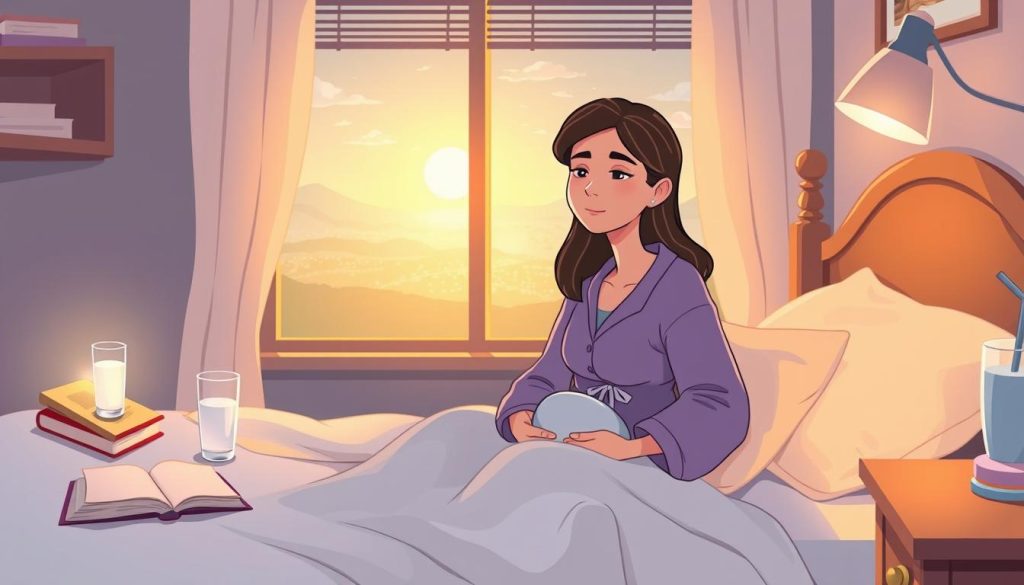
Fixed schedules train your brain to anticipate rest. Aim to rise and retire within the same 30-minute window daily – weekends included. This consistency strengthens natural melatonin release, making drowsiness feel automatic rather than forced.
Struggling with rigidity? Start with wake-up times first. Morning light exposure resets your biological clock more effectively than evening adjustments. Pair this with a calming pre-bed activity like herbal tea or light stretching to build associations.
Setting a Wind-Down Alarm for Relaxation
Create a 60-minute buffer before bed using an alarm labelled “unplug”. This signals your nervous system to shift gears. Dim overhead lights, switch devices to night mode, or try progressive muscle relaxation.
Perfection isn’t required – aim for 80% consistency. Missed a night? Simply reset the next day without self-criticism. Over time, these small efforts compound into measurable improvements in how quickly you drift off and stay asleep.
Sleep Hygiene Tips For Anxiety Sufferers
Transitioning from daytime alertness to evening calm requires deliberate preparation. Your evening rituals act as neurological signals, telling your body it’s safe to power down. Start this shift 90 minutes before getting under the covers – this buffer period helps separate daily stresses from rest preparation.

Practical Bedtime Strategies
Screen curfews matter more than you might realise. Devices emit wavelengths that delay melatonin release by up to three hours. Replace scrolling with analogue activities: try adult colouring books or organising tomorrow’s outfit. These tactile tasks occupy restless hands while quieting mental chatter.
Journaling proves particularly effective for racing minds. Spend ten minutes listing unresolved tasks or worries, then physically close the notebook. This action symbolically contains concerns, creating psychological permission to pause problem-solving until morning.
Incorporating Relaxation Techniques
Progressive muscle relaxation counters the physical tension that accompanies worry. Lie comfortably and systematically tense/release muscle groups from toes to forehead. Pair this with 4-7-8 breathing: inhale for four counts, hold for seven, exhale for eight.
Guided audio resources offer structured support. The NHS recommends apps like Sleepio for evidence-based wind-down exercises. Many find voice-led meditations more effective than silence when managing intrusive thoughts at night.
Creating the Ideal Sleep Environment
Your bedroom’s atmosphere acts as a silent partner in your quest for quality rest. Research indicates environmental factors account for 35% of variation in rest quality among those managing heightened stress. Tailoring these elements creates a sanctuary where your nervous system can finally switch off.
Optimising Your Bedroom for Rest
Complete darkness triggers melatonin production more effectively than dim lighting. Consider blackout curtains or thermal blinds if street lamps disrupt your space. Cover persistent LED glows from electronics with specialised tape – even small lights can delay drowsiness by 20 minutes.
Temperature plays a surprising role in rest quality. 18°C proves ideal for most people, but experiment within 16-20°C ranges. Layer breathable bedding rather than relying on heavy duvets – this lets you adjust easily if night sweats occur.
Minimising Distractions and Light
Ambient noise reduction proves vital for light sleepers. Try mouldable silicone earplugs (blocking 32 decibels) paired with a fan’s steady hum. “Sound masking works best when it’s consistent,” notes a University of Oxford study on environmental sleep aids.
Banish time-checking temptations by turning alarm clocks away from your bed. Charge devices in another room – their mere presence increases mental arousal by 14% according to recent data. If complete silence feels unnerving, try nature sound apps set to auto-off after 90 minutes.
Personalisation remains key. Track what combination of darkness, sound and temperature helps you drift off fastest. Some find weighted blankets calming, while others prefer cooling mattress toppers. Your perfect setup might take 2-3 weeks to identify, but the payoff in sustained rest makes the effort worthwhile.
Relaxation Techniques and Mindfulness Practices
When your mind feels like a crowded train station at night, mindfulness becomes your departure board. These evidence-based methods help create mental space between you and overwhelming feelings, making evenings feel less like battlegrounds.
Guided Meditation for a Calmer Mind
Voice-led sessions act as cognitive anchors during mental storms. The NHS-approved Sleepio app offers body scan exercises that systematically release tension from toes to scalp. One user reported:
“Focusing on physical sensations stops my thoughts spiralling about tomorrow’s meetings.”
Loving-kindness meditation proves particularly useful for those wrestling with self-criticism. Repeating phrases like “May I be peaceful” rewires neural pathways associated with stress responses. Studies show 12 minutes daily reduces nighttime rumination by 31% in adults.
Deep Breathing and Mindfulness Exercises
The 4-7-8 method acts as a biological dimmer switch. Exhaling longer than you inhale triggers your relaxation response within 90 seconds. Pair this with diaphragmatic breathing – imagine filling a balloon in your belly – to deepen effects.
Mindfulness teaches observational distance from worries. Instead of fighting thoughts about work deadlines, mentally note “planning” and return focus to your breath. This practice reduces emotional charge around concerns that feel urgent at night.
For physical tension, try progressive muscle relaxation while listening to rainfall sounds. Tense each muscle group for five seconds, then release. Many find this combined approach more effective than either technique alone for managing anxiety symptoms.
The Role of Diet and Exercise in Enhancing Sleep Quality
What you consume and how you move during daylight hours significantly influence evening calmness. Nutritional choices directly affect neurotransmitter production, while physical activity regulates stress hormones that impact rest patterns.
Timing Your Intake and Movement
Heavy meals within three hours of bedtime force your digestive system into overtime. This can cause discomfort and elevate core temperature – two factors delaying drowsiness. Opt for lighter evening snacks like oatcakes with almond butter if hunger strikes.
Caffeine lingers in your system for up to eight hours. That 3pm latte might still affect you at 11pm. Switch to rooibos tea or warm malt drinks after lunch. Similarly, while alcohol initially sedates, it disrupts REM cycles later in the night.
- Nicotine: Increases heart rate for 90+ minutes
- Dark chocolate: Contains stimulants equivalent to ¼ espresso
- Energy drinks: Combine caffeine with anxiety-triggering taurine
Regular movement helps dissipate nervous energy. A 20-minute afternoon walk improves deep rest duration by 12% in clinical trials. However, intense workouts within 90 minutes of bedtime elevate cortisol levels – stick to gentle yoga or stretching after dusk.
“Moderate exercise acts as a natural anxiety buffer, but timing determines its impact on rest quality.”
Incorporate magnesium-rich foods like spinach and pumpkin seeds into evening meals. These nutrients support muscle relaxation and GABA production – your brain’s natural calming agent. Pair with complex carbs to aid tryptophan absorption for better melatonin synthesis.
Conclusion
Navigating the challenges of persistent worry and restlessness doesn’t have to be a solitary journey. Anxiety disorders rank among the most treatable mental health conditions when addressed through evidence-based approaches. From Cognitive Behavioural Therapy to tailored medication plans, numerous solutions exist beyond self-managed strategies.
If nightly struggles persist, consulting a GP or specialist can help identify personalised treatment options. Many find combining clinical support with the practical techniques discussed – consistent routines, sensory-friendly environments and mindfulness exercises – creates lasting improvements in both emotional wellbeing and rest patterns.
Remember: small, sustainable changes often yield greater results than drastic overhauls. Whether adjusting your evening schedule or exploring therapeutic interventions, every step towards balance matters. Your journey to calmer nights begins with recognising that support exists and progress remains achievable.


Post a comment