
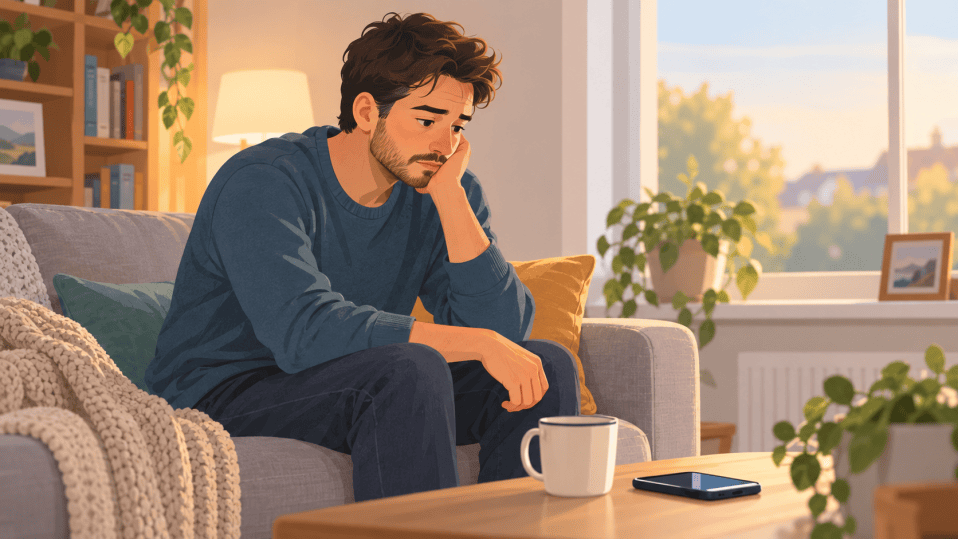
When someone begins to struggle with their mental health, they may gradually withdraw from the people and activities that once brought them happiness. Understanding why this happens is an important step towards recognising the signs and offering meaningful support.
When someone’s mental health deteriorates, one of the first changes others may notice is that they start to withdraw. They might stop answering messages, cancel plans, avoid social situations or spend increasing amounts of time alone.
To friends and family, this behaviour can be confusing. Someone who was previously sociable, affectionate and involved in everyday life may suddenly seem distant, uninterested or difficult to reach.
However, withdrawing from others is rarely as simple as not wanting to spend time with them.
For many people experiencing anxiety, depression, trauma or emotional exhaustion, social interaction can become overwhelming. Activities that once felt enjoyable may begin to require more emotional energy than they have available.
At Anxious Minds, we understand how mental health difficulties can affect relationships, confidence and the ability to participate in everyday life.
Social withdrawal isn’t always a sign that someone wants to be alone. Sometimes, it’s a sign that they’re struggling and don’t know how to ask for help.
In this article, we explore why people withdraw when their mental health deteriorates, how to recognise the warning signs and what can help someone begin reconnecting with others.
What Is Social Withdrawal?
Social withdrawal is when someone reduces their interactions with other people, avoids social activities or becomes increasingly isolated.
It can involve changes in how a person communicates, maintains relationships or participates in everyday life.
For example, someone experiencing social withdrawal might stop attending family gatherings, avoid speaking to colleagues, lose interest in hobbies or ignore messages from people they care about.
It’s important to recognise that enjoying time alone is not necessarily a problem. Everyone has different social needs, and solitude can provide valuable opportunities for rest and reflection.
The concern arises when withdrawal represents a significant change in someone’s usual behaviour, is driven by emotional distress or begins to negatively affect their wellbeing.
Social withdrawal can be associated with several mental health difficulties, including depression, anxiety disorders, post-traumatic stress disorder (PTSD) and prolonged stress.
Although isolation may provide temporary relief from overwhelming situations, prolonged disconnection can sometimes make existing mental health difficulties worse.
1. Depression Can Make Socialising Feel Exhausting

One of the most common reasons people withdraw is that depression can significantly reduce their emotional and physical energy.
Depression isn’t simply feeling sad. It can affect motivation, concentration, sleep, appetite and the ability to experience pleasure.
Someone experiencing depression may desperately want to see their friends but feel unable to find the energy to get dressed, leave the house or maintain a conversation.
Even responding to a simple message can feel like an enormous task.
Depression can also cause people to lose interest in activities they previously enjoyed, a symptom known as anhedonia.
Someone who once loved meeting friends, playing sports or spending time with family may no longer experience the same enjoyment.
Unfortunately, this can create a difficult cycle. The person withdraws because they’re depressed, but losing regular contact and enjoyable activities may contribute to further feelings of loneliness and low mood.
Understanding this connection is important because withdrawal is not necessarily a deliberate rejection of other people. It may be a symptom of the difficulties someone is experiencing.
2. Anxiety Makes Social Situations Feel Overwhelming
Anxiety can cause people to become increasingly concerned about how others perceive them.
They might worry about saying the wrong thing, embarrassing themselves, being judged or struggling to cope in social situations.
For someone with social anxiety, even relatively ordinary interactions can trigger intense fear and physical symptoms such as a racing heart, sweating, trembling or nausea.
Other anxiety difficulties can also lead to withdrawal.
Someone experiencing generalised anxiety disorder may feel constantly overwhelmed by everyday worries and find social commitments difficult to manage.
A person experiencing panic attacks may begin avoiding places where they fear another attack could occur.
Over time, avoiding uncomfortable situations can provide temporary relief, making withdrawal feel like the safest option.
However, continued avoidance can sometimes reinforce anxiety by reducing opportunities to discover that feared situations may be manageable.
With appropriate professional support and gradual steps, people can learn to manage anxiety and regain confidence in social situations.
3. Emotional Exhaustion Leaves Little Energy for Relationships
When someone has been dealing with prolonged stress, emotional difficulties or demanding responsibilities, they may reach a point where maintaining relationships feels overwhelming.
Emotional exhaustion can affect people who are experiencing difficulties at work, caring for relatives, managing financial pressures or coping with challenging personal circumstances.
It can also occur when someone has spent a long time concealing their mental health difficulties.
They may have been putting on a brave face, reassuring others that they’re fine and continuing to meet everyone’s expectations while privately struggling.
Eventually, even enjoyable social activities may feel like additional responsibilities.
A person might stop answering the telephone, avoid conversations or cancel plans simply because they don’t have the emotional energy to engage.
This doesn’t mean that they no longer value their relationships.
It may mean that they’re struggling to balance their emotional needs with the expectations they feel others have of them.
4. Feelings of Shame and Being a Burden
Mental health difficulties can affect how people view themselves and their relationships.
Someone experiencing depression or anxiety may begin to believe that they’re letting others down, becoming difficult to be around or placing an unfair burden on the people they love.
These beliefs can be particularly distressing because they may feel completely convincing, even when friends and family would genuinely welcome the opportunity to provide support.
A person might avoid contacting others because they don’t want to talk about their problems or feel guilty that they can’t contribute positively to a conversation.
They may also worry that explaining their mental health difficulties will change how others perceive them.
Mental health stigma can reinforce these fears, particularly in environments where people feel pressured to appear strong, independent or constantly capable.
As a result, someone may distance themselves from the very people who could offer understanding and reassurance.
Feeling like a burden does not mean you are one. Everyone deserves compassion, connection and support during difficult periods.
5. Trauma Can Make It Difficult to Trust Others

People who have experienced trauma may withdraw because relationships and social situations no longer feel emotionally safe.
Traumatic experiences can affect a person’s sense of security, confidence and ability to trust others.
For someone living with PTSD or trauma-related difficulties, particular environments, conversations or situations may trigger distressing memories or feelings.
They may avoid places associated with their experiences, distance themselves from people or feel uncomfortable in busy social environments.
Some people also experience emotional numbness or detachment, making it difficult to connect with others or express affection.
This can be confusing for partners, friends and family members who may interpret the withdrawal as a lack of interest or commitment.
In reality, withdrawing may be an attempt to protect themselves from situations that feel threatening or emotionally overwhelming.
Trauma-informed counselling and appropriate specialist support can help people understand these responses and gradually rebuild their sense of safety.
6. Low Self-Esteem Can Lead to Avoidance
When someone’s mental health deteriorates, their self-esteem may also suffer.
They might become increasingly critical of themselves, focus on perceived failures or compare their lives unfavourably with those of other people.
Social media can sometimes intensify these feelings by presenting carefully selected images of happiness, success and fulfilling relationships.
Someone struggling with their mental health may look at other people’s experiences and feel that they’re falling behind or failing to meet expectations.
They may begin avoiding social situations because they feel they have nothing positive to contribute.
Over time, these negative beliefs can become increasingly difficult to challenge, particularly when isolation reduces opportunities for reassurance and positive experiences.
Counselling can provide a supportive environment to explore these beliefs, develop self-compassion and rebuild confidence.
7. Sometimes People Simply Don’t Know How to Explain What They’re Feeling
One of the most overlooked reasons for social withdrawal is that people may struggle to understand or communicate their own emotions.
They might know that something feels wrong without being able to identify exactly what they’re experiencing.
When friends or relatives ask how they’re doing, the question itself can become overwhelming.
Explaining that you’re experiencing persistent anxiety, sadness, emotional numbness or a sense of hopelessness can be difficult, particularly if you’re worried about how others will respond.
For some people, avoiding conversations feels easier than trying to explain feelings they don’t fully understand.
Others may believe that they should resolve their problems independently before reconnecting with friends and family.
Unfortunately, this can leave them increasingly isolated at a time when support may be especially valuable.
It can help to remember that you don’t need to have a diagnosis or understand every aspect of your emotions before asking someone for help.
Recognising the Warning Signs of Mental Health Withdrawal

Reduced communication
Taking longer to reply to messages, ignoring telephone calls or gradually losing contact with friends and family.

Avoiding social activities
Frequently cancelling plans, making excuses not to attend gatherings or withdrawing from activities they previously enjoyed.

Changes in personality or behaviour
Appearing unusually quiet, irritable, distracted or emotionally distant.

Losing interest in everyday life
Stepping away from hobbies, personal responsibilities or activities that normally provide enjoyment.
These signs do not automatically mean that someone has a mental health condition. However, when several changes occur together or persist over time, they may indicate that additional support is needed.
How Social Isolation Can Make Mental Health Worse
Although withdrawing may initially feel protective, prolonged social isolation can have consequences for emotional wellbeing.
Regular human connection can provide reassurance, practical assistance, companionship and a sense of belonging.
When people become isolated, they may lose access to these protective sources of support.
They may also spend more time focusing on negative thoughts or worrying about their circumstances without the benefit of another person’s perspective.
For someone experiencing depression, isolation may reinforce feelings of worthlessness or hopelessness.
For someone experiencing anxiety, avoiding social situations may make the prospect of reconnecting feel increasingly intimidating.
This can create a cycle in which deteriorating mental health leads to withdrawal, and withdrawal contributes to further emotional difficulties.
Breaking this cycle doesn’t necessarily require dramatic changes. Small, manageable steps towards connection can be an important part of recovery.
How to Support Someone Who Is Withdrawing
If someone you care about has become increasingly withdrawn, it’s important to approach them with patience and compassion.
Try not to interpret their behaviour as a personal rejection or assume that they no longer value your relationship.
Instead, gently acknowledge the changes you’ve noticed and let them know that you’re available if they want to talk.
Avoid pressuring them to attend social activities or demanding explanations for their behaviour.
You could offer practical support, such as meeting for a short walk, helping with everyday responsibilities or simply spending time together without expecting a lengthy conversation.
Maintaining occasional, supportive contact can remind someone that they haven’t been forgotten, even if they’re not ready to respond.
If you’re concerned that their mental health is deteriorating, encourage them to speak to their GP or consider professional counselling.
If you think they may be at risk of suicide or self-harm, it’s appropriate to ask directly and calmly about your concerns and help them access urgent support.
You don’t need to have all the answers to make a positive difference.
How to Reconnect When You’re Struggling with Your Mental Health
If you’ve been withdrawing from the people around you, try not to judge yourself for finding relationships or social situations difficult.
Recovery isn’t about forcing yourself to return immediately to your previous routine. It’s about finding manageable ways to rebuild confidence and connection.
You might begin by replying to one message, arranging a short conversation with someone you trust or spending a little time outside your home.
Consider activities that offer opportunities for connection without requiring intense social interaction, such as walking groups, community activities or peer support groups.
It can also help to be honest about your circumstances. Letting someone know that you’ve been struggling may reduce the pressure to pretend that everything is fine.
If anxiety, depression or other mental health difficulties are affecting your ability to participate in everyday life, professional counselling can help you explore the underlying causes and develop coping strategies.
Remember that progress doesn’t have to be immediate or consistent. Some days may feel easier than others, and taking small steps is still worthwhile.
How Anxious Minds Can Help
At Anxious Minds, we recognise that social withdrawal can be both a consequence of mental health difficulties and a barrier to accessing the support people need.
Our North East mental health charity provides compassionate, person-centred services for people experiencing anxiety, depression, trauma, loneliness and other emotional challenges.
Through professional counselling, recovery support, peer groups and community-based services, we help people explore their difficulties, rebuild confidence and develop meaningful connections.
We also provide specialist support for veterans and their families, recognising the particular challenges that can arise when adjusting to life after military service or managing service-related mental health difficulties.
Our approach is based on understanding each person’s individual circumstances and providing support without judgement.
You don’t need to be at crisis point, have a formal diagnosis or know exactly what to say before reaching out.
Whether you’re beginning to withdraw from others or have been feeling isolated for a long time, support is available.
You don’t have to face your mental health difficulties alone, and reconnecting with others can begin with one small step.
Visit www.anxiousminds.co.uk to learn more about our mental health services and how we can support you.
If you need urgent mental health help in England, contact NHS 111 and select the mental health option. If you or someone else is in immediate danger, call 999 or attend your nearest A&E.


Post a comment