

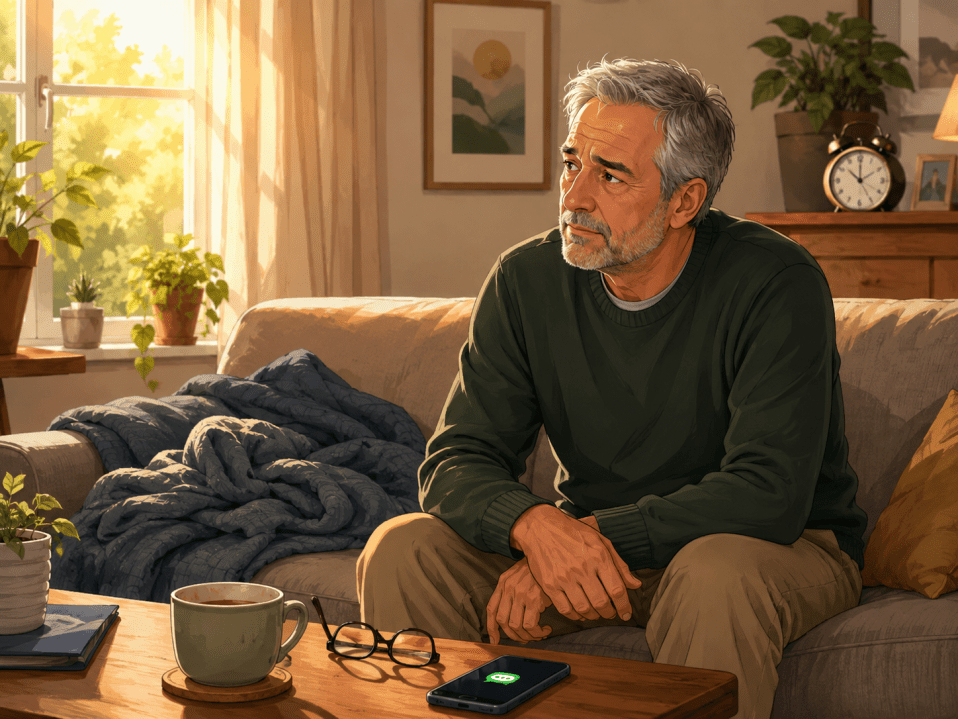
Mental health can change slowly. Sometimes the signs are obvious, such as panic attacks, feeling unable to cope, or having thoughts of harming yourself. But often, poor mental health builds quietly. You may not notice it straight away. You may tell yourself you are just tired, stressed, busy, or having a bad week.
Many people keep going for a long time while struggling inside. They continue working, caring for others, attending appointments, replying to messages, and doing what is expected of them. From the outside, they may seem fine. Inside, they may feel overwhelmed, numb, anxious, low, angry, or exhausted.
Recognising the early signs that your mental health may be getting worse can help you get support before things reach crisis point. You do not need to wait until you completely break down before asking for help. If you notice changes in your mood, behaviour, sleep, relationships, or ability to cope, it may be time to slow down and pay attention.
Here are 10 signs your mental health may be getting worse.
1. You Feel Tired All the Time
Everyone feels tired sometimes, especially during busy or stressful periods. But when your mental health is getting worse, tiredness can feel different. It may feel heavy, constant, and difficult to shake, even after rest.
You may wake up feeling exhausted. Small tasks may feel like too much effort. You may struggle to concentrate, move slowly, or feel drained by conversations. You might find yourself needing more sleep than usual, or you may feel tired but unable to sleep properly.
Emotional stress uses energy. Anxiety, depression, trauma, grief, and burnout can all leave the body feeling worn out. When your mind is constantly worrying, overthinking, masking, or trying to cope, it can affect your physical energy.
If you are always tired and it is affecting daily life, do not ignore it. It may be your body’s way of telling you that something needs attention.
2. Your Sleep Has Changed
Sleep is often one of the first things affected when mental health begins to decline. You may find it harder to fall asleep, wake during the night, have nightmares, wake too early, or feel restless even when you are in bed.
Some people sleep more when their mental health worsens. They may use sleep to escape difficult feelings, or they may feel so emotionally exhausted that they spend long periods in bed. Others sleep less because their mind will not switch off.
Poor sleep can make mental health worse. It can increase anxiety, low mood, irritability, and difficulty coping. This can create a cycle: you feel worse, so you sleep badly; then lack of sleep makes everything harder the next day.
If your sleep pattern has changed for more than a few days or weeks, it is worth taking seriously. You may not be “just tired”. You may be under more emotional pressure than you realise.
3. You Are Withdrawing From People
When mental health is getting worse, many people start to pull away from others. You may stop replying to messages, avoid phone calls, cancel plans, miss appointments, or feel unable to face people.
You may tell yourself you are just busy or need space. Sometimes space is healthy. But if you are avoiding people because you feel low, anxious, ashamed, overwhelmed, or like a burden, it may be a warning sign.
Isolation can make mental health problems worse. When you are alone with your thoughts for too long, worries can grow. You may start believing that no one cares, that people would not understand, or that you are better off keeping everything to yourself.
You do not have to tell everyone everything. But staying connected to at least one trusted person can make a real difference. A simple message like, “I’m struggling a bit but I’m still here,” can be a powerful first step.
4. Everyday Tasks Feel Overwhelming
Another sign your mental health may be getting worse is when everyday tasks start to feel much harder than usual.
You may struggle to shower, cook, clean, open letters, answer emails, go shopping, attend work, or keep up with responsibilities. You may look at a simple task and feel completely overwhelmed.
This can bring a lot of shame. You may think, “Why can’t I just do this?” or “What is wrong with me?” But struggling with everyday tasks is not laziness. It can be a sign that your emotional load is too heavy.
Depression can reduce motivation and energy. Anxiety can make decisions feel impossible. Trauma can keep the body on high alert. Burnout can make even small demands feel unbearable.
If daily life feels harder than usual, try breaking tasks into very small steps. Instead of “clean the house,” start with “put one cup in the sink.” Instead of “sort everything out,” start with “write down one thing I need to do.” Small steps still count.
5. You Feel More Irritable or Angry
Poor mental health does not always look like sadness. Sometimes it shows up as anger, frustration, impatience, or irritability.
You may snap at people, feel easily annoyed, lose your temper more quickly, or feel constantly wound up. Small things may feel like big problems. Noise, messages, traffic, interruptions, or other people’s needs may feel unbearable.
Anger can sometimes be a surface emotion. Underneath it may be stress, fear, sadness, grief, shame, exhaustion, or feeling out of control. This does not excuse hurtful behaviour, but it can help explain why your reactions may feel stronger than usual.
If you notice you are becoming more irritable, it may be a sign that your nervous system is overloaded. You may need rest, support, boundaries, or space to talk about what is really going on.
6. You Are Losing Interest in Things
A loss of interest or enjoyment can be a sign of depression, burnout, grief, or emotional exhaustion. You may stop caring about hobbies, social activities, work, exercise, food, music, relationships, or things that used to matter to you.
You may still do some things, but they feel flat or empty. You may think, “I should enjoy this, but I don’t.” You may feel disconnected from life, as though you are going through the motions.
This can be frightening because people often link their identity to what they enjoy. If you no longer feel interested in things, you may worry that you are losing yourself.
Try not to blame yourself. Loss of interest is a common sign that your mental health needs care. You may need support, rest, connection, or help understanding what has changed.
Sometimes, gently returning to small activities can help. You do not have to enjoy them immediately. The aim may simply be to reconnect with life in small ways.
7. You Are Using Unhealthy Ways to Cope
When people are struggling, they often look for ways to escape, numb, or control difficult feelings. Some coping strategies may seem helpful at first but can become harmful over time.
This might include drinking more alcohol, using drugs, gambling, overeating, not eating enough, spending too much money, overworking, constantly scrolling, isolating, taking risks, or avoiding responsibilities.
These behaviours often happen for a reason. They may be attempts to manage anxiety, sadness, trauma, boredom, loneliness, or stress. But they can also create new problems and make mental health worse.
For example, alcohol may help you feel calmer for a short time, but it can worsen sleep, mood, anxiety, and relationships. Avoiding bills or messages may reduce stress in the moment, but the pressure usually grows later.
If you notice you are relying on something more and more to get through the day, it may be time to seek support. The question is not, “Why am I failing?” The question is, “What am I trying to cope with, and what healthier help do I need?”
8. Your Thoughts Feel More Negative or Hopeless
Everyone has negative thoughts sometimes. But when mental health is worsening, negative thoughts can become more frequent, intense, and convincing.
You may think:
“I’m useless.”
“Nothing will get better.”
“I can’t cope.”
“I’m letting everyone down.”
“No one cares.”
“I’m a burden.”
“There’s no point.”
These thoughts can feel like facts, but they are often symptoms of distress. Anxiety, depression, trauma, and burnout can change the way your mind interprets life. They can make problems feel permanent, personal, and impossible.
Hopeless thoughts should be taken seriously, especially if they include thoughts of death, self-harm, or suicide. If you feel unable to stay safe, seek urgent help immediately by calling 999, going to A&E, contacting NHS 111, or reaching out to a crisis support service.
You deserve support before things become unbearable.
9. You Feel Disconnected or Numb
Sometimes worsening mental health does not feel like intense emotion. It can feel like no emotion at all.
You may feel numb, empty, detached, or disconnected from yourself and others. You may feel like you are watching life happen rather than taking part in it. You may struggle to cry, laugh, or feel close to people. You may feel as though nothing matters.
Numbness can be the mind’s way of protecting you from feelings that feel too much. It can happen with depression, trauma, grief, chronic stress, and burnout.
Although numbness may feel safer than pain, it can become lonely and frightening. People around you may not realise how much you are struggling because you may appear calm or quiet.
If you feel emotionally numb, try not to judge yourself. It does not mean you do not care. It may mean you have been overwhelmed for too long and need support to reconnect gently.
10. You Feel Unable to Cope or Stay Safe
One of the clearest signs that your mental health is getting worse is feeling unable to cope. You may feel overwhelmed by daily life, frightened by your thoughts, unable to calm down, or worried about what you might do.
You may have thoughts of harming yourself, ending your life, disappearing, or not wanting to wake up. You may feel like people would be better off without you. You may feel trapped and unable to see another way forward.
These thoughts are serious, and you should not face them alone.
If you are in immediate danger or feel unable to stay safe, call 999 or go to A&E. If you need urgent mental health help but it is not a life-threatening emergency, contact NHS 111. You can also call Samaritans on 116 123 for free, day or night, if you need someone to talk to.
Asking for help in a crisis is not weakness. It is a lifesaving step.
What to Do If You Notice These Signs
If you recognise yourself in several of these signs, try not to panic or criticise yourself. These signs do not mean you have failed. They mean something needs care and attention.
Start by telling someone you trust. You might say, “I haven’t been feeling myself lately,” or “I think my mental health is getting worse,” or “I need some support.” You do not have to explain everything perfectly.
It can also help to speak to your GP, a counsellor, a mental health charity, a support worker, or a helpline. Professional support can help you understand what is happening and what steps may help.
Try to focus on small basics: sleep, food, water, movement, fresh air, connection, and routine. These do not solve everything, but they can support your body and mind while you seek help.
Avoid dealing with everything alone. Mental health struggles often grow in silence. Support can help you feel less trapped.
How to Support Someone Else
If you notice these signs in someone you care about, check in with them gently. Do not wait until they ask for help. Many people struggling with mental health find it hard to reach out.
You might say, “I’ve noticed you don’t seem yourself lately. I’m here if you want to talk.” Or, “You don’t have to go through this on your own.”
Listen without judgement. Avoid saying things like “just think positive” or “everyone gets stressed.” Instead, acknowledge what they are feeling and encourage them to seek support if needed.
If you think they may be at risk of harming themselves, ask directly: “Are you thinking about suicide?” This can feel difficult, but asking does not put the idea into someone’s head. It can help them feel less alone and open the door to urgent support.
If there is immediate danger, call 999.
Final Thoughts
Mental health does not usually worsen overnight. Often, the signs build slowly: poor sleep, tiredness, withdrawal, irritability, low motivation, unhealthy coping, negative thoughts, numbness, or feeling unable to manage daily life.
Recognising these signs early can help you take action before things reach crisis point. You do not need to wait until you are completely overwhelmed to ask for help. You do not need to prove that you are struggling enough.
Your mental health matters. If something feels wrong, it is worth paying attention. Speak to someone. Take one small step. Reach out for support.
Getting help is not a failure. It is a sign that you are choosing to take care of yourself, even when things feel hard.


Post a comment